wayground logo

Free Printable Worksheets

Font size

S
M
L
XL
Worksheets

Physical Science Test 3 Review

Total questions: 125

Worksheet time: 4hrs 10mins

Name
Class
Date
1.

Waves move ___ through vibrations

a)

Energy

b)

Matter

c)

Mass

d)

Weight

2.

The highest part of the wave is the...

a)

Crest

b)

Trough

c)

Amplitude

d)

Wavelength

3.

The lowest part of a wave is the...

a)

Crest

b)

Trough

c)

Amplitude

d)

Wavelength

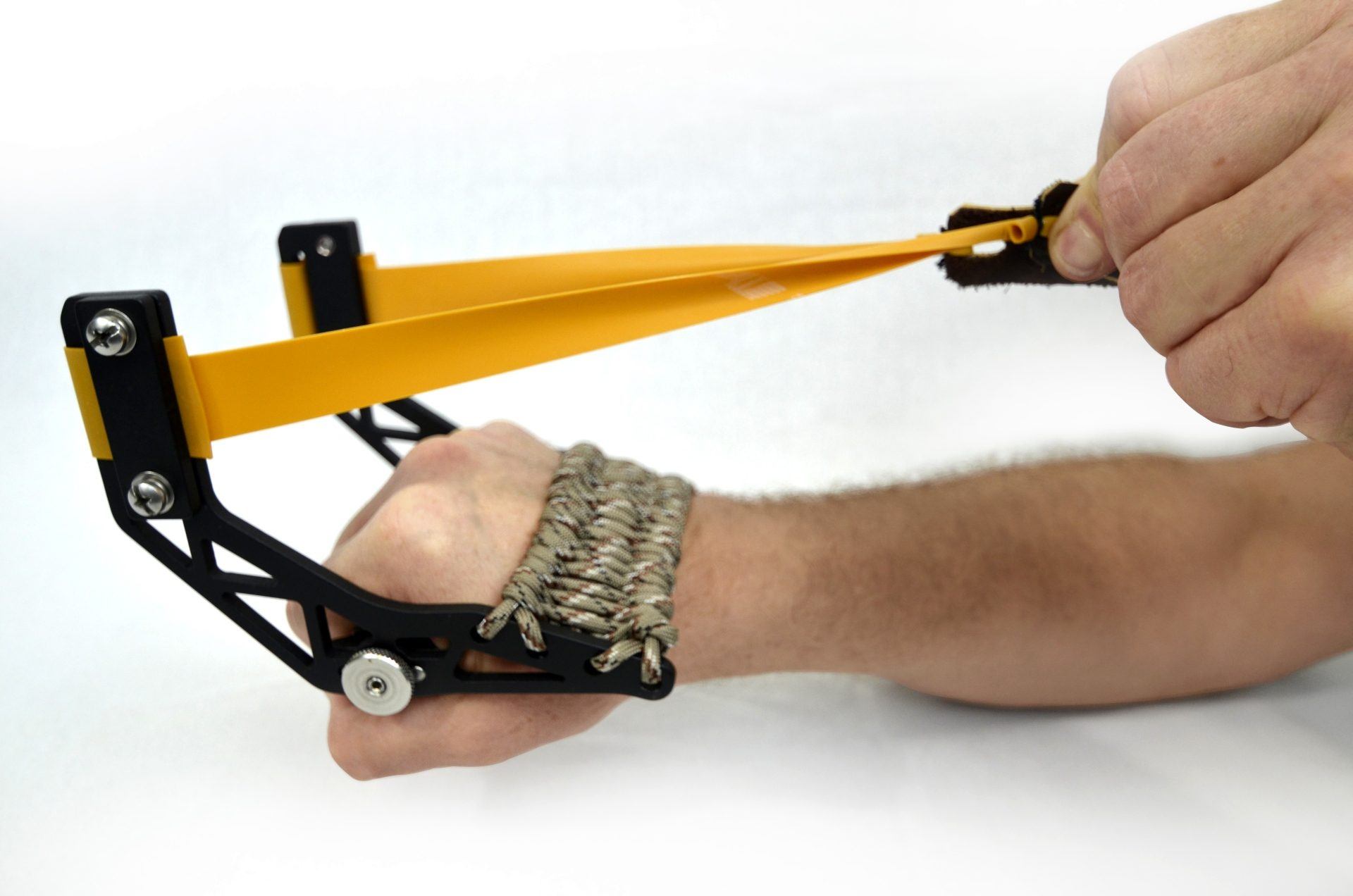
4.

The height of the wave is the...

a)

Crest

b)

Resting Point

c)

Wavelength

d)

Amplitude

5.
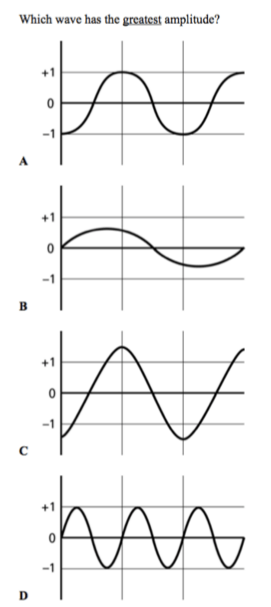
Which wave has the greatest amplitude?
a)
A
b)
B
c)
C
d)
D
6.

The distance from crest to crest or the distance from trough to trough is...

a)

Trough

b)

Crest

c)

Wavelength

d)

Amplitude

7.
The frequency of a wave is measured in __________________. 
a)
inches
b)
hertz
c)
periods
d)
eras
8.
If the frequency gets higher, the wavelength gets 
a)
longer
b)
shorter
9.
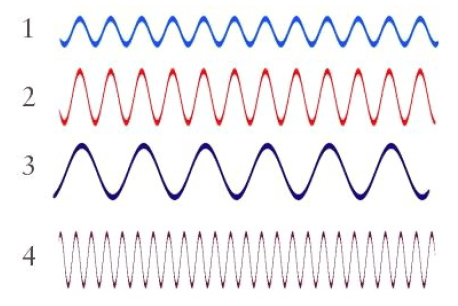
Which wave in the diagram has the greatest frequency?
a)
1
b)
2
c)
3
d)
4
10.
If the wavelength gets longer, the frequency gets 
a)
higher
b)
lower
11.
Is refracting light bending or bouncing?
a)
bending
b)
bouncing
12.
Rainbows are ______ light.
a)
Refracting
b)
Reflecting
c)
Diffracting
d)
Absorbing
13.
Any material that a wave travels through is called a ____________________.
a)
vibration
b)
compression
c)
medium
d)
crest
14.

In a longitudinal wave, the parts where the particles are close together are called what?

a)

Transverse

b)

Longitudinal

15.

In what type of wave does the medium move perpendicular to the movement of the wave?

a)

Transverse

b)

Longitudinal

16.

In longitudinal waves, the parts where the particles are close together (X) are called what

a)

Compressions

b)

Rarefactions

17.

In longitudinal waves, the parts where the particles are spread apart (Y) are called what

a)

Compressions

b)

Rarefactions

18.
Which travels faster, light or sound?
a)
light
b)
sound
19.
Sound travels fastest in:
a)
solids
b)
liquids
c)
gases
20.

Which EM wave has the highest frequency?

a)

radio

b)

xray

c)

gamma

d)

infrared

21.
Which EM wave has the longest wavelength?
a)
light
b)
radio
c)
ultraviolet
d)
red
22.
Which color has the highest frequency?
a)
blue
b)
yellow
c)
orange
d)
violet
23.

If a wave has a velocity of 320 m/s with a wavelength of 80 m, what is the wave's frequency?

a)

4 hertz

b)

.25 hertz

c)

400 hertz

24.

A wave with a 1.2 m wavelength has a frequency of 210 hertz. What is the velocity of the wave?

a)

175 m/s

b)

252 hertz

c)

252 m/s

25.

What is the velocity of a wave that has a wavelength of 3.0 m and a frequency of 120 hertz?

a)

40 m/s

b)

360 m/s

c)

0.025 hertz

26.

Two transverse waves overlap. Crests overlap with crests. Troughs overlap with troughs. The result is...

a)

constructive interference

b)

destructive interference

27.

Two transverse waves overlap. Crests overlap with troughs. Troughs overlap with crests. The result is...

a)

constructive interference

b)

destructive interference

28.
All waves carry
a)
energy
b)
light 
c)
matter
d)
particles
29.
Light bending as it passes from one medium (object) to another is...
a)
Refraction
b)
Reflection
30.
Light bouncing off a mirror is an example of...
a)
Refraction
b)
Reflection
31.

This picture shows the _________ because the waves are shorter and have a higher frequency as the object moves towards another object

a)

reflection

b)

refraction

c)

diffraction

d)

Doppler effect

32.

This picture shows the Doppler effect. Which way is the object moving? (Hint: Where are the lines bunched together?)

a)

up

b)

down

c)

left

d)

right

33.
What is the efficiency of the machine if the input is 263 J and the output is 142 J? 
a)
6.26%
b)
54%
c)
100%
d)
260%
34.
What is the efficiency of a machine if 55.3 J of work are done on the machine, but only 14.3 J is produced by the 1machine?
a)
0.25 J
b)
26%
c)
386%
d)
3.86 J
35.

Using a lever, Joe is able to apply 1000 N of force to lift a 10,000 N car off of the ground. What is the mechanical advantage of the lever?

a)

1

b)

10

c)

100

d)

1000

36.

If the weight of the block on a pulley system is 10N, how much force does a person have to apply to the pulley if it has a mechanical advantage of 2?

a)

2N

b)

5N

c)

10N

d)

15N

37.
True or False: No machine is 100 % efficient.
a)
True
b)
False
38.

A wheelbarrow has an effort arm 120 cm long and a load arm 40 cm long. What is its mechanical advantage?

a)

3

b)

30

c)

0.25

d)

0.33

39.

To lift a load 5 cm with a pulley system, Jerome must pull 15 cm of string. What is the mechanical advantage?

a)

0.33

b)

45

c)

3

d)

5

40.

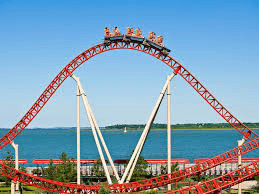
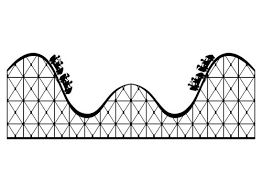
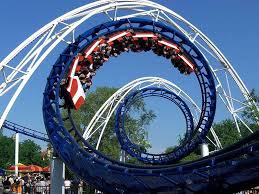
Choose all the apply: When a roller coaster is at the top of a hill it has

a)

high potential energy

b)

high kinetic energy

c)

low potential energy

d)

low kinetic energy

41.

When a roller coaster is at the bottom of a hill it has

a)

high potential energy

b)

high kinetic energy

c)

low kinetic energy

d)

low potential energy

42.

Choose all that apply: Kinetic energy depends on

a)

mass

b)

height

c)

speed

d)

gravity

43.

Choose all the apply: Potential energy depends on

a)

mass

b)

height

c)

speed

d)

gravity

44.

This picture shows _____ energy because it is being stored.

a)

Kinetic

b)

Potential

c)

Chemical

d)

Sound

45.
The faster an object moves, the ________ kinetic energy it has. 
a)
more
b)
less
c)
none of the above
d)
all of the above 
46.

Calculate the potential energy of a car with a mass of 2,500 kg that is on a hill 100 meters above sea level.

a)

250,000 J

b)

2,450,000 J

c)

2,451,663 J

d)

248 J

47.

Lilly's cat ran through your yard. The cat has a mass of 5 kg. He is running at a speed of 3 m/s. What is the kinetic energy of the cat as he runs?

a)

8.5 J

b)

45 J

c)

7.5 J

d)

22.5 J

48.

A weight lifter raises a 180 kg barbell to a height of 1.95 m. What is the potential energy of the barbell?

a)

351 J

b)

3443 J

c)

1766 J

d)

19 J

49.
Calculate the kinetic energy of a moving 4 kg object travelling at a velocity of 3 m/s.
a)
18 J
b)
36 J
c)
12 J
d)
6 J
50.

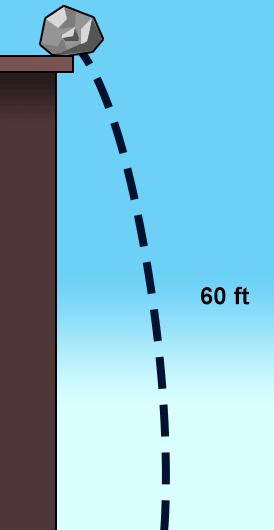
The rock in the picture is pushed over the edge and it begins to fall. Which type of energy conversion is taking place?

a)

mechanical to heat

b)

sound to mechanical

c)

potential to kinetic

d)

kinetic to potential

51.

The light bulb converts electrical energy into light and _________.

a)

chemical

b)

electromagnetic

c)

heat

d)

nuclear

52.
A force exerted over a distance to move an object is ______________________.
a)
power
b)
work
c)
momentum
d)
Watt
53.
How much work is being done with 200 N of force over 426 meters?
a)
85,200 J
b)
45,620 J
c)
90,480 J
d)
62,329 J
54.
If 150 Joules of work is needed to move a box 10 meters, what force was used? 
a)
1500 N
b)
15 N
c)
1.5 N
d)
150 N
55.
If 68 Joules were necessary to move a 4 Newton crate, how far was the crate moved?
a)
272 m
b)
17 m
c)
4.05 m
d)
272 cm 
56.
In which of these cases is work being done? 
a)
A student sleeps all night.
b)
A student pushes a locked door that does not move.
c)
A student carries his chair into another room.
d)
A student sits on the carpet.
57.

The rate of doing work is called...

a)

work

b)

energy

c)

force

d)

power

58.
What is the power of a kitchen blender if it can perform 3,750 joules of work in 15 seconds?
a)
56, 250 watts
b)
250 watts
59.

An elevator does 3600 J of work in 10 seconds. How much power was used?

a)

360 W

b)

60 W

c)

3600 W

d)

600 W

60.
A set of pulleys is used to lift a piano weighing 1,000 newtons.  The piano lifted 3 meters in 60 seconds  How much power is used?
a)
16.67 watts
b)
50 watts
61.
How much power is used if a force of 35 newtons is used to push a box a distance of 10 meters in 5 seconds?
a)
70 watts
b)
1750 watts
62.

Choose all that apply: The momentum of an object depends upon the object's ___________&_____________.

a)

acceleration

b)

mass

c)

veloctiy

d)

energy

63.
Which has more momentum: a car stopped at a red light or a bike moving at 15 mph?
a)
car
b)
bike
c)
they are equal
d)
cannot determine using the info provided
64.

Determine the momentum of 1000-kg car moving southward at 20 m/s.........

a)

20000 Kg * m/s north

b)

50 Kg * m/s south

c)

20000 Kg * m/s south

d)

50 Kg * m/s north

65.
A 50 kg ball rolls down the street at 5 m/s. Calculate the momentum of the ball. 
a)
55 kg*m/s
b)
100 kg*m/s
c)
250 kg*m/s
d)
500 kg*m/s
66.
A 2.5 kg ball moving at 5 m/s collides with a 2.5 kg stationary ball in a perfectly elastic collision.  What is the velocity of the second ball after the collision? 
a)
5 m/s
b)
2.5 m/s
c)
10 m/s
d)
7.5 m/s
67.
A 9300 kg railroad car traveling at a velocity of 5 m/s strikes a second boxcar that weighs 5000 kg at rest. At what speed will the second boxcar move?
a)
18.6 m/s
b)
9.3 m/s
c)
7.5 m/s
d)
1.86 m/s
68.

Which of Newton's laws is best described by inertia?

a)

1st

b)

2nd

c)

3rd

d)

law of conservation of mass

69.

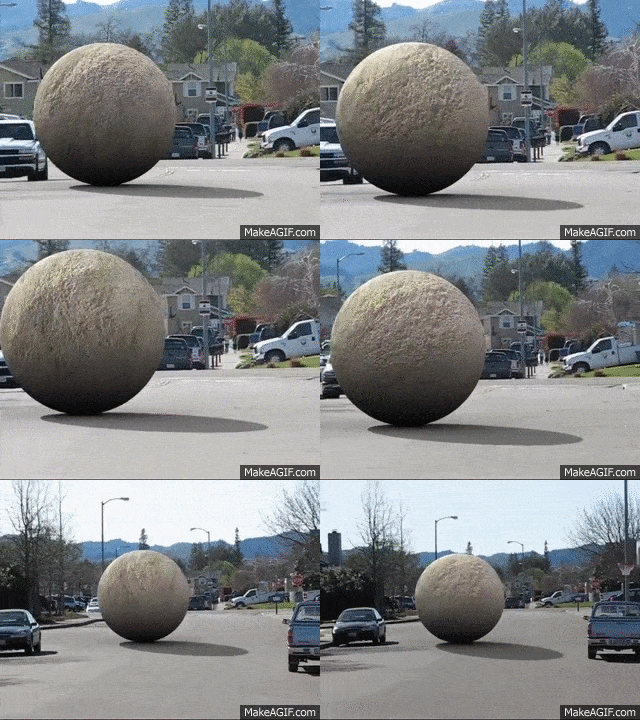
This picture best demonstrates which of Newton's laws of motion?

a)

1st

b)

2nd

c)

3rd

d)

law of motion

70.

Which of Newton's laws of motion has equal and opposite forces?

a)

1st

b)

2nd

c)

3rd

d)

speed

71.

A person not paying attention while skateboarding hits a rock. The skateboard stops...they don't. This is an example of which of Newton's laws of motion?

a)

The Law of Inertia (1st law)

b)

The Law of Acceleration (2nd law)

c)

The Law of Conservation of Momentum

d)

Action Reaction Law (3rd law)

72.

A magician pulls a tablecloth out from under dishes and glasses on a table without disturbing them. This is an example of ....

a)

Newton's 1st Law

b)

Newton's 2nd Law

c)

Newton's 3rd Law

73.

Newton's ___ law states that acceleration is due to a force put on an object mass

a)

1st

b)

2nd

c)

3rd

d)

All of the above

74.

Object tendency to resist change

a)

Friction

b)

Inertia

c)

Forcé

d)

Gravity

75.
According to Newton’s first law of motion, a moving object that is not acted on by an unbalanced force will
a)
remain in motion.
b)
eventually come to a stop.
c)
change its momentum.
d)
accelerate.
76.
Matt measured a small rubber ball and made 3 other balls of the same diameter from lead, foam, and wood. Which has the greatest inertia?
a)
rubber ball
b)
lead ball
c)
foam ball
d)
wood ball
77.
A 20 kg bike accelerates at 10 m/s2.  What was the force?
a)
25 Newtons
b)
20 Newtons
c)
200 Newtons
d)
10 Newtons
78.

According to Newton's second law, if you increase the force applied to an object :

a)

the acceleration increases

b)

it doesn't move

c)

the mass decreases

d)

the acceleration decreases

79.
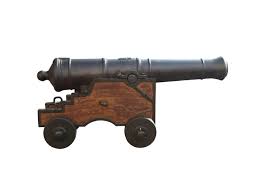
When a cannon fires a cannonball we observe Newton's third law. Which force is the reaction force?
a)
The cannon moving forward
b)
The cannonball moving forward
c)
The cannon moving backward
d)
The cannonball moving backward
80.

What is the force of a 20 kg bike that accelerates at 10 m/s/s?

a)

25

b)

200 N

c)

20 N

d)

10 N

81.
With unbalanced forces, the object will move in the direction of the _______ force.
a)
larger 
b)
smaller 
c)
equal 
82.
8 N to the left , and 4 N to the right. Find the net force. Is this balanced?
a)
12 N Right  No
b)
4 N Left  No
c)
12 N Right  Yes
d)
4 N Left  Yes
83.
If there are two forces going in the same direction how would you find the net force?
a)
Subtract
b)
Add
c)
Neither
d)
Multiply
84.
What is the magnitude (size) and direction of the net force?
a)
15 N to the left
b)
15 N to the right
c)
1 N to the left
d)
1 N to the right
85.
A force that slows or stops motion when objects rub together.
a)
Friction
b)
Push
c)
Pull
d)
Magnetism
86.
if you have balanced forces on a ball what happens
a)
It stays still
b)
Keeps going
c)
:(
d)
:)
87.
What type of friction is not moving?
a)
static
b)
sliding
c)
fluid
d)
rolling
88.
A type of friction that occurs when air pushes against a moving object causing it to decelerate.
a)
surface area
b)
air resistance
c)
velocity
d)
gravity 
89.
Which of the following is an example of friction that is helpful?
a)
Brakes used on a bike
b)
Tires from a car on the road
c)
Tread on the bottom of your shoes
d)
All are examples that are helpful
90.
Wheels on a skateboard most likely experiences-
a)
Rolling Friction
b)
Sliding Friction
c)
Fluid Friction
d)
Static Friction
91.
Sally experiences-
a)
Rolling Friction
b)
Sliding Friction
c)
Fluid Friction
d)
Static Friction
92.
Swimming fish experience-
a)
Rolling Friction
b)
Sliding Friction
c)
Fluid Friction
d)
Static Friction
93.

Which of the following represents a glider going through the air?

a)

fluid friction

b)

static friction

c)

emotional friction

94.
The amount of matter in an object.
a)
force 
b)
mass
c)
weight 
d)
pressure 
95.
Which of the following never changes no matter where you are in the universe? 
a)
Pounds 
b)
weight 
c)
Force
d)
Mass
96.

Gravity is the attraction between to masses

a)

False

b)

True

97.
The force of gravity is also known as
a)
Mass
b)
Weight
c)
Distance
d)
Acceleration
98.

Gravity attracts all objects towards one another because all objects have mass

a)

False

b)

True

99.
As distance between two objects increase the pull of gravity 
a)
Increases
b)
Decreases
c)
Stays the same
100.
A person would weigh less on on the Moon than on the Earth because . . .
a)
Moon has more mass, and therefore more gravity
b)
Moon has less mass, and therefore more gravity
c)
Moon has more mass, and therefore less gravity
d)
Moon has less mass and therefore less gravity
101.
If a bowling ball and a feather were dropped at the same time, in a room with no air resistance (vacuum), which object will hit the ground first?
a)
Bowling Ball
b)
Feather
c)
Both would hit at the same time
d)
Neither one would hit the ground because air is what pushing things down.
102.

What is the acceleration of gravity on Earth?

a)

9.8 m/s/s

b)

5 m/s/s

c)

9.8 m/s

d)

1/6 m/s/s

103.

How much does a 100 kg refrigerator weigh in Newtons?

a)

100 kg

b)

100 N

c)

980 N

d)

9.8 N

104.

How much does a 25 kg child weigh in Newtons?

a)

980 N

b)

25 N

c)

250 N

d)

245 N

105.

A push or a pull is

a)

speed

b)

a force

c)

energy

d)

work

106.
What is speed?
a)
how much an object’s position changes
b)
how far an object moves
c)
how long an object moves
d)
how far an object moves in a certain amount of time
107.

What is the speed of a runner who runs 400 meters in 40 seconds?

a)

10 m/s

b)

40 m/s

c)

100 m/s

d)

1,600 m/s

108.

Calculate the speed of a sprinter who ran 200 meters in 20 seconds.

a)

10 m/s

b)

10 km/s

c)

10 m/hr

d)

10 km/hr

109.
Kira jogs to a store 72 m away in a time of 36 s. What is Kira's average speed?
a)
0.5 m/s
b)
2 m/s
c)
2 h
110.

Changing an objects velocity (its speed and/or direction) is...

a)

Motion

b)

Force

c)

Acceleration

d)

Displacement

111.
Changing the speed and changing the direction of your bicycle are both examples of acceleration.
a)
TRUE
b)
FALSE
112.
If you slow down on your bicycle, you accelerate.
a)
TRUE
b)
FALSE
113.
You ride your bike around the block at a constant speed of 11 km/h.
a)
Acceleration occurred because speed increased.
b)
Acceleration occurred because speed decreased.
c)
Acceleration occurred because you changed directions.
114.
A roller coasters accelerates from an initial velocity of 6.0 m/s to a final velocity of 70 m/s over 4 seconds.  What's the acceleration?
a)
24 m/s2
b)
18 m/s2
c)
16 m/s2
d)
16 m/s
115.
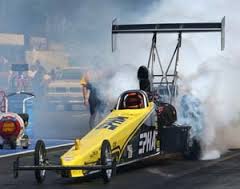
A drag racer accelerated from 0 m/s to 200 m/s in 5 s.  What was the acceleration?
a)
0 m/s
b)
40 m/s2
c)
-40 m/s2
d)
40 m/s
116.
Acceleration can be classified as _______________
a)
Speeding up
b)
Slowing Down
c)
Changing directions
d)
All of the above
117.
a)
Object not moving
b)
Object accelerating
c)
Object slowing down
d)
Object at a constant speed
118.
a)

Green object is moving at a faster constant speed than Red

b)

Red object is moving at a faster constant speed than Green

c)

Green object is moving at a slower constant speed than Red

d)

Red object is moving 2 times faster than Green

119.

The length between two points is called ________ . (Exact path of the object)

a)

displacement

b)

length

c)

division

d)

distance

120.

Distance and direction of an object's change in position from a starting point (straight light from start to end)

a)

displacement

b)

distance

c)

motion

d)

reference point

121.
Scott travels north 5 miles and then goes west 3 miles before coming straight back south 2 miles. What is his distance?
a)
10
b)
7
c)
8
d)
6
122.
David walks 3 km north, and then turns east and walks 4 km. What is the distance?
a)
7 km
b)
3 km
c)
4 km
d)
1 km
123.
Bill runs 400 meters to Andy's house, turns around, and runs 400 meters back home.  What is Bill's distance?
a)
0 meters
b)
400 meters
c)
800 meters
d)
1600 meters
124.
Bill runs 400 meters to Andy's house, turns around, and runs 400 meters back home.  What is Bill's displacement?
a)
0 meters
b)
400 meters
c)
800 meters
d)
1600 meters
125.

A person walks 50 meters directly north, stops, and then travels 32 meters directly south. What is their displacement?

a)

82 meters north

b)

18 meters north

c)

28 meters

d)

18 meters south

e)

18 meters