
 Worksheets
BIOL 2010 Exam 2 Review
Total questions: 60
Worksheet time: 29mins
The cytoplasm of a cell is made up of which of the following?
the plasma membrane and cytosol
the cytosol and the nucleus
the plasma membrane and organelles
the cytosol and organelles
In what part of a cell would you find most of a cell's genetic material?
Plasma membrane
Cytoplasm
Nucleus
Mitochondrion
Plasma membranes allow some substances to pass through more readily than others. This property is referred to as _______.
Active transport
Endocytosis
Selective permeability
Phagocytosis
Which of the following types of membrane proteins function by recognizing and binding to hormones and neurotransmitters?
receptors
transporters
enzymes
linkers
Which membrane proteins are involved with the transport of molecules that otherwise would be unable to enter the cell?
linker proteins
glycoproteins
carrier proteins
receptor proteins

Which of the labeled structures in the image is an example of a peripheral protein?
A
B
C
D

In the diagram, which one represents carrier-mediated facilitated diffusion?
A
B
C
both B and C

In this image, what is the role of ATP?
it is cotransported with Na+
it provides the energy needed to run the protein "pump"
it is needed to transport Na+ into the cell
it is needed to transport K+ out of the cell
What type of endocytosis allows cells to "drink" (take up tiny droplets of extracellular fluid)?
exocytosis
pinocytosis
phagocytosis
transcytosis
The nucleus of a cell contains one or more of these structures that are the site of production of ribosomes.
histones
nucleolus
chromatin
centrosome
Gases such as oxygen and carbon dioxide can pass through a plasma membrane by simple diffusion, because they are uncharged, nonpolar molecules.
True
False
Which represents a passive process?
movement of water from an area of low solute concentration to an area of high solute concentration
movement of solute particles against their concentration gradient
the use of ATP to move ions
A red blood cell placed in a solution of 5% NaCl would lose water. This is because the solution is _______________ to the cell
hypertonic
hypotonic
isotonic
Which enzyme catalyzes the formation of mRNA?
ligase
DNA polymerase
RNA polymerase
kinase
DNA replication:
can also be called mitosis
requires the use of mRNA, rRNA, and tRNA
takes place during S interphase of the cell cycle
reduces the number of chromosomes by half
What factors can increase the rate of diffusion?
Increasing steepness (magnitude) of the concentration gradient
Increase in temperature
Decrease in molecular size
All of these
_________ is a state of high metabolic activity in which the cell does most of its growing
Prophase
Metaphase
Telophase
Interphase
Which of the following transport processes uses vesicles that fuse with the plasma membrane to secrete materials into the extracellular fluid?
endocytosis
exocytosis
facilitated diffusion
osmosis
Actin filaments, intermediate filaments and microtubules are all components of a cell’s
nucleus.
plasma membrane.
cytoskeleton.
ribosome.
Which of the following membrane-enclosed organelles modifies, sorts, and packages proteins destined for other regions of the cell?
endoplasmic reticulum
Golgi complex
peroxisomes
proteasome
Which portion of a DNA segment does not code for a protein?
RNA
intron
exon
ribosome
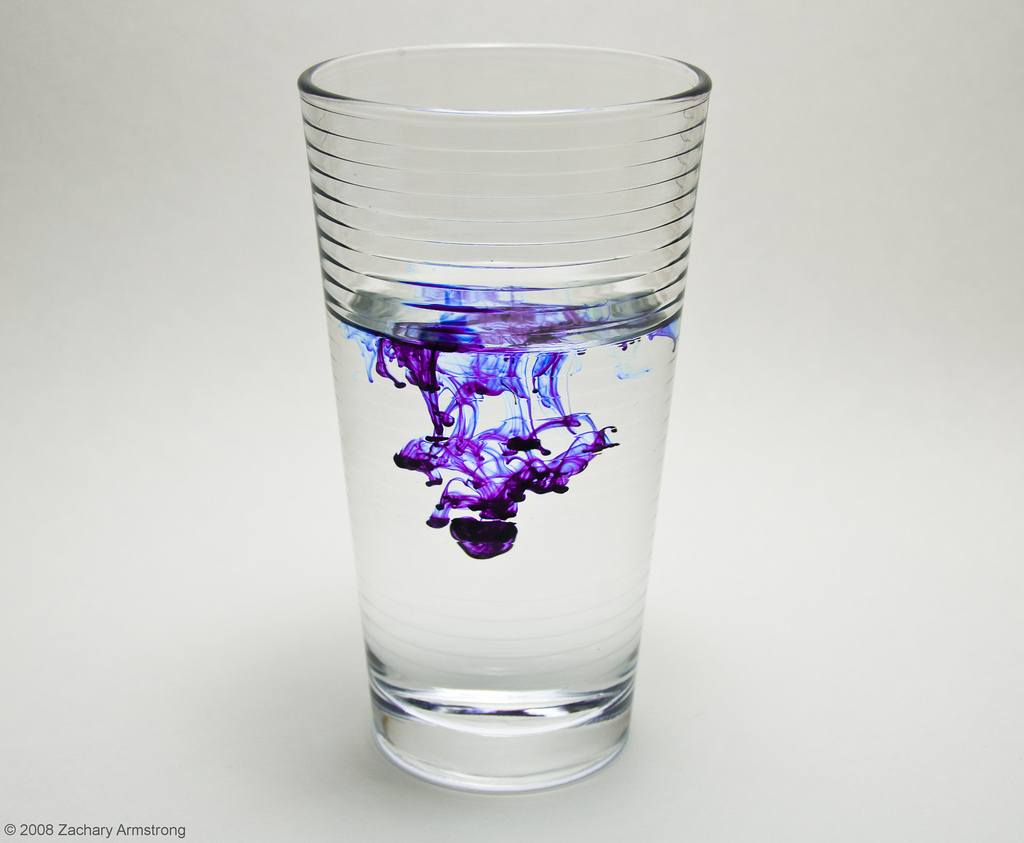
Which type of solution has a greater solute concentration INSIDE of the cell?
Hypertonic
Hypotonic
Isotonic

The cell shrunk in size, which means it was placed in a ____ solution.
Isotonic
Hypertonic
Hypotonic
This organelle digests dead cell parts and contains enzymes
lysosome
golgi body
smooth ER
Rough ER

What organelle is represented by this image?
rough endoplasmic reticulum
smooth endoplasmic reticulum
ribosome
nucleus
The jelly-like material inside the cell
ribosomes
lysosome
granum
cytoplasm

What function does this organelle carry out in the cell?
detoxification
packaging materials for release from the cell
breaking down old cellular components
storing genetic material
Proteins are produced at this organelle.
golgi body
ribosome
cytoskeleton
cilia
This organelle makes useable energy for the cell
chloroplast
mitochondria
ribosome
nucleolus
Ribosomes are produced here
nucleus
nuclear membrane
nucleolus
chromosomes

Which organelle is this?
Golgi Apparatus
Mitochondria
Nucleus
Chloroplast
This organelle makes lipids for the cell.
Rough ER
Smooth ER
Golgi body
nucleus
The monomers units of DNA and RNA are
amino acids
monosaccharides
nucleotides
fatty acids
The signal that marks the end of a gene and causes transcription to stop is
polymerase
ligase
a terminator
methionine
The transfer of genetic info from DNA to RNA is called
translation
transcription
initiation
elongation
Translation consists of which of the following?
conversion of genetic info from the language of nucleic acids to the language of proteins
conversion of genetic info from DNA to RNA
addition of nucleotides to a DNA template
DNA replication
Any change in the nucleotide sequence of a gene is called
a mutation
a codon
a translation
an anticodon
Which of the following is the complementary mRNA sequence to this DNA strand: AACTGAA
UUGACUU
TTGACTT
AACTGAA
AACUGAA


What brings the amino acids to the ribosome to assemble a protein?
DNA

What is the location in the cell for translation?
Cytoplasm
Nucleus
Lysosome
Golgi apparatus


What is the image above:
Chromosome
Chromotid
Centromere
Centriole

What stage of mitosis is depicted here
Prophase
Anaphase
Telophase
Metaphase

What stage of mitosis is depicted here
Prophase
Metaphase
Anaphase
Telophase

What stage of mitosis is depicted here
Prophase
Metaphase
Anaphase
Telophase

What stage of mitosis is depicted here
Prophase
Metaphase
Anaphase
Telophase
Nuclear membrane breaks down, spindle fibers form describes:
Prophase
Anaphase
Metaphase
Telophase
Spindle fibers attach, centrioles line chromosomes in the center of the cell describes:
Prophase
Telophase
Metaphase
Anaphase
Centrioles pull the chromosomes apart towards the opposite sides of the cell describes:
Prophase
Metaphase
Telophase
Anaphase
Nuclear membranes form, cell begins to pinch to begin splitting describes:
Prophase
Anaphase
Telophase
Metaphase
It is otherwise known as "Resting stage" because the cell is not dividing.
Interphase
prophase
metaphase
anaphase
The goal of mitosis is to
make a new parent cell
make two new daughter cells with the same DNA
make two new daughter cells with different DNA
to grow a larger toe
In interphase, the cell is
multiplying chromosomes
growing and copying DNA
destroying DNA
moving inside
Why does our body undergo mitosis?
fun and games
checks and balances
growth and repair
to build bigger muscles

