
NEW
Font size
 Worksheets
Sci 8 Unit 1: Intro to Science 8
Total questions: 63
Worksheet time: 40mins

Study of life
biology
chemistry
physics
earth science

A zoologist studies about ________.
plants
human body
ocean
animals
Which of the following would study viruses?
bacteriology
marine biology
virology
entomology
The information you collect while doing your experiment is called
conclusions
data
hypotheses
procedures
What is an independent variable?
What a scientist changes in an experiment to test their hypothesis
What scientist measure to see if it responded to a change
What happens when you do an experiment
What you keep the same throughout all experimental groups
What is an dependent variable?
What a scientist changes in an experiment to test their hypothesis
What scientist measure to see if it responded to a change
What happens when you do an experiment
What you keep the same throughout all experimental groups

At what temperature did bread mold the slowest?
20
40
60
80
A scientific theory:
Describes a natural phenomenon
Explains a natural phenomeon
A scientific law:
Describes a natural phenomenon
Explains a natural phenomenon

When writing you hypothesis, what information follows IF?
dependent variable
how you know it will happen
independent variable
anything

When writing a hypothesis, what information do you fill in after THEN?
dependent variable
independent variable
how you know it will happen
anything good

Choose the correct hypothesis for "What effect does studying have on your test grade?"
IF I study for hours, THEN my test grade will be better.
IF I have a good test grade, THEN I will study.
Good grades are from studying.

A students was doing an experiment using the scientific method. Every three days the student plans to count the green leaves. Which would be a good hypothesis for this experiment?
If plants are placed in direct sunlight, then they will grow more green leaves.
If plants are places in bright light, then they will grow more green leaves than in dim light.
If plants are place in clay pots, then they will grow more green leaves than plastic pots.
If plants are in warmer temperatures, then they will grow more green leaves.

A scientist hypothesizes the the temperature at which an alligator's egg is incubated will determine whether the alligator will be male or female. The independent variable is
the male alligators
the gender of the alligator
the temperature
the incubator

A scientist hypothesizes the the temperature at which an alligator's egg is incubated will determine whether the alligator will be male or female. The dependent variable is
the temperature
the size of the baby alligators
the incubator
the gender of the baby alligators
These kind of observations are made using instruments such as rulers, balances and thermometers
Qualitative
Quantitative
Scientific
These type of observations are described, not measured.
Qualitative
Quantitative
It feels smooth.
Qualitative
Quantitative
The leaf is 5mm wide.
Qualitative
Quantitative
The liquid is a pink color.
Qualitative
Quantitative
The mass of the chocolate cake is 250 g.
Qualitative
Quantitative
In an experiment, constants should always be
different
the same
kind of the same
none of the above
Justin usually blows his nose using Kleenex tissues. His snot keeps leaking through the tissue. He decided he is going to create an experiment to find the best tissue brand. What would be 1 constant?
amount of tissue
type of tissue
kleenex
which one works better
A paramecium will move away from direct light. This is an example of which characteristic of life?
respond to stimuli
maintain homeostasis
made of cells
get energy
A turtle lays a hundred of eggs.
use energy
grow and develop
reproduce
evolve
A human body is made up of many different types of cells.
have DNA
use energy
made of cells
respond to stimuli
The plant height has increased from 5’1” to 5’3” in two weeks.
maintain homeostasis
grow and develop
evolve
respond to stimuli
The neck of the giraffe changed over time to adapt to the environment
grow and develop
made of cells
use energy
evolve
What characteristic best explains: The tendency of an organism to maintain a stable internal balance such as temperature or the pH of blood.
grow and develop
maintain homeostasis
respond to stimuli
evolve

Which characteristic of living things is represented in the picture?
Respond to stimuli
Grow and develop
Evolution
Made of cells
Identify the characteristic: When a dog is too hot, he will sweat through his paws and pant to cool himself down.
Reproduce
Made of cells
Share similar chemicals
Homeostasis


A corn field absorbs sunlight to produce glucose.
All living things are made of cells
All living things respond to environmental stimuli
All living things acquire and use energy
All living things are based on a universal genetic code

Is the image of living or nonliving material?
living
nonliving

A rock
Living
Nonliving

Lynx
Living
Nonliving

Sunlight
Living
Nonliving

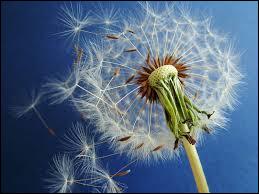
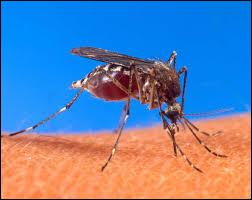
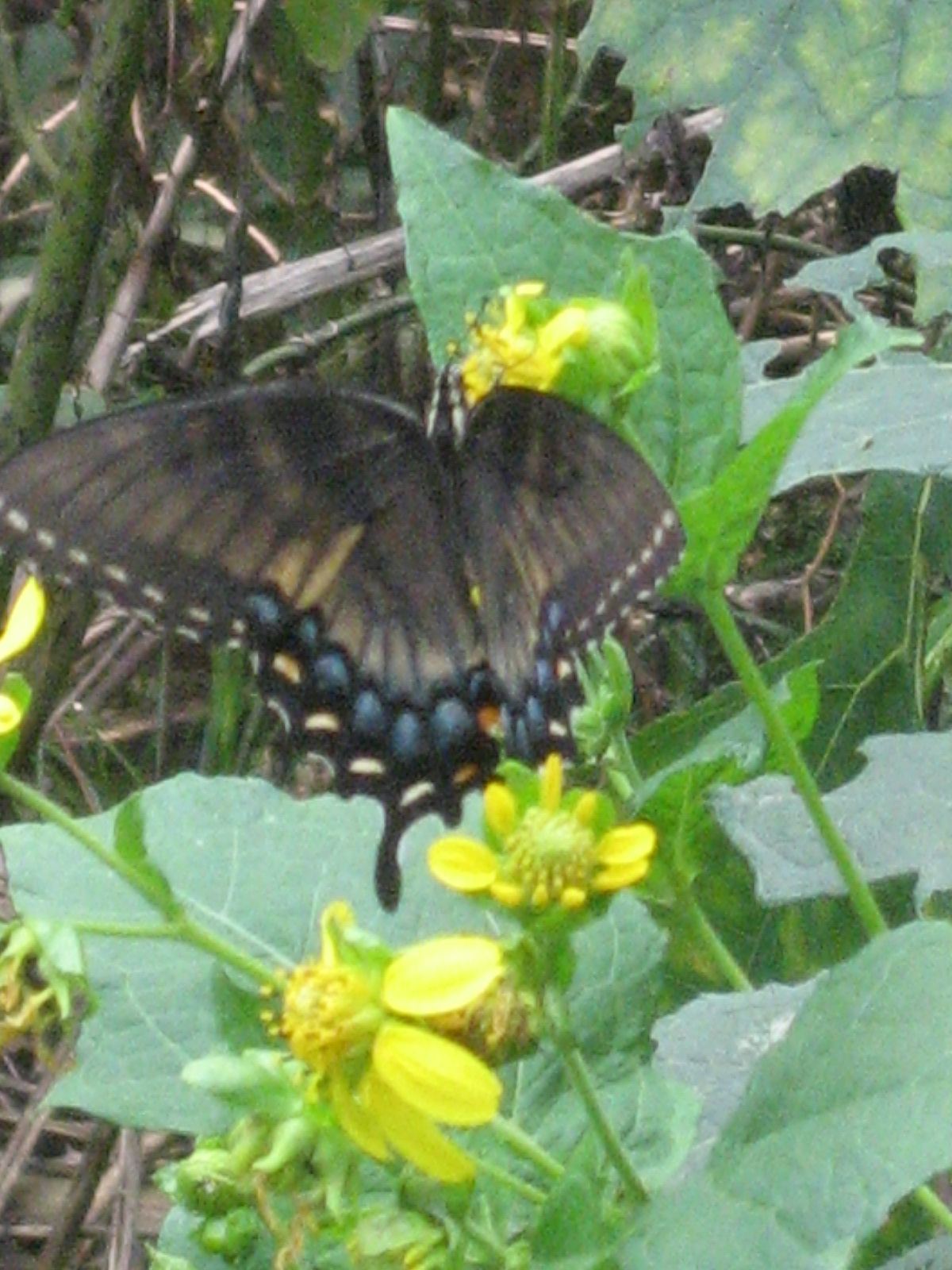
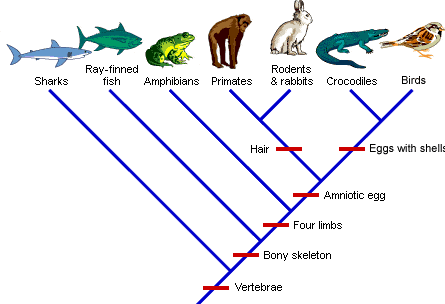
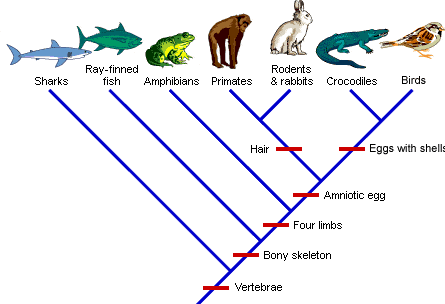


What kingdom do unicellular, prokaryotic organisms that live in extreme environments?
Animal
Archaebacteria
Eubacteria
Plant
What would the scientific name of this organism be?
Kingdom: Animalia
Phylum: Chordata
Class: Reptilia
Order: Crocodila
Family: Alligatoridae
Genus: Alligator
species: mississippiensis
alligator Mississippiensis
Crocodila chordata
Alligator mississippiensis
Reptilia crocodila
What would the scientific name of this organism be?
Kingdom: Animalia
Phylum: Chordata
Class: Mammalia
Order: Carnivora
Family:Canidae
Genus: Canis
species: mesomelas
Mammalia carnivora
Canidae mesomelas
Canis mesomelas
Animalia chordata

