
 Worksheets
Carbohydrate Review
Total questions: 32
Worksheet time: 11mins
What are the 3 types of carbohydrates?
Monosaccharides
Disaccharides
Polysaccharides
Pentasaccharides
Which of the following elements make-up Carbohydrates?
Carbon, Hydrogen, Oxygen
Carbon, Hydrogen, Oxygen, Nitrogen, Sulfur
Oxygen, Nitrogen, Hydrogen, Carbon
What is the ratio of Carbon : Hydrogen : Oxygen in Carbohydrates?
1:1:2
1:2:1
2:1:1
Which of the following is the building block of Carbohydrates?
Amino acids
Fatty acids
Monosaccharides
Which of the following is NOT a monosaccharides?
Fructose
Lactose
Glucose
Which of the following is a natural sugar found in fruits?
Fructose
Lactose
Glucose
Cellulose is a polysaccharide found in animals and fungi.
TRUE
FALSE
Lactose is a sugar found in dairy products.
TRUE
FALSE

Carbohydrates come mainly from what food source?
Water
Animal
Plant
Fish
What is the monomer of carbohydrates
disaccharides
monosaccharides
amino acids
fatty acids
Which of the following is NOT a monosaccharide?
starch
fructose
glucose
galactose
Which polysaccharide is used by plants to store glucose?
glycogen
cellulose
starch
chitin

What is the polysaccharide used by animals to store glucose?
glycogen
fructose
starch
cellulose
Which polysaccharide is used by plants to make their cell wall?
starch
glycogen
cellulose
chitin


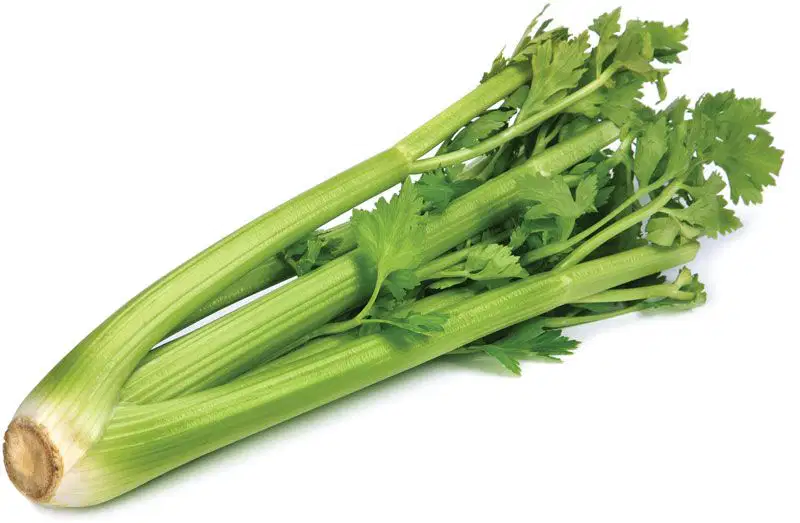
We would expect this food to be high in what?
sucrose
protein
fiber
lactose
Which food would give you the most energy for the next day?
Broccoli
Hotdog
Snickers
Pasta
What is dehydration synthesis?
Dehydration synthesis is a chemical reaction that involves the gain of a water molecule from the reacting molecule.
Dehydration synthesis is a chemical reaction that involves the loss of an oxygen molecule from the reacting molecule.
Dehydration synthesis is a chemical reaction that involves the loss of a water molecule from the reacting molecule.
Dehydration synthesis is a chemical reaction that involves the gain of a hydrogen molecule from the reacting molecule.
What happens during dehydration synthesis?
Two molecules separate to form smaller molecules with the gain of a water molecule.
Two molecules combine to form a larger molecule with the loss of a water molecule.
Two molecules combine to form a smaller molecule with the gain of a water molecule.
Two molecules combine to form a larger molecule with the gain of a water molecule.
What is hydrolysis?
Hydrolysis is a chemical reaction in which a compound is broken down by water.
Hydrolysis is a chemical reaction in which a compound is broken down by light.
Hydrolysis is a chemical reaction in which a compound is broken down by heat.
Hydrolysis is a chemical reaction in which a compound is broken down by air.
What happens during hydrolysis?
A compound is broken down into its constituent elements or smaller molecules by the addition of oxygen molecules.
A compound is broken down into its constituent elements or smaller molecules by the addition of carbon dioxide molecules.
A compound is broken down into its constituent elements or smaller molecules by the addition of nitrogen molecules.
A compound is broken down into its constituent elements or smaller molecules by the addition of water molecules.
What happens when a polysaccharide undergoes hydrolysis?
The polysaccharide is broken down into its constituent monosaccharides by the addition of water molecules.
The polysaccharide is broken down into its constituent monosaccharides by the addition of oxygen molecules.
The polysaccharide is broken down into its constituent monosaccharides by the addition of nitrogen molecules.
The polysaccharide is broken down into its constituent monosaccharides by the addition of carbon dioxide molecules.

