
 Worksheets
ecosystems exam 2023
Total questions: 44
Worksheet time: 2hrs 49mins
(a) are the plants, animals, and other single celled organisms (like bacteria) that live in an ecosystem.
Not living, or produced by nonliving things
Abiotic
Biotic
Biotic or Abiotic factor that restricts the growth of the population
carrying capacity
limiting factor
abiotic factor
biotic factor
What will happen if all of the frogs in a population die?
The frogs' predators will decrease and the frogs' prey will increase
The frogs' predators will increase and the frogs' prey will decrease
We better all pray because there isn't anymore frogs.
When resources are not available a population will _____________ in size.
Increase
Decrease
Stay the same
The amount of water available limit the growth of a population?
True
False
Unsure
Parasites and diseases will ______________ the size of a population, so the are examples of limiting factors.
Increase
Decrease
Stay the same
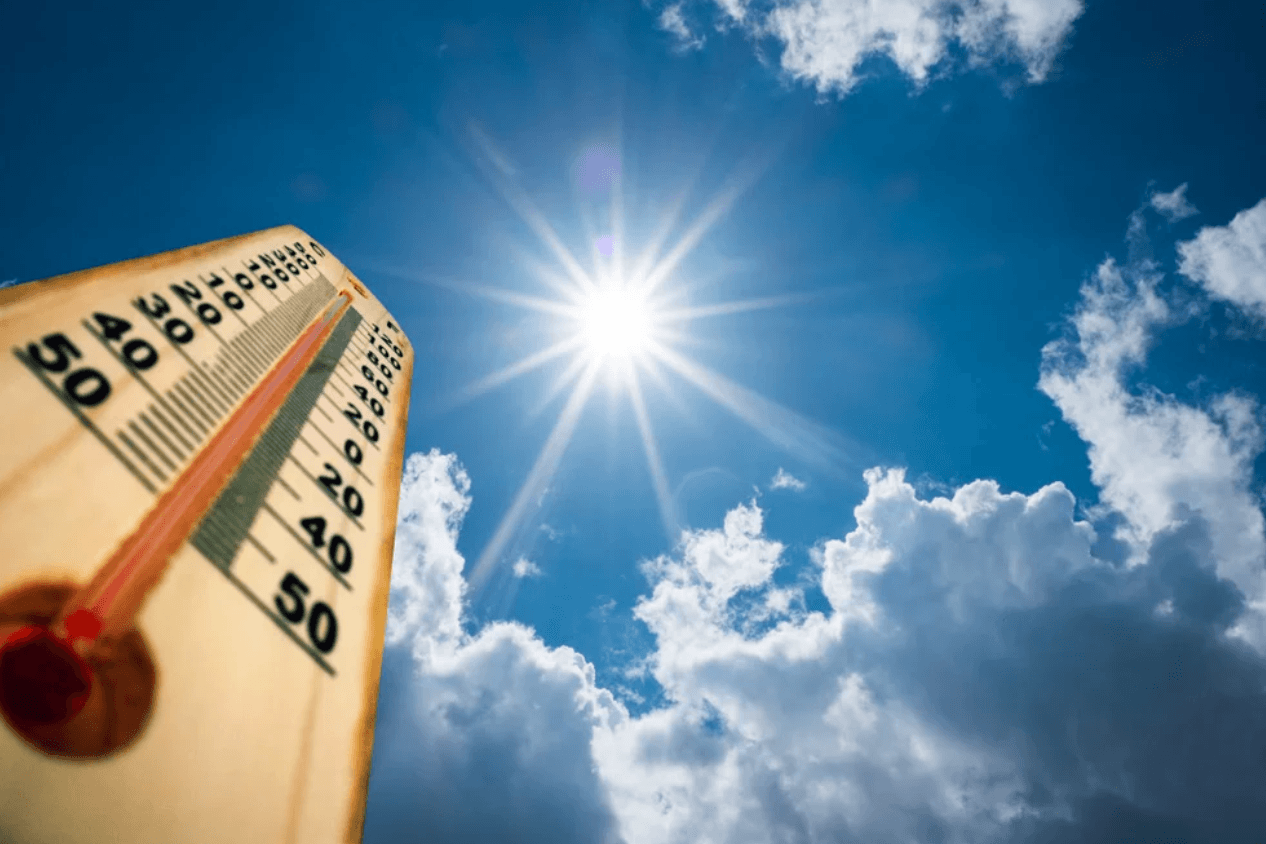
Temperature
Biotic (living)
Abiotic (non-Living)
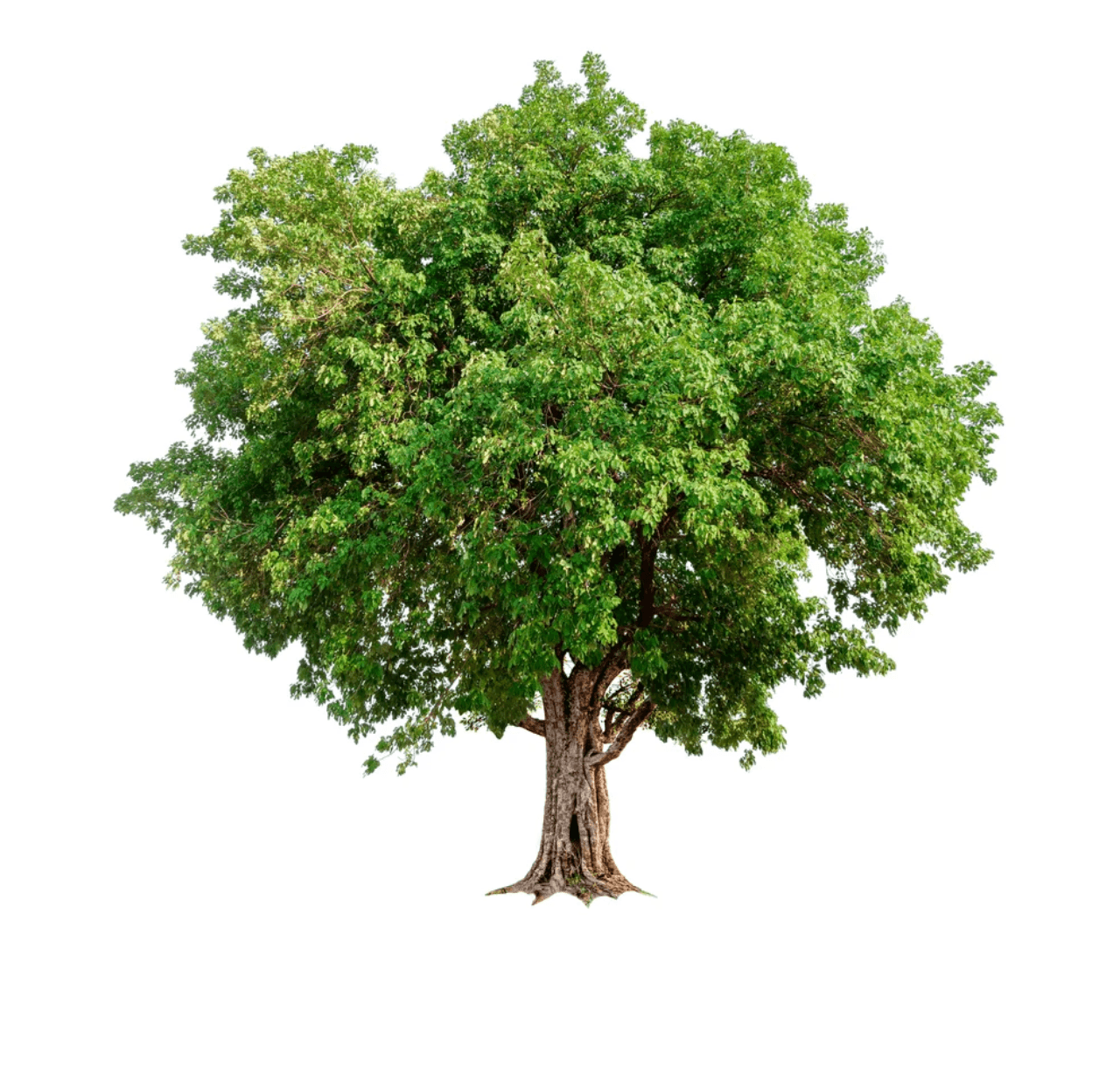
Tree
Biotic (living)
Abiotic (non-living)
This may cause a population to increase
increase of food supply
removal of predators
removal of disease
all of these
A group of the same type of organism living together in the same place at the same time is a
Population
Limiting Factors
Immigration
Birth Rate

If a disease destroying barley plants swept through an ecosystem, what would happen to the bird population that eat barley plants?
The bird population would stay the same
The bird population would infinitely increase
The bird population would decrease

An individual is a single _______________ of a particular species. One single zebra is an example.
Population
Organism
Ecosystem

All the individuals of one species in a given area is called a ______________. A herd of zebras would be an example.
Population
Community
Non-living
Organism

The total sum of all the populations of living things within an area that interact with one another is called_________. Zebra, elephants, and giraffes would be an example
Biosphere
Population
Community
Organism
Which definition best fits the term ecosystem?
A group or organisms of the same species that live in the same area and interact with one another.
A group of many populations (of different species) that live and interact with one another
A group of populations of many different species that live and interact with both one another and all of the abiotic factors in their environment.
A set of different ecosystems that acer connected by similar geographic features and share the same or similar climate.
Anywhere on earth that life exists.

Which of the following is NOT true of the included graphs?
The reintroduction of wolves led to a decline in the beaver population.
The reintroduction of wolves led to an increase in the elk population.
The ecosystem was healthier after wolves were reintroduced.
The reintroduction of wolves led to a decline in the bison population.
The trophic cascade in Yellowstone had many causes and affects. Which answer below most accurately shows the changes in the ecosystem due to the reintroduction of wolves?
wolves reintroduced-> deer population increased -> tree and vegetation cover decreased
wolves reintroduced-> beaver population decreased -> tree and vegetation cover increased
wolves reintroduced-> deer population decreased -> tree and vegetation cover increased -> beaver population increased
wolves reintroduced-> deer population decreased -> beaver population decreased -> songbird population increased

According to the graph, what is causing the deer population to decrease
They got sick
The wolf population is decreasing
The wolf population increased
They ran out of food

Examine the graph below of two animal populations. Which animal must be the prey species?
A
B


In an energy pyramid, how much of the energy in each level gets passed to the next level above it?
80%
90%
10%
20%

An organism that obtains energy by eating other organisms.
Consumer
Producer
Decomposer
Detritivore

The trout is a source of food for the human and the eagle. When there are more than one organism vying for the same source we call this____?


Which of the animals in this food web is an omnivore? (choose 2)
Raven
Snowshoe Hare
Bison
Grizzly Bear

Animals that only eat producers (also known as herbivores)
Producers
Primary Consumers
Secondary Consumers
Tertiary Consumers

What is this called?
Food Web
Food Chain
Trophic Level


What is a tropic cascade?
an ecological process triggered by the removal or addition of a top predator that causes changes throughout the food chain.
an ecological process triggered by the removal or addition of a top predator that causes no changes throughout the food chain.
an ecological process triggered by the removal or addition of a vegetation that causes no changes throughout the food chain.
an ecological process triggered by the removal or addition of a primary consumer that causes changes throughout the food chain.

Which ecosystem below has the HIGHEST biodiversity?


The primary cause of invasive species introduction is
too much food
human actions
weather events
asteroids
Physical location where an organism lives
Niche
Habitat
Ecosystem
Adaptation
Role filled by an organism in an ecosystem (How it makes its living)
Habitat
Niche
Adaptation
Environment

