
 Worksheets
Bio Chapter 2: The Chemistry of Life
Total questions: 77
Worksheet time: 2hrs 31mins
Large bodies of water, such as lakes and oceans, do no quickly fluctuate in temperature. What is the reason behind this phenomenon?
Water is an acid
Water has a high heat capacity
Water is a universal solvent
Water acts as a base
Water is essential for life. Its special properties make water the single most important molecule in plant life. Which of the following properties of water enables it to move from the roots to the leaves of plants?
Water expands as it freezes
Water is an excellent solvent
Water exhibits cohesive behavior
Water is able to moderate temperature
A water strider can skate along the top of a pond because:
Low surface tension of water
Hydrogen bonds result in water cohesion (surface tension)
Covalent bonds result in water cohesion
Water striders have adapted to take advantage of water cohesion
Water is often called the “universal solvent” because many substances can be dissolved in water. What property of water allows it to be such a universal solvent?
Purity
Polarity and cohesion
High heat capacity
Expansion upon freezing
Substance in a solution that dissolves the other substance and is present in the greater amount:
Solute
Acid
Solution
Solvent
The ability of water molecules to stick together is called:
Adhesion
Cohesion
Transpiration
Solvency
Water is polar because:
The molecule has two poles, at which it is colder than the other regions of the molecule.
The water molecule is neutral
The unequal sharing of electrons gives the water molecule a slight negative charge near its oxygen atom and a slight positive charge near its hydrogen atoms.
The unequal sharing of electrons gives the water molecule a slight negative charge near its hydrogen atoms and a slight positive charge near its oxygen atom.
The bonds within a water molecule are:
Polar covalent
Hydrogen
Ionic
Non-polar covalent
Which of the following is a function of a carbohydrate?
Provides long term energy to body
Supports the body in building structures necessary for survival
Provides short term energy to the body
Gives the body instructions for how to build our body's structures
A scientist is analyzing different biomolecule structures. They notice an influx of Phosphorus. Which biomolecule are they looking at?
Lipids
Protein
Carbohydrate
Nucleic Acid
Some proteins catalyze biochemical reactions. If a genetic defect prevented a protein catalyst from being produced, which of the following do you predict would happen in the cell?
The cell would find a different type of protein to catalyze the reaction.
The reaction the protein catalyzes would proceed very slowly or not at all.
The reaction the protein catalyzes would only occur in some places in the cell.
The reverse reaction of the one the protein catalyzes would begin to proceed.
As food travels through the digestive system, it is exposed to a variety of pH levels. The stomach has a pH of 2 due to the presence of hydrochloric acid (HCl), and the small intestine has a pH ranging from 7 to 9. HCl converts pepsinogen into pepsin, an enzyme that digests proteins in the stomach. Which of the following most likely happens to pepsin as it enters the small intestine?
It becomes inactive
It begins to replicate
Its shape changes to engulf large proteins
Its activity increases to ingest more proteins

A neutron has what charge?
Positive
Negative
It has no charge (it is neutral)
An electron has what charge?
Positive
Negative
It has no charge (it is neutral)
Which Subatomic Particles Are Found in the Nucleus?
Protons & Electrons
Electrons & Neutrons
Protons & Neutrons
Protons Only
Neutrons Only
Elements with different number of neutrons are called
Isotopes
Ions
Neutrotopes
Neurons
What type of bond involves the sharing of electrons between atoms?
covalent bond
ionic bond
metallic bond
transfer bond
In ionic bonding, valence electrons are _______.
shared
transferred
destroyed


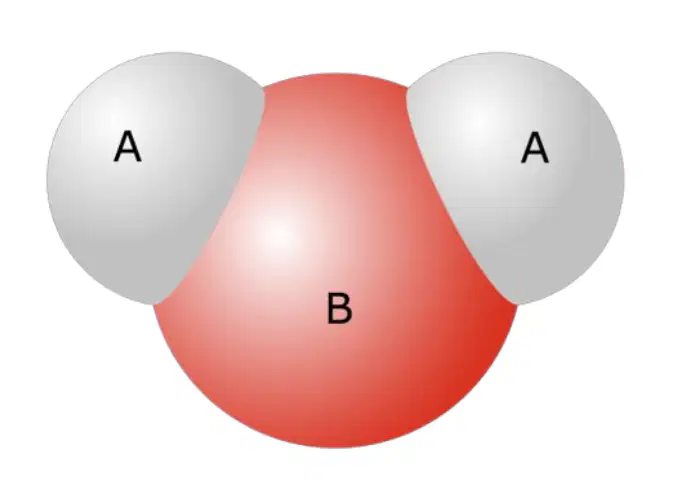
Which letter represents the partially negative atom?
B
A


What is this enzymes optimal temperature?
10*C
40*C
50*C
70*C
Which pair of answers correctly matches the monomer and the polymer?
Glucose- Protein
Amino Acid- Nucleic Acid
Nucleotide - Nucleic Acid
Fatty Acid- DNA
What is the function of carbohydrates?
provides quick energy
stores energy
helps with growth and repair of tissues
stores genetic information
What is the function of nucleic acid?
provides quick energy
stores energy
helps with growth and repair of tissues
stores genetic information
The most important element that is the backbone of all biological molecules

What would be the best thing to eat if you were going to run a race in an hour
a steak
grilled chicken
a salad with olive oil dressing
pasta
Starch is...
a protein
a lipid
a carbohydrate

lipid

protein
lipid
nucleotide


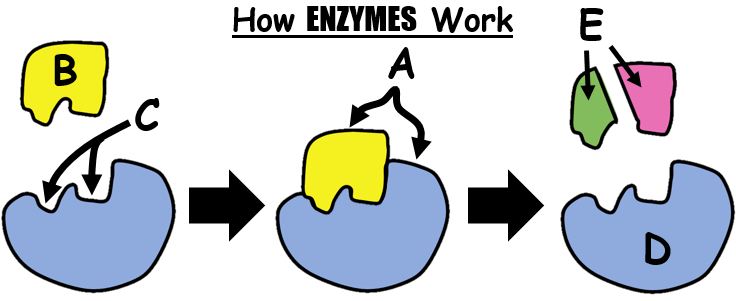
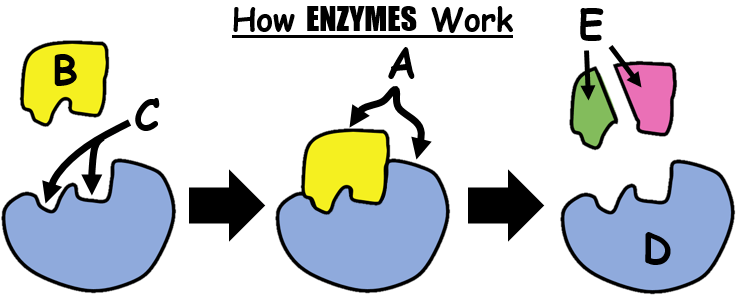
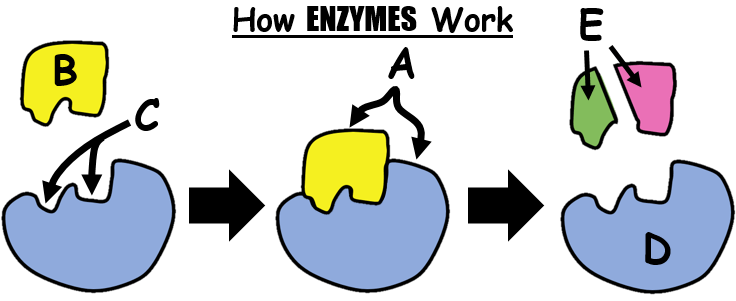
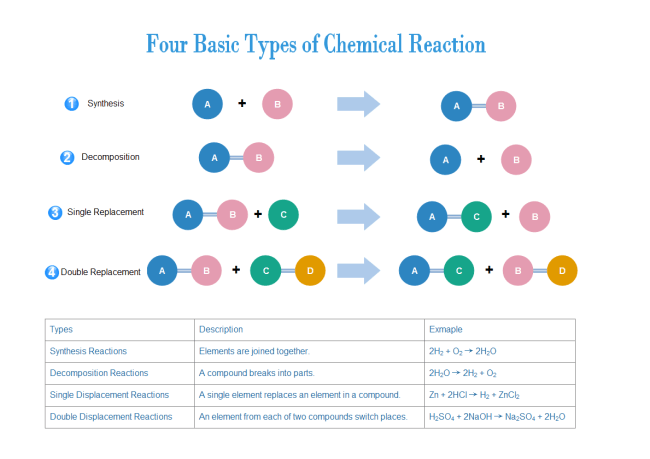
In a chemical reaction, ________ are the substances that are made after the reaction occurs.
Products
Molecules
Reactants
Substances
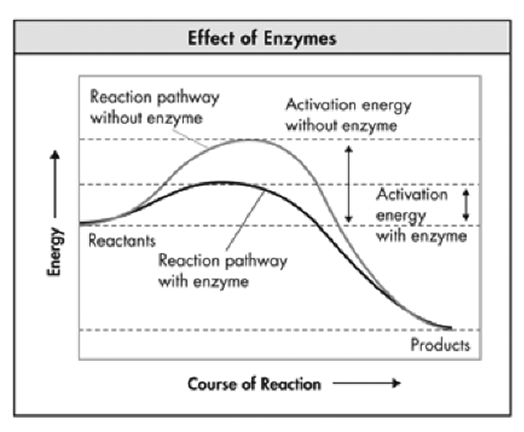
How does an enzymes shape relate to its function?
the shape of the enzyme has no relation to its function
the enzyme is shaped specially for certain substrates to perform a specific reaction
the enzyme shape acts as a receptor to certain products
the enzyme shape can fit into specific substrates to cease a reaction
Changes in pH and temperature can ___________________ an enzyme which causes it to lose its shape and affects its function.
puncture
denature
double
delete
A student is observing the flow of water inside the xylem of a plant stem. The water molecules stick to each other and form a continuous column, and they are also attracted to the walls of the xylem tubes.
Which properties of water are primarily responsible for the continuous, upward movement of water in the plant's xylem?
High Heat Capacity and Universal Solvent
High Surface Tension and Low Density of Ice
Cohesion and Adhesion
Universal Solvent
Which statement best explains how the the heat capacity of water benefits aquatic organisms in a lake during the transition from summer to winter?
It allows the water to dissolve more oxygen and nutrients for the organisms.
It promotes the formation of a surface layer of ice which allows light penetration for photosynthesis.
It ensures that water at the bottom of the lake is less dense than the surface water, preventing it from freezing.
It minimizes extreme temperature fluctuations, maintaining a relatively stable environment for the organisms.
In an ecosystem, the fact that ice is less dense than liquid water is crucial for the survival of aquatic life in temperate and arctic climates.
If ice were denser than liquid water, which biological consequence would most likely occur?
The process of transpiration in plants would be inhibited.
Lakes and ponds would freeze solid from the bottom up, killing most organisms.
The ocean's temperature would fluctuate much more dramatically.
Water would no longer function as an effective solvent for biological molecules.
A scientist analyzes an unknown biological substance and determines it is composed of amino acid monomers joined by peptide bonds. Based on this chemical structure, the substance is classified as which type of macromolecule?
Nucleic Acid
Protein
Carbohydrate
Nucleic Acid

