
 Worksheets
Year 8 Autumn 1 End of Term Assessment 2023-24
Total questions: 49
Worksheet time: 25mins

What is the difference between fats and oils?
Oils are liquid at room temperature
Fats are solid at room temperature
All of the above
How come having excess cholesterol in our arteries is not good for our health?
having excess cholesterol makes us weigh more
It is desirable to have excess cholesterol in your arteries
Can block blood flow and lead to heart disease
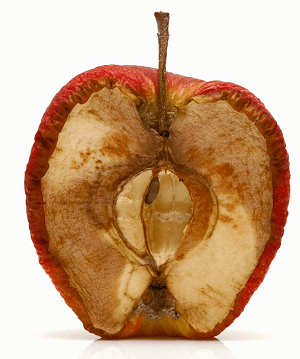
Enzymic browning occurs when...
enzymes are damaged and oxidation takes place
Fruit is spoiled and unsafe to eat
Fruit goes mouldy
Food gets bacteria on it and makes your enzymes go brown
The enzyme in fruit which causes it to go brown is...
Polyphenol Oxidase
Enzymic browning is...
a chemical reaction that causes fruit do go brown when exposed to oxygen
Enzymes are catalysts...
they speed up chemical reactions
Apples, potatoes, avocados, bananas and aubergines are fruits and vegetables...
that are commonly affected by enzymic browning
When the cell of a fruit is cut open,
enzymes react with oxygen in the air and oxidation takes place.
To prevent enzymic browning you can use an acid such as...
Water
Apple juice
Lemon juice
Bicarbonate of soda
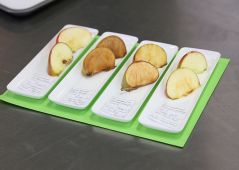
The following methods can be used to preserve fruits and vegetables and stop enzymic browning from happening...
Keep in an airtight container to remove oxygen
Cover with cold water to prevent oxygen mixing with the damaged enzymes
Add an acid which denatures the protein and stops browning taking place
All of the above
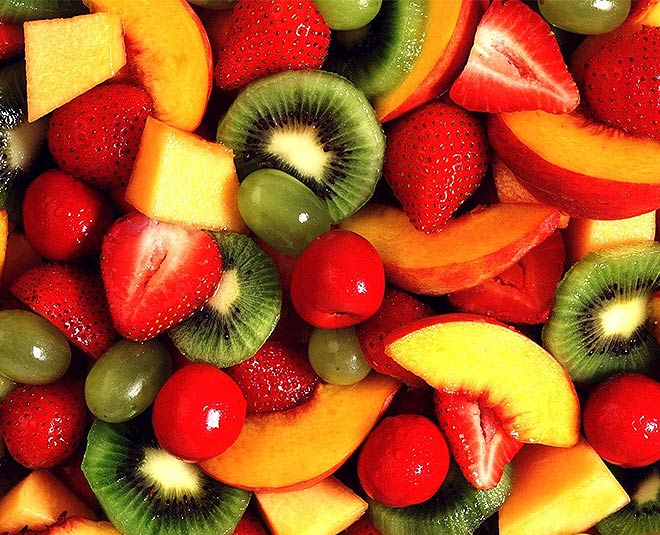
When referring to fruits and vegetables, ripening means...
a fruit changing colour when combined with oxygen
a fruit or vegetable maturing so that it is ready to eat
a fruit that has been picked from a tree
a fruit or vegetable that is unsafe to eat

To cook food in liquid that is just below the boiling point
Boil
Simmer
Burn
Bake

High heat cooking method in which food is cooked over fire or hot coals
BBQ
Roast
Bake
Grill
To cook meat, fish, or poultry in an oven usually in a small amount of oil.
Boil
Grill
Roast
Burn
To beat rapidly to introduce air bubbles into foods such as eggs or cream
Fold
Grill
Whip
Beat
To work together sugar and fat (butter) until the mixture is soft and fluffy
Mix
Whip
Cream
Stir

To cut into small cubes of even size
Dice
Cut Up
Hulk Smash
Chop
To mix ingredients gently by turning one part over another e.g. cake-making, meringues
Mix
Fold
Stir
Shake

To finely cut food in various sizes by rubbing it on this piece of equipment,
Chop
Grill
Pretty Good
Grate

To cut vegetables into long thin strips
Julienne
Dice
Chop
Mince

To remove or strip off the skin or rind of some fruits and vegetables.
Strip
Cut Off
Peel
Grate
Name the method of cooking that uses moisture rising from a pan of boiling water.
deep fat frying
boiling
braising
steaming
Name the method of cooking that uses conduction and convection to cook food in a oven in a light coating of oil.
baking
braising
simmering
stir frying
Food is cooked using which of these;
moisture
oil
dry heat
all of the above
Which sentence best describes conduction;
a person conducts energy by waving a stick
heat energy is transferred by the movement of molecules in either air or water.
Infrared rays travel through the air and cook the surface of whatever they come into contact with.
heat is transferred to a metal, the molecules inside the metal move around and transfer the heat energy.
Which sentence best describes convection
using connective tissue to join two parts
heat energy is transferred by the movement of molecules in either air or water.
Infrared rays travel through the air and cook the surface of whatever it comes into contact with
heat is transferred to a metal, the molecules inside the metal move around and transfer the heat energy.
Why do we cook food?
Improve flavour, taste & texture
all of these
make it safe
improves shelf life
Which of the following are water-based cooking methods?
Steaming
Poaching
Boiling
All of the above
Braising cooks food in a covered pot full of liquid, herbs and vegetables. What are the benefits of braising a beef stew?
Cooks the food
Helps to caramelise the flavours and cook the vegetables
Improves flavour and cooks the meat quickly
Tenderises the meat, improves flavour
Cooking meat slowly affects the chemical structure. What happens?
Proteins denature which tenderises the meat
Carbohydrates caramelise and sweeten the meat
Fats dissolve and help the meat to dextrinise
Gelatinisation occurs in the meat
What are the benefits of steaming vegetables?
Maintains vitamin content
Doesn't discolour the vegetables
Allows vegetables to maintain a firm texture
All of the above
Which is the best method of cooking for retaining the optimum nutrient?
Boiling
Steaming
Shallow frying
Stir-frying
Food comes from plants and animals but what are these categories split into?
Grown, reared and caught food
Grown, caught and bought food
Grown, reared and bought food
Caught, grown and boght
Potatoes are an example of a ............. food.
Reared
Caught
Genetically modified
Grown
Lamb comes from which animal?
Sheep
Cow
Pig
Turkey
Organic farming means is a type of farming that does not include the use of ...
Chemicals
Pesticides
Herbicides
All of the above
Why is it important to cook food that is in season rather than not in season?
It's cheaper
It tastes better and is a higher quality
It reduces food miles
All of the above
Which one of the following bacteria is commonly associated with raw poultry or eggs?
Salmonella
E. coli
Staphylococcus aureus
Clostridium perfringens
What is the minimum time/temperature control required to destroy most bacteria?
75°C for 2 minutes
63°C for 2 minutes
55°C for 2 minutes
82°C for 2 minutes
What is the temperature range between 5-63°c known as?
The highway code
The danger zone
The hygiene rating
The safety zone

What does the Eatwell Guide show us?
The different foods we can eat
How much food we should eat from each food group
The amount of foods that belong to each food group

Which nutrient does the Potatoes, Bread, Rice & Pasta group provide?
Starchy carbohydrates
Protein
Energy
Fat & sugar
What is the main reason that we need to eat protein?
Growth & repair
Fat
Energy
Growing
Which important mineral does the Dairy and alternatives food group provide?
Fat
Iron
Calcium
Strong bones & teeth
Which nutrient does the Beans, Pulses, Fish, Eggs and Meat group provide?
Fat
Dairy foods
Carbohydrates
Protein
Which is the smallest food group on the Eatwell Guide?
Sugars
Oils & spreads
Meat and other proteins
Fats
How many portions of fruit and vegetables should we eat?
5 a week
5 a day
10 a day
2 a day
Which nutrient does the Oil and spreads food group provide?
Energy
Fat
Sugar
Carbohydrates
Why should we eat a "rainbow" of fruits and vegetables?
because different coloured fruit and vegetables provide a wide range of different vitamins and minerals.
because they are different colours
because it's healthy
because they contain Vitamin C

