
 Worksheets
Science 8 LT3 Revision
Total questions: 60
Worksheet time: 45mins
Which of the following charge pairs would repel each other? (Choose all that apply)
positive and negative
negative and negative
positive and positive
negative and positive

What type of circuit is this?
Series
Parallel
Simple
The build up of electric charges on the surface of objects is known as
electricity
static electricity
a circult
electric force
Which of the following is true?
Electric charge is transferred only when all objects have balanced charges.
Electric charge is transferred when electrons move.
Electric charge is transferred when protons move.
Electric charge is transferred when protons and neutrons change places.
These allow electrons to pass through them easily
Conductors
Insulators
Atoms
Nucleus
These do NOT allow electrons to pass through them easily
Conductors
Insulators
Atoms
Nucleus
Which of the following is an example of a CONDUCTOR
A metal tube
A cotton shirt
A rubber tire
A wooden bucket
This is when electrons are rubbed off one object and rubbed onto another
Friction
Conduction
Induction
Grounding neutralizes electric charges by connecting it to the_____
Electroscope
Earth
Tallest building
Ocean
Static discharge is when _____ jump from a charged object to one that is differently charaged
Protons
Neutrons
Electrons

Electrons have a __________ charge.
positive
negative
neutral

Static electricity is an excess build up of __________.
protons
neutrons
electrons

An object becomes electrically charged when the atoms in the object gain or lose
electrons
protons
neutrons
all of the above

The diagram below shows an energy pyramid. In a marine ecosystem, algae carry out photosynthesis. Barracuda eat snapper fish. Reef sharks eat barracuda.
Which organism would be at the top of the energy pyramid?
algae
reef shark
barracuda
snapper fish

The figure below shows a food chain that might exist in a meadow.
Which of the following best describes what the food chain represents?
how an organism might change over time
the movement of organisms throughout the ecosystem
the increase in size among organisms in the ecosystem
the path of energy transfer from producers to consumers

This global food web shows how parts of a meadow ecosystem interact with parts of a marsh ecosystem.
Which of these is a food chain that is part of the global food web?
meadow grass → rabbit → fox → hawk
marsh grass → snail → small fish → hawk
marsh grass → grasshopper → mouse → fox
meadow grass → grasshopper → praying mantis → small fish
Which process do plants use to turn sunlight into food energy?
photosynthesis
cellular respiration
transpiration
evaporation
Which organism is an example of a producer?
moth
mushroom
rose bush
cheetah
Why are mushrooms important to the food chain?
They recycle nutrients into the ecosystem.
They produce food energy for other living things.
They recycle oxygen into the atmosphere.
They consume excess herbivores in the ecosystem.
Maggots feed on dead and decaying organisms for energy. What are maggots?
autotrophs
producers
decomposers
heterotrophs
Which is the primary consumer in this food chain?
snake
grass
rabbit
hawk
Food chains show energy transfer between organisms. The size of a food chain can vary, yet there is a limit to the number of levels that a food chain can reach. Why is there a limit to the number of levels that a food chain can reach?
Plants are not infinite in number.
Producers are limited by consumers.
Carnivores are too large to be eaten.
Energy is lost at each trophic level.

What is shown in the image below?
food chain
trophic chain
food web
energy web
Which is an interconnection of food chains in an ecosystem?
food web
trophic chain
energy web
producer web

organisms that break down dead organic material and wastes
producers
primary consumer
secondary consumer
decomposers

The organisms that eat the primary consumers are called _________?
producers
primary consumer
secondary consumer
tertiary consumer

They are usually herbivores and plant-eaters.
producers
primary consumer
secondary consumer
tertiary consumer

The organisms that eat the secondary consumers are called___________?
producers
primary consumer
second consumer
tertiary consumer
It is a linear sequence of organisms through which nutrients and energy pass as one organism eats another.
Food web
Food Chain
Food cycle
Food waste
They only eat plants.
carnivores
herbivores
vegetarians
omnivores
an organism that mostly eats meat, or the flesh of animals.
carnivore
herbivore
vegetarian
omnivore
an organism that eats plants and animals
carnivore
herbivore
vegetarian
omnivore

As matter moves through a food web, only about 10% of its energy is passed to the next trophic level. Compare the energy pyramids for three different food chains shown below. Which organism receives the SMALLEST amount of energy?
Human
Cow
Fox
Snake

A diagram of a food pyramid is provided showing the energy available at each level. Applying this to a prairie food web, one can conclude that the level with the GREATEST AMOUNT of energy is the one that includes -
grasses, shrubs, and trees
seed-eating birds and other herbivores
coyotes and other large predators
hawks and other birds that eat snakes
In a food pyramid, the amount of energy decreases -
if there are more predators
as it transfers up trophic levels
when decomposers dominate
when there are more producers


The approximate amount of energy that is transferred between each trophic level is:
10%
0.1%
90%
It totally depends on the ecosystem.
What does a pyramid of numbers compare?
the number of individual organisms at each trophic level
the number of individuals in each population
the number of predators and prey in an ecosystem
the number of different populations at each trophic level
Which of the following examples would result in an inversion of a pyramid of numbers?
a tree with thousands of spiders
a forest of trees with a small herd of deer
a tree with a spotted owl
a forest of trees with a pack of wolves

Which one is most likely the pyramid of biomass?
A
B
If only 10% of an organism's energy is available for the next trophic level, what happens with the other 90% of the energy?
It is destroyed after it is used up
It is used for life processes like movement, creating offspring producing waste or lost as body heat
It is used to grow plants
It is lost completely as body heat

Which statement best describes what will happen if the population of herbivores in the community decreases?
the population of foxes will increase
the population of hawks will increase
the population of rabbits will increase
the population of meadow plants will increase
Which of these processes is always exothermic?
A. evaporation
B. burning
C. insulation
D. melting
Equal amounts of four different substances (A-D) were added separately to equal amounts of an acid and a thermometer was placed in the mixture. For which substance is the reaction the most exothermic?
A. temperature rises by 3 °C
B. temperature falls by 5 °C
C. temperature falls by 3 °C
D. temperature rises by 5 °C
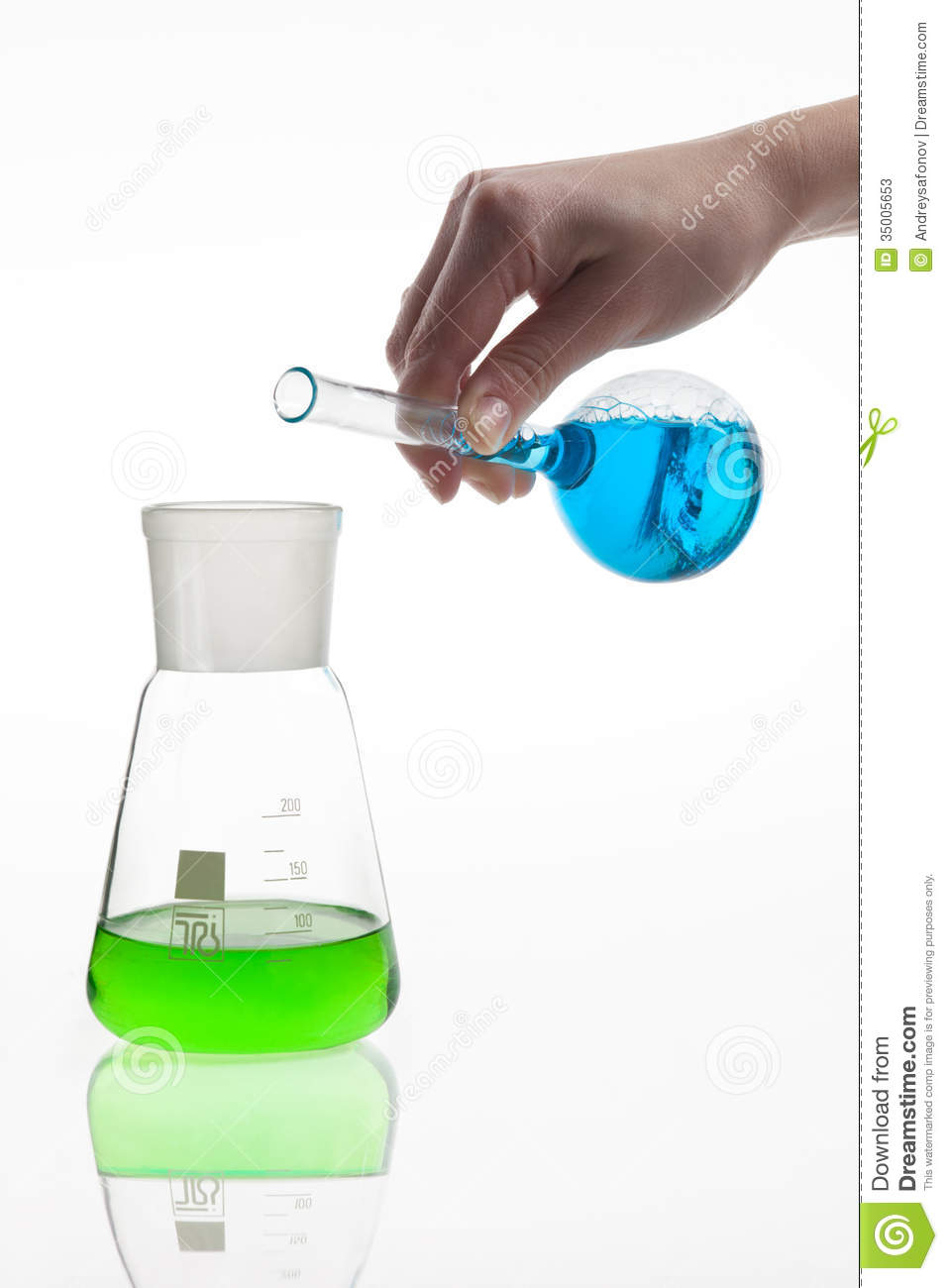
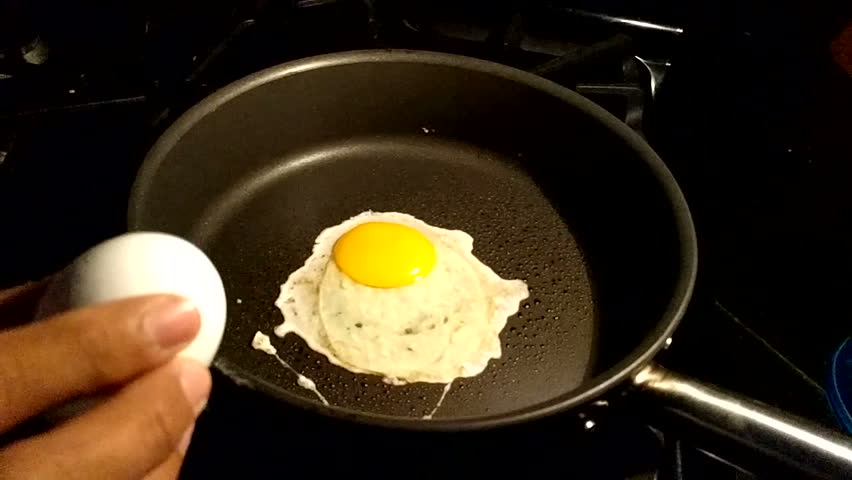
A student mixed two chemicals to allow them to react. The temperature before the reaction was 25 ° C. The temperature after the reaction was 18° C. Which of the following is true?
It is an exothermic reaction
It is an endothermic reaction
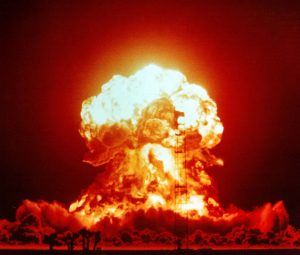

Fireworks are an example of
exothermic
endothermic
both
none

A melting ice cube is an example of
exothermic
endothermic
none
both


Endothermic
Exothermic

Endothermic
Exothermic
What term is given to a reaction which transfers heat energy to the surroundings?
Endothermic
Reversible
Exothermic
Exotermic

