
 Worksheets
MI 1.2
Total questions: 22
Worksheet time: 15mins

Write the correct sequence that matches this chromatogram.
(a)
During a biology class, Daniel, Elijah, and Oliver were studying different types of bacteria. They noticed that one type had a thick peptidoglycan layer in its cell wall. Which type of bacteria were they studying?
Gram positive bacteria
Gram negative bacteria
Olivia is studying bacteria and wants to identify a type of bacteria that has an outer membrane (2nd cell membrane). Which type of bacteria should she focus on?
Gram positive bacteria
Gram negative bacteria

Stained pink
Gram positive bacteria
Gram negative bacteria

Stains purple
Gram positive bacteria
Gram negative bacteria
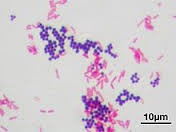
Avery, Lily, and Scarlett are studying for their biology exam. They come across a question about the process where a virus moves genetic material from one bacteria to another. This virus is known as a bacteriophage. What is this process called?
conjugation
transdution
transformation
In our superbug lab, how did the 2 E coli strains transfer their DNA?
conjugation
transformation
tranduction
Process of gene transfer where a cell lysis or bursts & another bacteria takes in the free-floating plasmids DNA
conjugation
transduction
transformation
The process gene transfer where bacteria connect pili to exchange plasmids
conjugation
transformation
transduction
Antibiotic that disrupts DNA gyrase making DNA replication impossible
Penicillins
Tetracyclines
Fluoroquinoline
Sulfonamides
Antibiotic that inhibits the folic acid pathway making folic acid unavailable to the cell
Penicillins
Tetracyclines
Fluoroquinolones
Sulfanamides
Antibiotic that inhibits cell wall formation causing water to rush in and the cell to burst
Penicillins
Tetracyclines
Fluoroquinolones
Sulfonamides
Antibiotic that disrupts the 30s ribosome making protein synthesis stop
Penicillins
Tetracyclines
Fluoroquinolones
Sulfonamides
Sue Smith was infected with what pathogen
viral meningitis
mononucleosis
influenza H1N1
bacterial meningitis
This antibiotic inhibits supercoiling of DNA in bacteria
Beta-Lactams
Fluoroquinolones
Tetracyclines
Sulfonamides

Type question here including an
6
Pili
8
Plasmid
10
Flagella
3
Cell Membrane
2
Cell Wall
Match the type of antibiotic to its mode of action
B-Lactam
interrupt cell wall formation
Fluoroquinolone
interrupts replication of DNA
Tetracycline
interferes with protein synthesis
Sulfonamide
interferes with folic acid synthesis
Match the type of antibiotic with an example of the antibiotic
B-Lactam
penicillins
Fluoroquinolone
ciprofloxacin
Tetracycline
methacycline
Sulfonamide
sulfadiazine

What type of bacteria is on the right?
gram positive
gram negative
Sue had bacterial meningitis, this is considered a (a) Because it was bacterial Sue was given an (b) to treat her illness. It is important that she takes the medicine as directed so the bacteria does not become (c)
It can be very dangerous if bacteria become resistance to antibiotics. What is NOT a cause of antibiotic resistance?
taking antibiotics for a viral infection
taking antibiotics as prescribed by your physician
missing doses of your antibiotic
not finishing your antibiotic because you are better

