
Font size
 Worksheets
Biochemistry Quiz 1
Total questions: 63
Worksheet time: 44mins

What pH does a neutral substance have?
5
6
7
8
What is pH a measure of?
Density
Mass
Hydrogen Ion Concentraion
Polarity
Draw chemical equation of water


Two or more different elements chemically combine to form compounds.
True
False
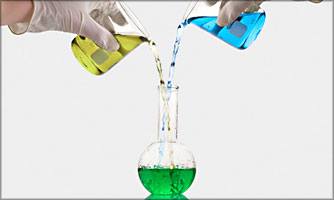
A combination of particles of one or more substance that are distributed uniformly throughout another substance is a/an
Mixture
Substance
Solution

Which is the stronger acid?
pH 1
pH 4
pH 8
pH 13
What is the symbol for Nitrogen?
Ni
N
NI
Ng
What is the symbol for Oxygen?
Ox
OG
O
Og
What is the symbol for Carbon
C
CA
CA
Cb
What is the symbol for Sodium?
S
So
NA
Na
What is the symbol for Calcium?
CA
Ca
C
Cl
What is the symbol for Chlorine?
Ch
Cl
C
CH
Symbol for Hydrogen
Hy
He
h
H
In sweet tea the solvent would be
water
tea
sugar
lemon
Reorder the following from the smaller to the larger
Atom
Molecule
A cell
Bacteria
A virus
What is a solution?
the substance that dissolves in a solvent
a liquid mixture that contains a solute and a solvent
the liquid in which a solute is dissolved to form a solution
mixture of water and solid that does not dissolve
Which of these items will dissolve to form a solution?
sand
salt
sugar
couscous
Water molecules are attracted to other water molecules. They are held together by hydrogen bonds.
Adhesion
Polarity
Cohesion
Solvent
Water molecules are attracted to different substances that have a charge. An example would be water sticking to a leaf.
Adhesion
Cohesion
Polarity
Heat Capacity
Mixture where the components are evenly distributed throughout
solute
solution
solvent
suspension
The hydrogen atom and oxygen atom do not share the electrons equally, resulting in partial charges at the ends of water molecules
Polarity
Cohesion
Adhesion
Heat Capacity


The ability of water molecules to stick to each other, creating surface tension is called:
Cohesion
Adhesion
Insulation
Ph

Which type of repeating pattern?
A) Fractal
B) Tessellation
Where would you find a fractal pattern in nature?
A) In a fern leaf
B) In the branching of a tree
C) In the heart and blood vessels
D) Pretty much every where, if you pay attention.
How can an understanding of fractals be used to describe geography?
A) In the formation of mountain ranges
B) In the flooding pattern of a shoreline
C) In the fault lines where earthquakes frequently occur
D) All of the above

Is this an example of Fibonacci's number sequence in nature?
A) Yes
B) No

The sun gives off __________ energy.
mechanical
electrical
radiant
Which of the following elements are found in all macromolecules? (Select all that apply).


Which of the following are examples of carbohydrates? (Select all that apply).
Bread
Pasta
Olive Oil
Cheese
Which macromolecule stores energy?
Carbohydrates
Proteins
Lipids/Fats
Nucleic Acids

carbohydrate

lipid

protein
Match the MACROMOLECULES and their MONOMERS.
Hint: Monomer = a single unit
carbohydrate
monosaccharide
lipid
fatty acid & glycerol
protein
amino acid
nucleic acid
nucleotide

What is this?
water
DNA
a snake
Match the following MONOMERS and MACROMOLECULES

Nucleic Acid

Protein

Lipid

Carbohydrate
An enzyme is a ______________.
carbohydrate
lipid
nucleic acid
protein

A single hydrogen atom is a molecule.
TRUE
FALSE

H₂O is a compound.
TRUE
FALSE
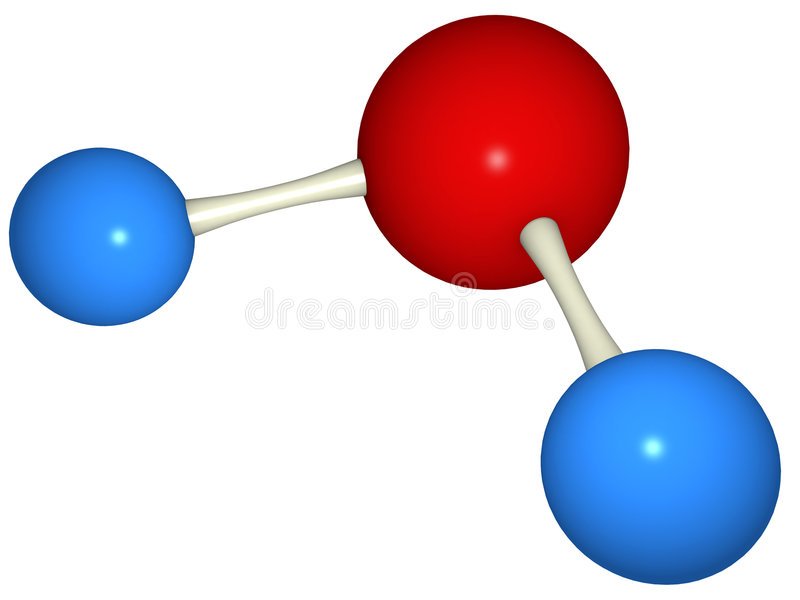

O2 is a compound molecule.
TRUE
FALSE

Element
compound molecules
elemental molecules
Mixture

This picture represents which of the following?
elemental molecule
compound molecule
A mixture in which its composition is the same throughout the mixture and it cannot easily be identified nor separated
Homogenous Mixture
Heterogenous Mixture

Which of the following elements are found in all macromolecules? (Select all that apply).
Which macromolecule is used as our main source of energy?
Lipids/Fats
Nucleic Acids
Proteins
Carbohydrates
Which macromolecule gives LONG-TERM energy?
lipid
carbohydrate
nucleic acid
carbohydrate
lipid
protein
Which food contains mostly carbohydrates?


Identify the products in the chemical equation.
carbon dioxide
water
glucose
oxygen

