wayground logo

Free Printable Worksheets

Font size

S
M
L
XL
Worksheets

7.5 Molecular Geometry Bank

Total questions: 122

Worksheet time: 1hrs 25mins

Name
Class
Date
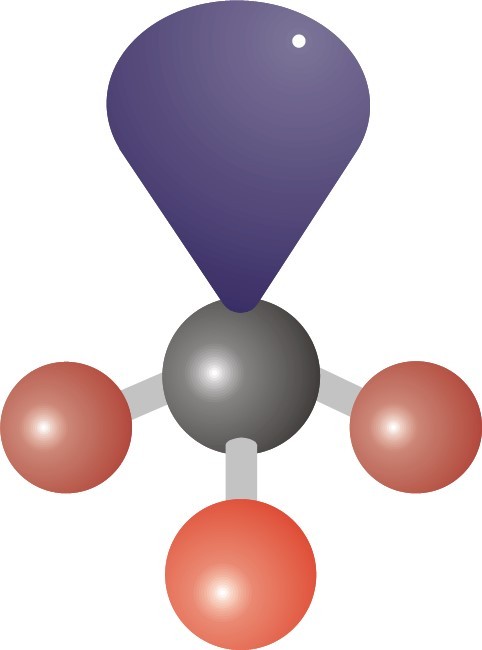
1.
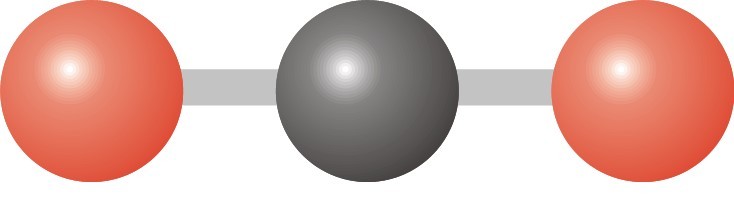
Choose the correct shape for this molecule:
a)
Trigonal planar
b)
Trigonal pyramidal
c)
Bent
d)
Linear
2.
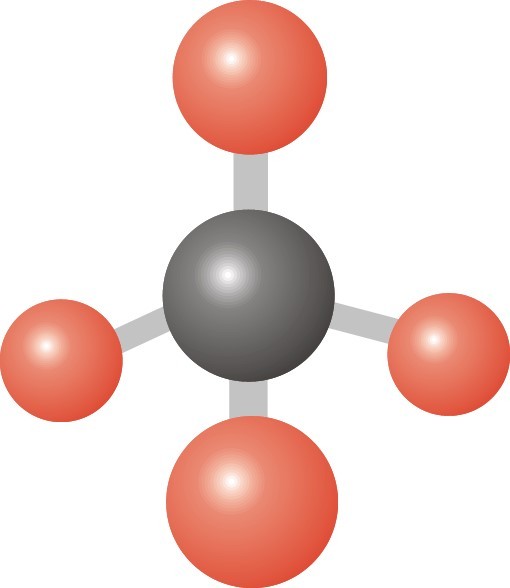
Choose the correct shape for this molecule:
a)
Bent
b)
Trigonal pyramidal
c)
Trigonal planar
d)
Linear
3.
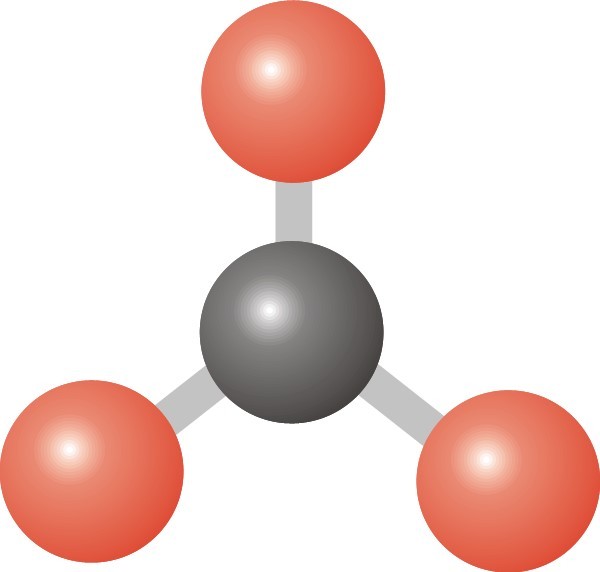
Choose the correct shape for this molecule:
a)
linear
b)
Trigonal pyramidal
c)
Bent
d)
Tetrahedral
4.
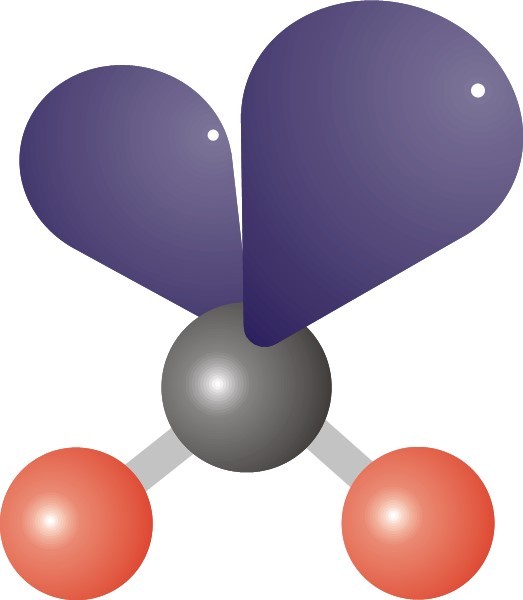
Choose the correct shape for this molecule:
a)
Bent
b)
Linear
c)
Tetrahedral
d)
Trigonal pyramidal
5.

What is MOLECULAR GEOMETRY of this molecule?

a)

Bent

b)

Trigonal Pyramidal

c)

Tetrahedral

d)

Linear

6.

What is MOLECULAR GEOMETRY of this molecule?

a)

Bent

b)

Trigonal Pyramidal

c)

Tetrahedral

d)

Linear

7.

What is MOLECULAR GEOMETRY of this molecule?

a)

Bent

b)

Trigonal Pyramidal

c)

Tetrahedral

d)

Octahedral

8.

What is MOLECULAR GEOMETRY of this molecule?

a)

Linear

b)

Trigonal Pyramidal

c)

Tetrahedral

d)

Octahedral

9.

What is MOLECULAR GEOMETRY of this molecule?

a)

Linear

b)

Trigonal Pyramidal

c)

Tetrahedral

d)

Octahedral

10.

What is MOLECULAR GEOMETRY of this molecule?

a)

Linear

b)

See-saw

c)

Tetrahedral

d)

Octahedral

11.

What is MOLECULAR GEOMETRY of this molecule?

a)

Linear

b)

See-saw

c)

Square Planar

d)

Octahedral

12.

What is MOLECULAR GEOMETRY of this molecule?

a)

Linear

b)

See-saw

c)

Square Pyramidal

d)

Octahedral

13.

What is MOLECULAR GEOMETRY of this molecule?

a)

Linear

b)

T-Shaped

c)

Square Pyramidal

d)

Octahedral

14.

What is MOLECULAR GEOMETRY of this molecule?

a)

Trigonal Pyramidal

b)

T-Shaped

c)

Square Pyramidal

d)

Octahedral

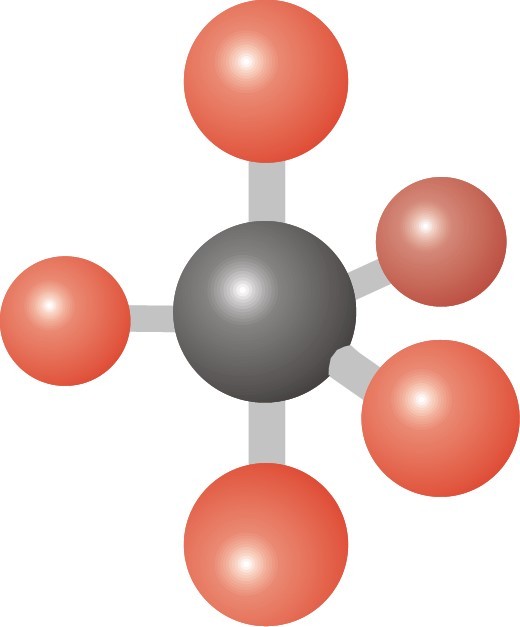
15.
Which molecule would have this molecular geometry?
a)
BF3
b)
CH4
c)
PCl5
d)
CO2
16.
Who could this molecule be?
a)
CH4
b)
CO2
c)
PCl5
d)
BF3
17.

What molecular geometry would PH3 have?

a)

Trigonal Pyramidal

b)

Trigonal Bipyramidal

c)

Bent

d)

Linear

18.

What shape would this have?

a)

Trigonal planar

b)

Pyramidal

c)

Tetrahedral

d)

Bent

19.
The bond angle for a trigonal planar molecule is 
a)
90 Degrees
b)
109.5 Degrees
c)
120 Degrees
d)
180 Degrees
20.
What molecular shape is the structure shown here? (H2O)
a)
tetrahedral
b)
trigonal planar
c)
bent
d)
trigonal pyramidal
21.
What is the measure of a tetrahedral bond angle?
a)
90 Degrees
b)
109.5 Degrees
c)
120 Degrees
d)
180 Degrees
22.
Which of the following molecular shapes would have a bond angle of 180 Degrees?
a)
Bent
b)
Trigonal Planar
c)
Tetrahedral
d)
Linear
23.

Which shape would the molecule shown have?

a)
linear
b)
trigonal planar
c)
trigonal pyramid
d)
bent of angular
24.
What molecular shape is the structure shown here? (BeCl2)
a)
linear
b)
bent
c)
trigonal planar
d)
tetrahedral
25.

Identify the molecule structure

a)

Bent

b)

Linear

c)

Trigonal Planar

d)

Pyramidal

26.

What is the name of this VSEPR shape?

a)

trigonal planar

b)

bent

c)

tetrahedral

d)

trigonal pyramidal

27.

Who is the name of this VSEPR shape?

a)

trigonal planar

b)

tetrahedral

c)

bent

d)

trigonal pyramidal

28.

Choose the correct shape for the molecule NH3:

a)
Trigonal planar
b)
Trigonal pyramidal
c)
Tetrahedral
d)
Linear
29.
Who could this be? 
a)
CO2
b)
NH3
c)
H2S
d)
CH4
30.
Who could this be?
a)
H2O
b)
NH3
c)
CO2
d)
CH4
31.
What molecule could this be? 
a)
H2O
b)
CCl4
c)
PCl5
d)
NaCl
32.
The bond angle for a trigonal planar molecule is 
a)
90 Degrees
b)
109.5 Degrees
c)
120 Degrees
d)
180 Degrees
33.
What is the VSEPR theory used to predict?
a)
Bond Strength
b)
Polarity
c)
Molecular Shape
d)
Electronegativity
34.
According to VSEPR, molecules adjust their shapes to keep which of the following as far away as possible?
a)
Pairs of valence electrons
b)
Inner shell electrons
c)
Mobile Electrons
d)
Electrons closest to the nucleus
35.
What is the measure of a tetrahedral bond angle?
a)
90 Degrees
b)
109.5 Degrees
c)
120 Degrees
d)
180 Degrees
36.
Which of the following shapes has unshared pairs of electrons on the central atom? 
a)
Bipyramidal
b)
Bent
c)
Trigonal Planar
d)
Tetrahedral
37.
Which molecule would have this shape?
a)
BF3
b)
CH4
c)
PCl5
d)
CO2
38.
Which of the following molecular shapes would have a bond angle of 180 Degrees?
a)
Bent
b)
Trigonal Planar
c)
Tetrahedral
d)
Linear
39.
What molecule could this be? 
a)
BF3
b)
CH4
c)
H2O
d)
CO2
40.
The bond angle for a trigonal planar molecule is 
a)
90 Degrees
b)
109.5 Degrees
c)
120 Degrees
d)
180 Degrees
41.
Which shapes are altered by unshared pairs of electrons? 
a)
Bent and Pyramidal
b)
Trigonal Planar and Bent
c)
Tetrahedram and Bipyramidal
d)
Pyramidal and Linear
42.

How many unshared pairs of electrons will a bent molecule have?

a)

0

b)

2

c)

3

d)

4

43.
How many unshared pairs of electrons will a pyramidal molecule have? 
a)
1
b)
2
c)
3
d)
4
44.

What is the bond angle for a trigonal pyramidal molecule?

a)

90

b)

107

c)

109.5

d)

120

45.

What is the bond angle in a bent molecule?

a)

90

b)

109.5

c)

107

d)

180

46.
Who could this molecule be?
a)
CH4
b)
CO2
c)
PCl5
d)
BF3
47.
Who could this be? 
a)
CO2
b)
NH3
c)
H2S
d)
CH4
48.
Who could this be?
a)
H2O
b)
NH3
c)
CO2
d)
CH4
49.

What shape would PH3 have?

a)

Trigonal Planar

b)

Trigonal pyramidal

c)

Bent

d)

Linear

50.
How many unshared pairs of electrons will a pyramidal molecule have? 
a)
1
b)
2
c)
3
d)
4
51.
What is the bond angle for this molecule?
a)
109.5
b)
120
c)
107
d)
90
52.
Will this molecule be polar or nonpolar? PH3
a)
polar
b)
nonpolar
53.
Will this molecule be polar or nonpolar? CS2
a)
polar
b)
nonpolar
54.
 A lone pair is defined as
a)
A pair of bonding electrons
b)
One non-bonding electron
c)
A pair of non-bonding electrons
d)
A pair of electrons on the central atom
55.
What is the VSEPR theory used to predict?
a)
Bond Strength
b)
Polarity
c)
Molecular Shape
d)
Electronegativity
56.
Which of the following shapes has an unshared pairs of electrons on the central atom? 
a)
Bipyramidal
b)
Bent
c)
Trigonal Planar
d)
Tetrahedral
57.
Which molecule would have this molecular geometry?
a)
BF3
b)
CH4
c)
PCl5
d)
CO2
58.
What molecule could this be? 
a)
BF3
b)
CH4
c)
H2O
d)
CO2
59.
Who could this molecule be?
a)
CH4
b)
CO2
c)
PCl5
d)
BF3
60.
Who could this be?
a)
H2O
b)
NH3
c)
CO2
d)
CH4
61.

What molecular geometry would PH3 have?

a)

Trigonal Pyramidal

b)

Trigonal Bipyramidal

c)

Bent

d)

Linear

62.
How many lone pairs of electrons are on the P atom in PF3?
a)
1
b)
2
c)
3
d)
0
63.
A molecule with a lone pair on the central atom would have the same electron and molecular geometry
a)
True
b)
False
64.

Is this molecule polar?

a)

No

b)

Yes

65.
According to VSEPR, molecules adjust their shapes to keep which of the following as far away as possible?
a)
Pairs of valence electrons
b)
Inner shell electrons
c)
Mobile Electrons
d)
Electrons closest to the nucleus
66.
Which of the following molecular shapes would have a bond angle of 180 Degrees?
a)
Bent
b)
Trigonal Planar
c)
Tetrahedral
d)
Linear
67.
Will this molecule be polar or nonpolar? CS2
a)
polar
b)
nonpolar
68.

What shape would this have?

a)

Trigonal planar

b)

Pyramidal

c)

Tetrahedral

d)

Bent

69.
How many electrons are shared in a triple bond?
a)
6
b)
3
c)
6 pairs
d)
5
70.
What is the shape of H2O?
a)
linear
b)
tetrahedral
c)
bent
d)
trigonal pyramidal
71.
VSEPR stands for ________ theory.
a)
Valence Structure of Electron Pyramids and Regression
b)
Varied Structures of Electrons Paired and Replaced
c)
Varied Shell Energy of Protons and Radiation
d)
Valence Shell Electron Pair Repulsion
72.
What is the VSEPR theory used to predict?
a)
Bond Strength
b)
Polarity
c)
Molecular Shape
d)
Electronegativity
73.
Which molecule would have this molecular geometry?
a)
BF3
b)
CH4
c)
PCl5
d)
CO2
74.
Who could this molecule be?
a)
CH4
b)
CO2
c)
PCl5
d)
BF3
75.

What shape would this have?

a)

Trigonal planar

b)

Pyramidal

c)

Tetrahedral

d)

Bent

76.
What molecular shape is the structure shown here? (H2O)
a)
tetrahedral
b)
trigonal planar
c)
bent
d)
trigonal pyramidal
77.
Which of the following molecular shapes would have a bond angle of 180 Degrees?
a)
Bent
b)
Trigonal Planar
c)
Tetrahedral
d)
Linear
78.

The acronym VSEPR stand for

a)

very strong electron pair repulsion.

b)

varied symmetry electrostatic proton reaction.

c)

venomous snakes enjoy pink ribbons.

d)

valence shell electron pair repulsion.

79.

VSEPR theory is used to predict

a)

the number of unshared pairs of electrons in a Lewis structure.

b)

the number of multiple bonds in a Lewis structure.

c)

the three-dimensional geometry of a molecule.

d)

the three-dimensional crystal lattice structure of ionic compounds.

80.

Molecules such as boron trichloride that have three bonded atoms and no unshared pairs have what shape?

a)

trigonal planar

b)

trigonal pyramidal

c)

trigonal bipyramidal

d)

tetrahedral

81.

Which shape would the molecule shown have?

a)
linear
b)
trigonal planar
c)
trigonal pyramid
d)
bent of angular
82.
What molecular shape is the structure shown here? (BeCl2)
a)
linear
b)
bent
c)
trigonal planar
d)
tetrahedral
83.

Identify the molecule structure

a)

Bent

b)

Linear

c)

Trigonal Planar

d)

Pyramidal

84.

What is the name of this VSEPR shape?

a)

trigonal planar

b)

bent

c)

tetrahedral

d)

trigonal pyramidal

85.

Who is the name of this VSEPR shape?

a)

trigonal planar

b)

tetrahedral

c)

bent

d)

trigonal pyramidal

86.
SiClhas what shape?
a)

linear

b)

pyramidal

c)
tetrahedral
d)

trigonal planar

87.

The acronym VSEPR stand for

a)

very strong electron pair repulsion.

b)

varied symmetry electrostatic proton reaction.

c)

venomous snakes enjoy pink ribbons.

d)

valence shell electron pair repulsion.

88.

VSEPR theory is used to predict

a)

the number of unshared pairs of electrons in a Lewis structure.

b)

the number of multiple bonds in a Lewis structure.

c)

the three-dimensional geometry of a molecule.

d)

the three-dimensional crystal lattice structure of ionic compounds.

89.

Any molecule with only two atoms must be linear. Three-atom molecules such as BeCl2 can also be linear. For linear molecules, the bond angle is

a)

360°360\degree

b)

180°180\degree

c)

120°120\degree

d)

90°90\degree

90.

Molecules such as boron trichloride that have three bonded atoms and no unshared pairs have what shape?

a)

trigonal planar

b)

trigonal pyramidal

c)

trigonal bipyramidal

d)

tetrahedral

91.
Which molecule would have this molecular geometry?
a)
BF3
b)
CH4
c)
PCl5
d)
CO2
92.
What molecule could this be? 
a)
BF3
b)
CH4
c)
H2O
d)
CO2
93.
Who could this be? 
a)
CO2
b)
NH3
c)
H2S
d)
CH4
94.

What molecular geometry would PH3 have?

a)

Trigonal Pyramidal

b)

Trigonal Bipyramidal

c)

Bent

d)

Linear

95.

What shape would this have?

a)

Trigonal planar

b)

Pyramidal

c)

Tetrahedral

d)

Bent

96.
How many lone pairs are in this molecule's structure?
a)
6
b)
2
c)
0
d)
4
97.
According to VSEPR, molecules adjust their shapes to keep which of the following as far away as possible?
a)
Pairs of valence electrons
b)
Inner shell electrons
c)
Mobile Electrons
d)
Electrons closest to the nucleus
98.
*
a)
linear
b)
trigonal planar
c)
trigonal pyramid
d)
bent of angular
99.
What is the measure of a tetrahedral bond angle?
a)
90 Degrees
b)
109.5 Degrees
c)
120 Degrees
d)
180 Degrees
100.
What molecular shape is the structure shown here? (BeCl2)
a)
linear
b)
bent
c)
trigonal planar
d)
tetrahedral
101.

What shape is shown here?

a)

Octahedral

b)

Tetrahedral

c)

Trigonal bipyramidal

d)

Seesaw

102.

Identify the molecule structure

a)

Bent

b)

Linear

c)

Trigonal Planar

d)

Pyramidal

103.
Choose the correct shape for this molecule:
a)
Trigonal planar
b)
Trigonal pyramidal
c)
Bent
d)
Linear
104.
Choose the correct shape for this molecule:
a)
Bent
b)
Trigonal pyramidal
c)
Trigonal planar
d)
Linear
105.
Choose the correct shape for this molecule:
a)
linear
b)
Trigonal pyramidal
c)
Bent
d)
Tetrahedral
106.
According to VSEPR, molecules adjust their shapes to keep which of the following as far away as possible?
a)
Pairs of valence electrons
b)
Inner shell electrons
c)
Mobile Electrons
d)
Electrons closest to the nucleus
107.

What is MOLECULAR GEOMETRY of this molecule?

a)

Bent

b)

Trigonal Pyramidal

c)

Tetrahedral

d)

Linear

108.

What is MOLECULAR GEOMETRY of this molecule?

a)

Bent

b)

Trigonal Pyramidal

c)

Tetrahedral

d)

Linear

109.

What is MOLECULAR GEOMETRY of this molecule?

a)

Bent

b)

Trigonal Pyramidal

c)

Tetrahedral

d)

Octahedral

110.

What is MOLECULAR GEOMETRY of this molecule?

a)

Linear

b)

Trigonal Pyramidal

c)

Tetrahedral

d)

Octahedral

111.

What is MOLECULAR GEOMETRY of this molecule?

a)

Linear

b)

Trigonal Pyramidal

c)

Tetrahedral

d)

Octahedral

112.

What is MOLECULAR GEOMETRY of this molecule?

a)

Linear

b)

See-saw

c)

Tetrahedral

d)

Octahedral

113.

What is MOLECULAR GEOMETRY of this molecule?

a)

Linear

b)

See-saw

c)

Square Planar

d)

Octahedral

114.
What geometry will this molecular structure have?: H2S
a)
bent
b)
tetrahedral
c)
linear
d)
trigonal pyramidal
115.

Determine the molecular geometry of the given structure.

a)

Trigonal Pyramidal

b)

Trigonal Bipyramidal

c)

Trigonal Planar

d)

Tetrahedral

116.

The geometry of a molecule with 3 bonded pairs of electrons and 0 lone pairs of electrons, AB3

a)

Tetrahedral

b)

Trigonal Planar

c)

Bent

d)

Trigonal Pyramidal

e)

Linear

117.

The geometry of a molecule with 2 bonded pairs of electrons and 2 lone pairs of electrons, AB2E2

a)

Tetrahedral

b)

Trigonal Planar

c)

Bent

d)

Trigonal Pyramidal

e)

Linear

118.
*
a)
linear
b)
trigonal planar
c)
trigonal pyramid
d)
bent of angular
119.
What is the shape of H2O?
a)
linear
b)
tetrahedral
c)
bent
d)
trigonal pyramidal
120.
Who could this be?
a)
H2O
b)
NH3
c)
CO2
d)
CH4
121.
Who could this be? 
a)
CO2
b)
NH3
c)
H2S
d)
CH4
122.

What is the molecular geometry of CO2?

a)

Bent

b)

Trigonal planar

c)

Trigonal pyramidal

d)

Linear