
 Worksheets
4.2 Chemistry Unit Review - Long version
Total questions: 120
Worksheet time: 2hrs 44mins
Which elements are shiny?
metals only
nonmetals only
metals and nonmetals
metals and MAYBE metalloids

Which elements are to the right of the zig zag?
metals
nonmetals
metalloids
You discovered in the lab that silicon is:
metal
metalloid
nonmetal

Sulfur is considered:
malleable
brittle
ductile
a good conductor
How did you find out if an element is a good conductor?
it lit up a light bulb
hit it with a hammer
bubbled in the presence of acid
turned black
ductile means...
can be made into wire
can be bent or hammered
can light up a light bulb
it's shiny
copper can be used to make statues like the statue of liberty
therefore copper is malleable
therefore copper is ductile
therefore copper is shiny
therefore copper is a conductor
Which of the metals was the most reactive?
magnesium
zinc
copper
aluminum
Which of these was NOT a conductor?
sulfur
magnesium
zinc
aluminum
Substances that can be hammered into thin sheets are:
metals
nonmetals
both metals and nonmetals

Which elements are to the LEFT of the zigzag?
metals
nonmetals
metalloids

Which elements are colored red?
nonmetals
metals
metalloids

The darkest shaded area on the periodic table is known as-
Metals
Nonmetals
Metalloids
Rare Earth Elements

The lightest shaded area on the periodic table is known as-
Metals
Nonmetals
Metalloids
Rare Earth Metals

The gray staircase is known as-
Metals
Nonmetals
Metalloids
Rare Earth Metals

The substances listed on the right side of a chemical equation are the
Yields
Reactants
Products
Precipitates

CaCO3 represents a chemical
Symbol
Formula
Subscript
Reaction

How many Oxygen (O) atoms are in 2C2HO8Cl2
2
16
8
5

How many Hydrogen (H) atoms are in NH3O5
3
4
5
1

How many elements are in C6H12O6?
1
2
3
4
------ are poor conductors of heat and electricity
Transition metals
All metals
Non metals
Copper
Boron is an example of
Metalloid
Metal
Non metal
Inert gas
Some elements in this group are synthetic and radioactive
Transition Metals
Rare earth metals
Alkaline earth metals
Alkali metals

Which of the following is a Nonmetal?
Sulfur
Gold
Iron
Calcium
The is family has properties of both metals and nonmetals.
Alkali
Halogens
Nonmetals
Metalloids
This type of element is dull, brittle solids and gases, insulators, poor conductors of heat and electricity, as well as having low melting points.
metals
metalloids
nonmetals
Sulfur is a...
metal
nonmetal
metalloid
Which of the following best describes metalloids?
Elements that are always gases
Elements that have properties of both metals and nonmetals
Elements that are only found in compounds
Elements that are always shiny and malleable
What does luster describe?
The ability of a substance to conduct electricity
The way the surface of a substance shines or reflects light
The ability of a material to be reshaped
The arrangement of atoms in a molecule
Scandium is silver, metallic, soft and ductile when mixed with other metals, never found in large amounts, and found mixed with other elements. Used in alloys for sports equipment, aerospace applications, and fuel cells. Based on these properties, scandium would be classified as a–
Metal
Metalloid
Nonmeta
Rare Earth Element
Rare earth elements are found in small amounts, mixed with other elements
True
False
Rare earth elements are used in many technologies, such as smartphones, digital cameras, and flat-screen TVs
True
False
Rare earth elements are found in the lanthanides row of the Periodic Table except for the elements scandium and yttrium
True
False
Which one is the coefficient 4H2O?
4
H
2
O
How many atoms are there TOTAL in H2SO4
6
5
7
A subscript is the small number below the element symbol that tells the number of _______ of that element.
atoms
protons
valence electrons
A capital letter or combination of a capital letter and a small letter that is used to represent an element is called a(n) ________
element
subscript
coefficient
Which one is the subscript 4H2O
4
H
2
O
How many Hydrogen atoms are in 4H2O?
8
12
4

H2 + O2 --> H2O
Fe + S --> FeS
Fe + S --> FeS
2H2 + O2 --> 2H2O
2H2 + O2 --> 2H2O

Which of the following equations follows the law of conservation of mass?
2Na + Cl --> NaCl
C2H4 + 3O2 --> 2CO2 + 2H2O
C + 4H2 --> CH4
3H2O --> 3H2 +3O2
Which of the following would be evidence that a chemical change took place?
Click all that apply.
A solid melts at 200oC
A precipitate is formed
A rock breaks in half
Sugar Dissolves in Kool-Aid
Light and heat are produced when a log burns
Occur when one or more substances are converted to one or more different substances. When this happens, we can observe chemical changes.
Chemical Equations
Chemical Reactions
Products
Reactants
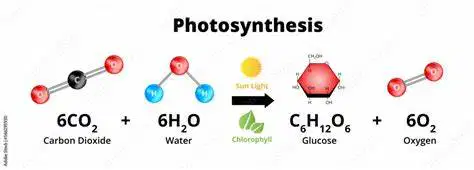
Number of oxygen atoms on the product side.
2
12
8
18

Number of Hydrogen atoms on the product side.
12
1
6
18

How many oxygen atoms on the reactant side?
1
2
3
4

What are the reactants of the chemical reaction shown in the illustration.
oxygen, iron and water
oxygen and iron
water and iron
rust

Is this equation balanced?
Yes
No

Is this equation balanced?
Yes
No

Is this equation balanced?
Yes
No
What is the TOTAL number of atoms in the chemical formula C12H22O11 ?
12
22
11
45
Which of the following substances CANNOT be broken down into simpler substance? ?
Na
H2O
C6H12O6
CO
How does a balanced chemical equation satisfy the Law of Conservation of Mass?
During a chemical reaction, matter is destroyed.
During a chemical reaction, the total number of atoms increases.
During a chemical reaction, one or more new substances are formed.
During a chemical reaction, the total amount of matter stays the same.
What happens to the total mass of the substances after a chemical reaction?
It decreases.
It increases.
It remains the same.
It increases then decreases.
Jin bought a heat pack that weighs 15 g. He shook it so it would release heat to warm his hands. The release of heat indicates a chemical reaction took place in a closed system. What would be the mass of the heat pack after the chemical reaction?
5 g
10 g
12 g
15 g
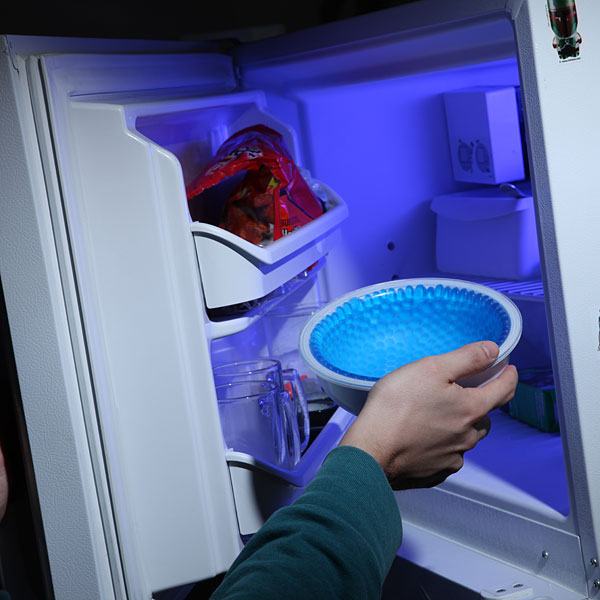
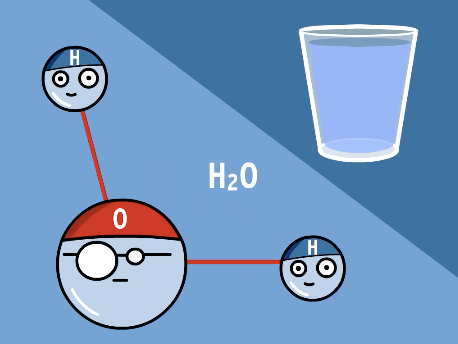
4 grams of hydrogen and 32 grams of oxygen will combine to form:
36 grams of water
28 grams of hydroxide
32 grams of oxygen
36 grams of deuterium




Surface tension is the property of water in which...
water molecules at the surface tend to stick together.
water spills easily.
water tends to be see-through.
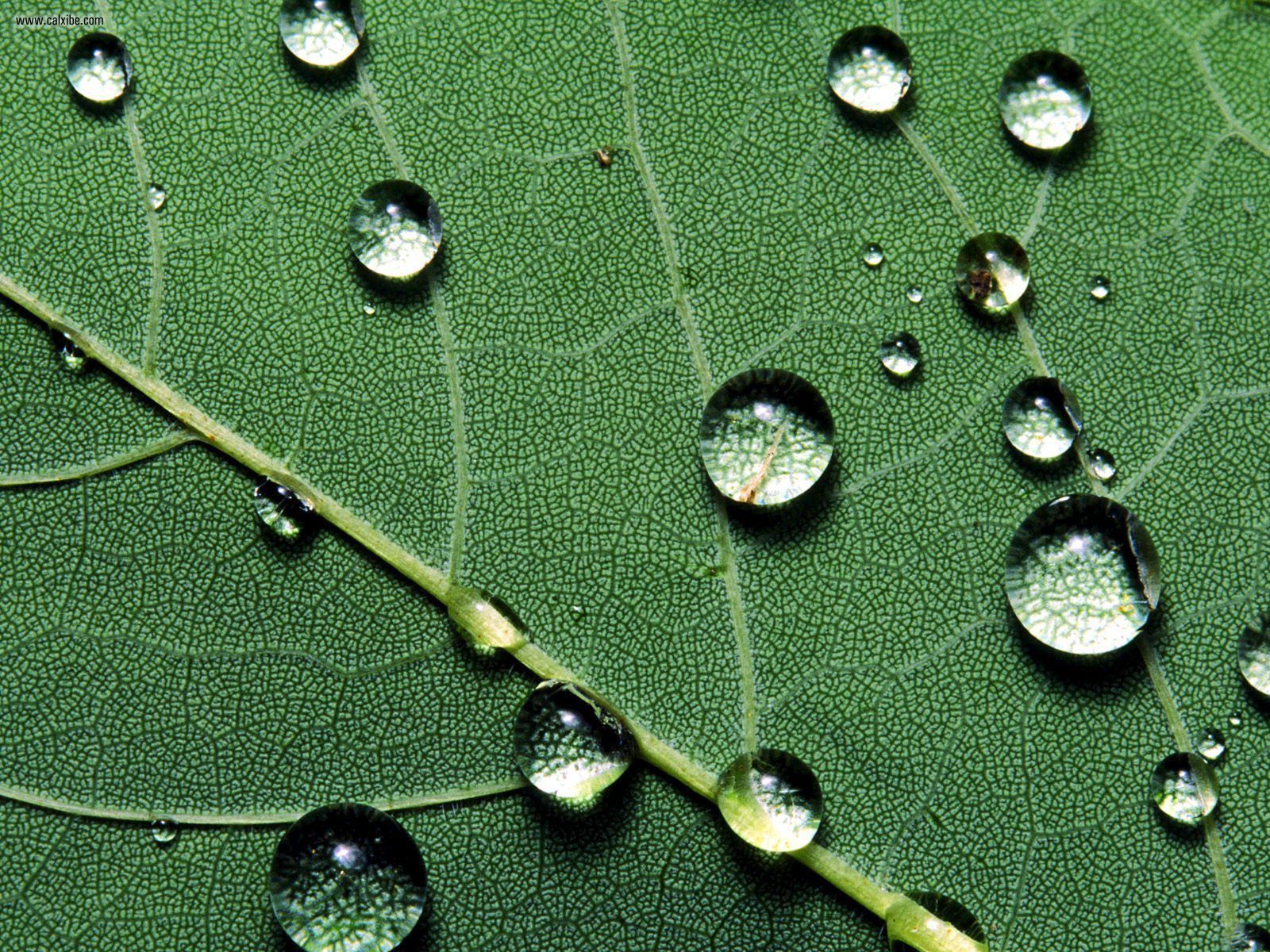
Refer to the picture of water sticking to a leaf; this is occurring because of:
Adhesion
Cohesion
Describe COHESION.
Water molecules attracted to other substances.
Water molecules climbing upwards against the force of gravity.
Water molecules dissolving many substances because of its polarity.
Water molecules attracted to other water molecules.


Water's ability to stick to glass is
adhesion
cohesion
surface tention
capillary action
1-10
A substance that is more basic has a _____ pH than a substance that is acidic.
In a test of pH levels, a baking soda has a pH of 9 and bleach has a pH of 12. What is true about there relationship?
Both of the solution are Bases
Both of the solution are Acids
The Baking soda is an acid and the Bleach is a base
The baking soda is a base and the Bleach is an Acid.


Which of the following is the strongest acid?
1
5
3
8
Which of the following is the strongest base?
4
14
7
15
An acidic solution has a
higher concentration of hydrogen ions than hydroxide ions
higher concentration of hydroxide ions than hydrogen ions
equal concentration of hydrogen ions and hydroxide ions
What is matter?
Anything that has mass and takes up space
Velocity divided by time
The amount of space an object takes up
The weight of an object
Which of the following would be considered a Homogeneous mixture?
Sweet Tea
Vegetable soup
Caesar salad
Mud
Which of the following would be considered a Heterogeneous mixture?
Trail Mix
Oxygen
Air
Pure, Distilled Water
What is the definition of a mixture?
2+ different substances physically combined
2+ different elements chemically combined
matter with a uniform and definite composition
Which of the following are examples of ELEMENTS?
Select all that apply!
H2O
O2
Au
Fe
Trail Mix
Which of the following are examples of COMPOUNDS?
Select all that apply!
H2O
O2
Blood
Fe
C6H12O6

Mixture or Pure Substance?
Mixture
Pure Substance

Mixture or Pure Substance?
Mixture
Pure Substance

Mixture or Pure Substance?
Mixture
Pure Substance

