
 Worksheets
Cell Division
Total questions: 84
Worksheet time: 2hrs 45mins


Which phase of Mitosis is shown here?
Cytokinesis
Anaphase
Telophase
Prophase

In humans, the haploid number of chromosomes is ____.
23
46
69
92
Normal cellular activities, such as protein synthesis, occur primarily during …
Prophase
Metaphase
Anaphase
Interphase

This is part of mitosis. Describe what is happening here.

The structures labeled B are
centrioles
chromatids
centromeres
chromopheres
How does your body grow as you get older?
Your cells fill with water, and get bigger.
Your cells divide, producing new cells.
Your cells elongate.
Your cells combine with one another.
Which one is the correct statement of mitosis?
All daughter cells have different characteristics compared to parent cell
Chromosome number reduced
All daughter cells have identical characteristics as parent cell
happened in gametes
Example of haploid cell
sperm cell
brain cell
liver cell
skin cell
DNA replication happens in ______
interphase
prophase
metaphase
anaphase
prophase:
a stage of mitosis during which exact copies of chromosomes are made
third stage of mitosis; chromosomes become visible and centrioles move towards moles
second stage of mitosis; chromosomes become visible and centrioles move towards poles
first stage of mitosis; chromosomes become visible and centrioles move towards poles
fourth stage of mitosis; chromosomes at opposite poles, spindle fibers break down, and a nuclear envelope forms around both sets of chromosomes
telophase:
a stage of mitosis during which exact copies of chromosomes are made
third stage of mitosis; chromosomes become visible and centrioles move towards moles
second stage of mitosis; chromosomes become visible and centrioles move towards poles
first stage of mitosis; chromosomes become visible and centrioles move towards poles
fourth stage of mitosis; chromosomes at opposite poles, spindle fibers break down, and a nuclear envelope forms around both sets of chromosomes
metaphase:
a stage of mitosis during which exact copies of chromosomes are made
third stage of mitosis; chromosomes become visible and centrioles move towards moles
second stage of mitosis; chromosomes become visible and centrioles move towards poles
first stage of mitosis; chromosomes become visible and centrioles move towards poles
fourth stage of mitosis; chromosomes at opposite poles, spindle fibers break down, and a nuclear envelope forms around both sets of chromosomes
anaphase:
a stage of mitosis during which exact copies of chromosomes are made
third stage of mitosis; chromosomes become visible and centrioles move towards moles
second stage of mitosis; chromosomes become visible and centrioles move towards poles
first stage of mitosis; chromosomes become visible and centrioles move towards poles
fourth stage of mitosis; chromosomes at opposite poles, spindle fibers break down, and a nuclear envelope forms around both sets of chromosomes
interphase:
a stage of mitosis during which exact copies of chromosomes are made
third stage of mitosis; chromosomes become visible and centrioles move towards moles
second stage of mitosis; chromosomes become visible and centrioles move towards poles
first stage of mitosis; chromosomes become visible and centrioles move towards poles
fourth stage of mitosis; chromosomes at opposite poles, spindle fibers break down, and a nuclear envelope forms around both sets of chromosomes
poles:
opposite ends of a cell
to make an exact copy of
to line up

When do spindle fibers first become visible?
Telophase
Metaphase
Anaphase
Prophase

During which stage does the G1, S and G2 phases happen?
Anaphase
Mitosis
Prophase
Interphase
Which is one of the stages of mitosis?
Cytokinesis
Interphase
Prophase
Meiosis

What phase is this?
Prophase
metaphase
anaphase
telephase
Cytokinesis is the division of the.....what?
nucleus
chromosomes
cell/cytoplasm
division of labor!
A good way to remember the stages of cell division is:
AMPT
ATMP
PMAT
PMA
How many chromosomes are in each human cell?
1
146
46
1,000,000
In what stage do the chromosomes line up along the equator of the cell?
interphase
prophase
metaphase
anaphae
Division of the cells nucleus
5% of the cells life cycle
Prophase
Interphase
Mitosis
Anaphase
Programed cell death
Chromosome
Metaphase
Interphase
Apoptosis
Extend from centriole and pull sister chromatids apart
Spindle Fibers
Replication
Centriole
Interphase
During what phase of the cell cycle is DNA replicated?
G1 phase
G2 phase
S phase
M phase
If there are 20 chromosomes in the nucleus before mitosis how many will there be in each new daughter cell after cytokinesis?
20
10
40
200
During Prophase what happens to the nucleus?
The nucleus reforms
The nucleus does not change
The nucleus disintegrates.
Chromosomes contain what?
FBI
RNA
mRNA
DNA

What is the next phase of mitosis after this picture?
telophase
metaphase
anaphase
interphase


What are the "X" shaped things in the drawing.
PMATs
Chromosomes
Ribosomes
Telophase
In which phase of Mitosis do the Chromosomes pull Apart
Metaphase
Prophase
Anaphase
Telophase
Cancer is defined as the
uncontrolled division of mutated cells
normal division of cells
normal DNA replication
abnormal ATP synthesis
A benign tumor differs from a malignant tumor in that a benign tumor
is cancerous
spreads from the original site
does not metastisize
never causes health problems
Which type of tumor is worrisome!?
malignant
benign
biopsy
cyclic
Any substance that is known to cause cancer is called a
Pathogen
Biopsy
Carcinogen
Retrovirus
A non-cancerous tumor is
Malignant
Metastatic
Benign
Malign
Cell programmed self destruction is called
Atopic
Apoptosis
Abi-normal
Anticellular
One difference between a cancer cell and a normal cell is that
cancer cells divide unconrollably
normal cells divide uncontrollably
cancer cells cannot make copies of DNA
normal cells cannot make copies of DNA
A sea otter has 38 chromosomes in their body (somatic) cells. When one somatic cell undergoes mitosis, how many chromosomes will a daughter cell have?
19
27
38
76
What imortant cellular process occurs during the S phase of the cell cycle?
The cell duplicated its DNA
The cell lines it choromosomes up in the middle
The cell pulls the chromosomes to either end for cell division
The S phase is not a part of the cell cycle
While in the womb, the webbed fingers of an embryo undergo programmed cell death, also known as ____________________.
apoptosis
cytokinesis
carcinogen
stem cells
What are the TWO purposes of mitosis? (SELECT TWO)
genetic variation
growth
gamete formation
repair

Checkpoint in the cell cycle are important because they...
are not important
fix errors in the DNA
make proteins
Cytokinesis is when
the cytoplasm divides
cytoplasm is destroyed
the cell dies
virus kills the host cell


What type of asexual reproduction is it?
budding
regeneration
sporulation
binary fission

What type of asexual reproduction is it?
vegetative propagation
sporulation
budding
binary fission

What type of asexual reproduction is it?
budding
regeneration
sporulation
binary fission

What type of asexual reproduction is it?
budding
regeneration
sporulation
binary fission

What type of asexual reproduction is it?
vegetative propagation
sporulation
budding
binary fission

What type of asexual reproduction is it?
vegetative propagation
sporulation
budding
binary fission
Which type of reproduction requires two parents to give birth to the offspring?
Asexual reproduction
Sexual reproduction
Both asexual and sexual reproduction
None of the above
In which type of asexual reproduction process does the offspring grow on the parent body from a bud-like structure?
Binary Fission
Budding
Fragmentation
Parthenogenesis
Which type of asexual reproduction is commonly seen in plants?
Binary Fission
Vegetative propagation
Fragmentation
Parthenogenesis
Which type of asexual reproduction involves the parent organism splitting into several fragments or segments, with each fragment evolving into a new organism?
Binary Fission
Budding
Fragmentation
Parthenogenesis
Which type of asexual reproduction is commonly seen in bacteria and amoeba?
Binary Fission
Budding
Fragmentation
Parthenogenesis
Which of the following is an example of a plant that reproduces through vegetative propagation?
Dandelion
Oak tree
Strawberry
Sunflower
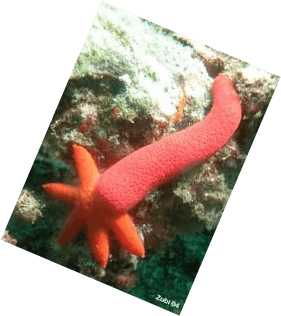
Many animal species such as sea stars and flat worms are able to replace missing body parts. Multiple genetically identical offspring can even be produced from body parts. This process is called:
Regeneration
Vegetative propagation
Budding
Fission


Place these cells in order of mitosis.
A, B, C, D, E
C, E, A, D, B
B, E, D, A, C
B, D, A, E, C

