
 Worksheets
Basic Chemistry
Total questions: 64
Worksheet time: 46mins

A covalent bond forms
when one or more electrons are transferred from one atom to another.
when electrons are shared between atoms.
Which two subatomic particles are found in the nucleus of an atom?
Neutrons and Protons
Shells and Electrons
Electrons and Protons
Electrons and Neutrons

An atom becomes a positive ion when it
gains electrons
gains protons
loses electrons
loses electrons or gains protons
Which subatomic part of an atom gives it a positive charge?
Neutron
Proton
Electron
Nucleus
An atom of carbon has 6 protons and 7 neutrons in its nucleus. If the atom is neutral, how many electrons does it have?
0
7
6
13

How many protons are in carbon?
12
6
0
7
The center of an atom where its neutrons and protons are is called the _____________.
nucleus
electron cloud
center

All matter is made of _________.
The amount of matter/atoms in an object is...
volume
mass
density
weight
An electron has a _________ charge
positive
neutral
negative
massive

A proton has a ___________ charge.
positive
negative
neutral
massive.


How many protons does Potassium (K) have?
19
39
20
58
How do you calculate the number of neutrons? *
Mass = Atomic number - Neutrons
Mass - Atomic number = Neutrons
Atomic number = Neutrons

How many valence electrons does the element have?
(valence electrons are the electrons in the outermost energy shell)
1
2
3
4

If an atom has 9 electrons, what energy level do you have to go up to fit all the electrons?


According to the Octet Rule, atoms of elements react with each other in order to attain ____ electrons in their outermost energy level or shell.
2
4
6
8
10

One covalent bond is formed by ...
the exchange of 1 electron
the exchange of 2 electrons
the sharing of 4 electrons
the sharing of 2 electrons
2CH4 represents
2 molecules and 4 total atoms
2 molecules and 10 total atoms
1 molecule and 5 total atoms
1 molecule with 10 total atoms
4N2 represents
4 molecules and 8 total atoms
1 molecule and 8 total atoms
4 molecules and 2 total atoms
1 molecule with 10 total atoms
T/F: 2H2 = H4
TRUE
FALSE
T/F: 3O2 = O6
TRUE
FALSE
2 NH3 contains...
SELECT ALL THAT APPLY!
2 molecules
8 total atoms
6 total atoms
6 hydrogen atoms
1 nitrogen atom

The arrows in the image indicate...
covalent bonds
ionic bonds
physical bonds
James Bond
A covalent bond is...
a sharing of two electrons between atoms
an attraction between two molecules
a donation of an electron from one atom to another
a sharing of two electrons between molecules
Protons = 5
Neutrons = 6
Electrons = 4
Atomic mass = (a)
Protons = 3
Neutrons = 4
Electrons = 2
Atomic mass = (a)
Protons = 7
Neutrons = (a)
Electrons = 9
Atomic mass = 15
Protons = 3
Neutrons = 4
Electrons = 2
Charge = (a)
Protons = 43
Neutrons = 47
Electrons = 45
Charge = (a)
All iron atoms in the universe have the...
same number of neutrons
same number of electrons
same number of protons
same mass
Two atoms with the same mass must contain...
the same number of neutrons
the same number of electrons
the same number of protons
None of the other are correct
Atom A is heavier than Atom B. That means Atom A must...
have more electrons than Atom B
have more protons than Atom B
None of the other answer choices are correct
have more particles in its nucleus than Atom B
If an atom has 38 protons, 38 electrons, and 40 neutrons. What is the mass number?
(a)
If an atom has 38 protons, 38 electrons, and 40 neutrons. What is the net charge?
(a)
If an atom has 5 protons, 8 electrons, and 6 neutrons. What is the mass number?
(a)
If an atom has 5 protons, 8 electrons, and 6 neutrons. What is the net charge?
(a)

What is this?
Atom
Molecule
Compound
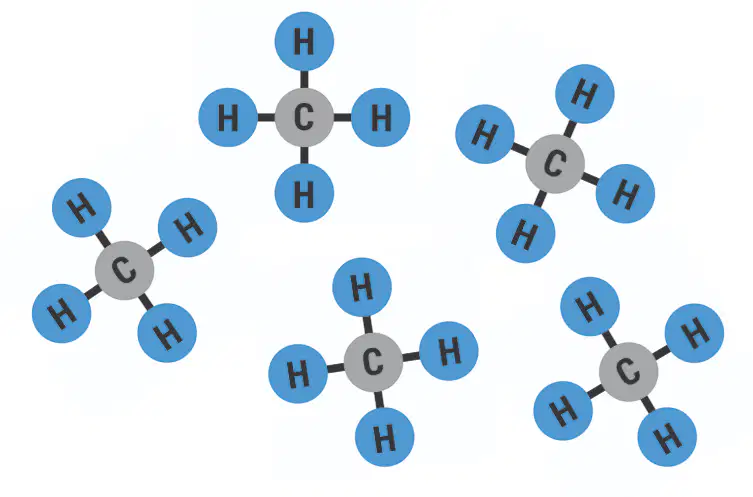
How many molecules are in the image?
(a)
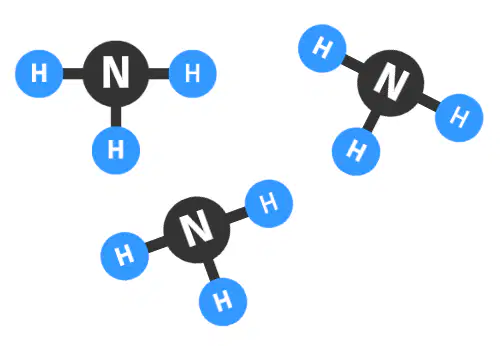
How many molecules are in the image?
(a)
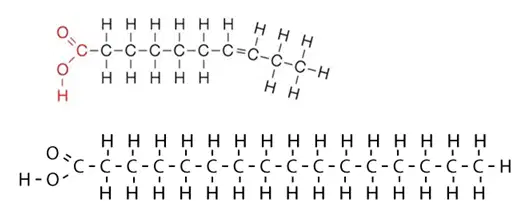
How many molecules are in the image?
(a)
How many atoms are in the image?
(a)
How many atoms are in the image?
(a)

How many molecules are in the reactants?
(reactants = what goes in to a chemical formula)
(a)
How many molecules are in the products?
(products = what comes out of a chemical formula)
(a)

____ atoms are going in to this reaction and ____ atoms are coming out of this reaction.
36 ; 36
7 ; 12
30 ; 30
30 ; 16
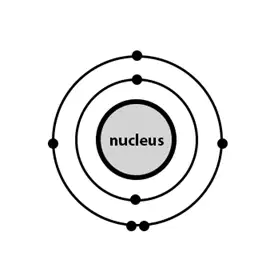
How many bonds would the atom shown want to make?
(i.e., how many more electrons does it need to fulfill the octet rule?)
1
3
8
2
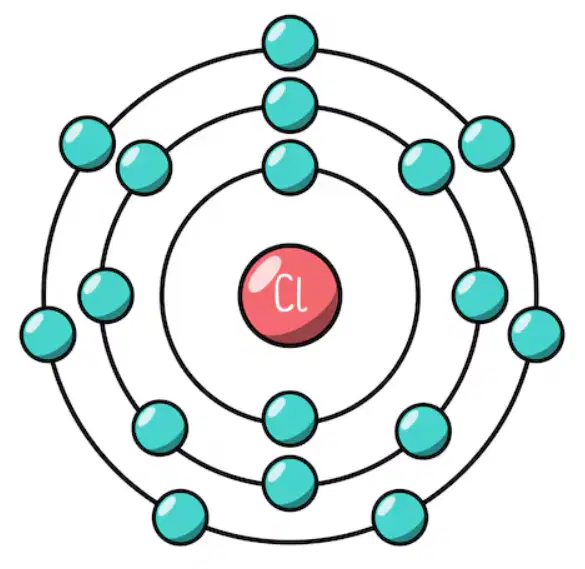
How many bonds would the atom shown want to make?
(i.e., how many more electrons does it need to fulfill the octet rule?)
1
3
8
2
Click the atomic number of zinc.
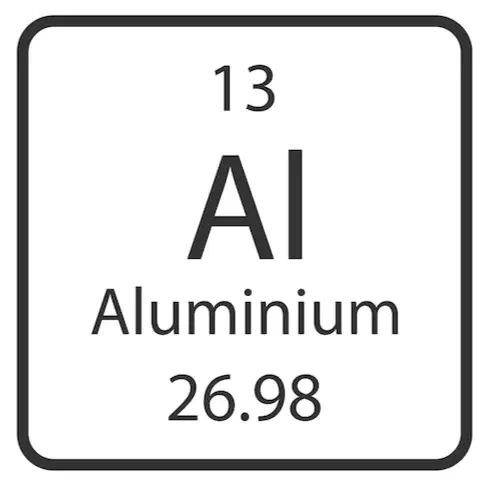
Aluminum generally has (a) neutrons in its nucleus.
Aluminum generally has (a) protons in its nucleus.
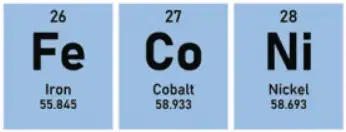
Iron's atomic number is (a) . The heaviest metal here is (b) . Iron generally has (c) neutrons in its nucleus.

