
Font size
 Worksheets
Rates of Reaction
Total questions: 50
Worksheet time: 44mins
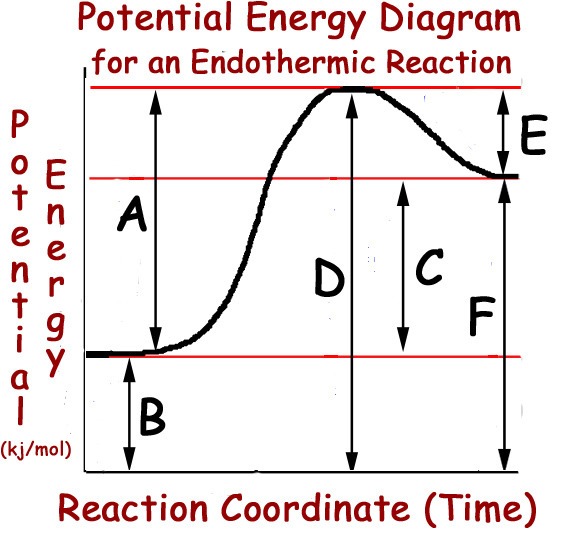
Increasing the temperature gives particles more __________.
Time
Energy
Space
Frequency
As the frequency of ______________ increases, the rate of reaction increases.
Time
Reactions
Collisions
Reactants
Adding a catalyst ___________ the activation energy.
Raises
Lowers
Doesn't affect
Inreases
The minimum amount of energy needed for colliding particles to react is called
Chemical Energy
Kinetic Energy
Activation Energy
Potential Energy

Powdered sugar has a greater ______ _____ than a solid cube of
sugar.
Surface Area
Catalyst
Temperature
orientation and direction
energy and orientation
temperature and kinetic energy

Which group of particles shows that increasing surface area increases collisions among particles?
Left side
Right side
Cannot be determined by either picture
Does the presence of catalyst will change the amount of product?
Yes
No
How does temperature increase the rate of a chemical reaction?
Provides lower energy route for the reaction so that a greater number of particles have enough energy to react.
Increased number of collisions increases the chance of a 'successful collision'
Particles collide faster and harder so a larger proportion have greater energy than the required activation energy.
Greater number of 'active sites' available for a reaction to take place (referring to solids)

Is the following reaction endothermic or exothermic
endothermic
exothermic

In standard conditions data for line B was recorded. If we run the reaction again at a higher temperature, which line of data would likely be recorded?
A
B, again
C
No reaction occurs
In standard conditions data for line B was recorded. If we run the reaction again with reactants at lower concentrations, which line of data would likely be recorded?
A
B, again
C
No reaction occurs
In standard conditions data for line B was recorded. If we run the reaction again with a catalyst, which line of data would likely be recorded?
A
B, again
C
No reaction occurs

At what time did the reaction finish?
(a)

which factor that affect reaction rate is represented?
Temperature
Catalyst
Surface Area
Concentration
Indicate whether each of the following will: Increase / Decrease / have No effect on the rate of reaction.
Increasing temperature
Increase
Decrease
No Effect
Indicate whether each of the following will: Increase / Decrease / have No effect on the rate of reaction.
Decrease Particle Size
Increase
Decrease
No Effect
Indicate whether each of the following will: Increase / Decrease / have No effect on the rate of reaction.
Decrease Reactant Concentration
Increase
Decrease
No Effect

Which energy diagram line represents the catalyzed reaction?
The black line
The red line
It can not be determined
What name is given to the minimum amount of energy needed by particles for them to react when they collide?
Activation energy
Catalytic energy
Threshold energy
What is the name of the model which is used to explain how different factors affect the rate of a reaction?
Particle theory
Big Bang theory
Collision theory
What piece of apparatus could be used to measure the volume of gas produced in a reaction
Gas syringe
Beaker
Top pan balance
Which of the following is a possible unit for rate of reaction?
cm3/s
m/s
N
Which of the following would speed up a reaction?
Using lumps instead of powder
Increasing the concentration of an acid
Decreasing the temperature
Which of the following will increase the frequency of successful collisions?
Increasing the temperature
Decreasing the pressure
Decreasing the concentration
Which of the following statements about catalysts is false?
They speed up reactions
They provide an alternative reaction pathway with a lower activation energy
They become chemically changed at the end of the reaction
Which of the following would give a steeper curve on a graph of volume of gas against time?
Low temperature
Low concentration
Using a catalyst
What is this symbol '⇌' used to represent?
A redox reaction
A reversible reaction
A physical change
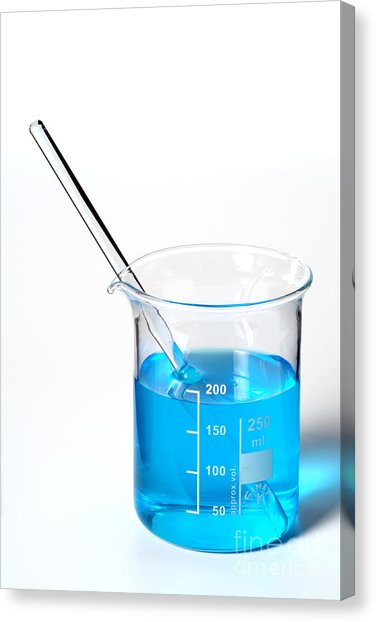
The word for a substance created in a chemical reaction...
Reaction
Reactant
Product
Mass
What is it called when particles hit each other?
Collision
Catalyst
Explosion
Reaction
The speed at which a chemical reaction occurs
Fast
Slow
Rate
Ratio

What is the word that describes how many particles are in a volume of a mixture
Rate
Collision
Catalyst
Concentration
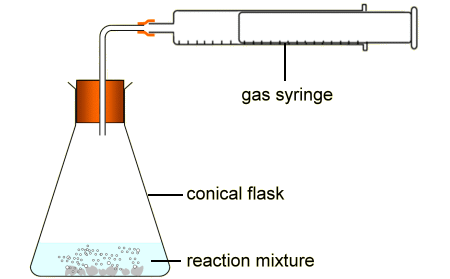
How is this equipment being used to measure the rate of reaction?
The gas syringe measures how much gas is produced in a minute
The reaction mixture will increase in volume in a minute
What could you do to slow down a reaction?
Place the reactants in hot water
Place the products in an ice bath
Place the reactants in an ice bath
Keep stirring the reactants with a stirring rod

