
 Worksheets
photosynthesis + respiration
Total questions: 39
Worksheet time: 42mins
What are the products (release) of photosynthesis?

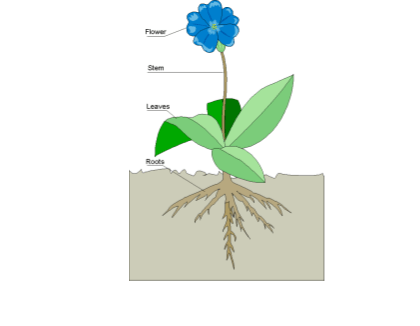
Which plant part absorbs water and nutrients?
(a)
What are the 3 reactants (uses) of photosynthesis? The reactants are the things needed for photosynthesis to occur.
oxygen, glucose, sunlight
sunlight, oxygen, water
water, oxygen, carbon dioxide
carbon dioxide, sunlight, water

Which product is "waste" and mostly released by the producer (plant)?
oxygen
carbon dioxide
sugar
glucose
photosynthesis creates and stores energy and cellular respiration releases energy
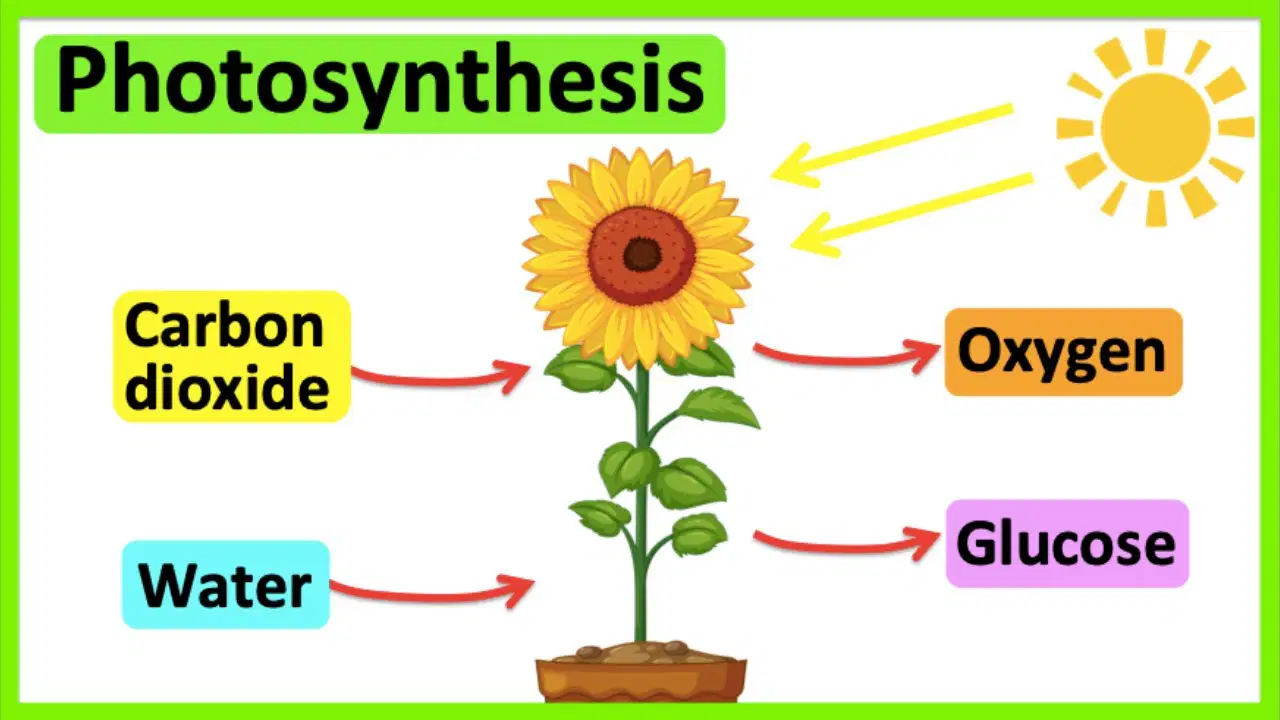
Why is photosynthesis important for humans and animals?
the oxygen we breath is created during photosynthesis
the carbon dioxide we breath is created during photosynthesis
the water we drink is created during photosynthesis
the food we eat is created during photosynthesis
Cellular respiration occurs in
(a)
Which of the following is a product of cellular respiration?
Radiant Energy
Oxygen
Glucose
Water
What is the energy called that is made during cellular respiration?


Our cells get rid of carbon dioxide multiple times a minute. Which body process takes in oxygen and puts out carbon dioxide?


There are levels of organization we use to talk about what our bodies are made of. Select the correct order of the four levels below from least to most complex:
cells → organs → tissues → organ systems
organ systems → organs → tissues → cells
tissues → organs → cells → organ systems
cells → tissues → organs → organ systems
Select the Mitochondria
Label which side is the Reactants and Products of Cellular Respirations
Reactants
Products
Stored
Released

The rate of photosynthesis can be influenced by...
Temperature
Carbon dioxide levels
Light intensity
Oxygen concentration
Reactant of Photosynthesis
Carbon Dioxide
+
Water
+
Sunlight
Product of Photosynthesis
Glucose(sugar)
+
Oxygen (stomata)
Reactant of Respiration
Glucose(sugar)
+
Oxygen (nose)
Product of Respiration
Carbon Dioxide
+
Water
+
ATP
___ is a group of organs and tissues that act as transfer stations carrying needed materials to cells and removing their waste products.
circulatory system
respiratory system
nervous system
Which is a function of the cardiovascular system?
to move water throughout the body
to transport gases throughout the body
to eliminate waste from the body
to provide structural support for the body
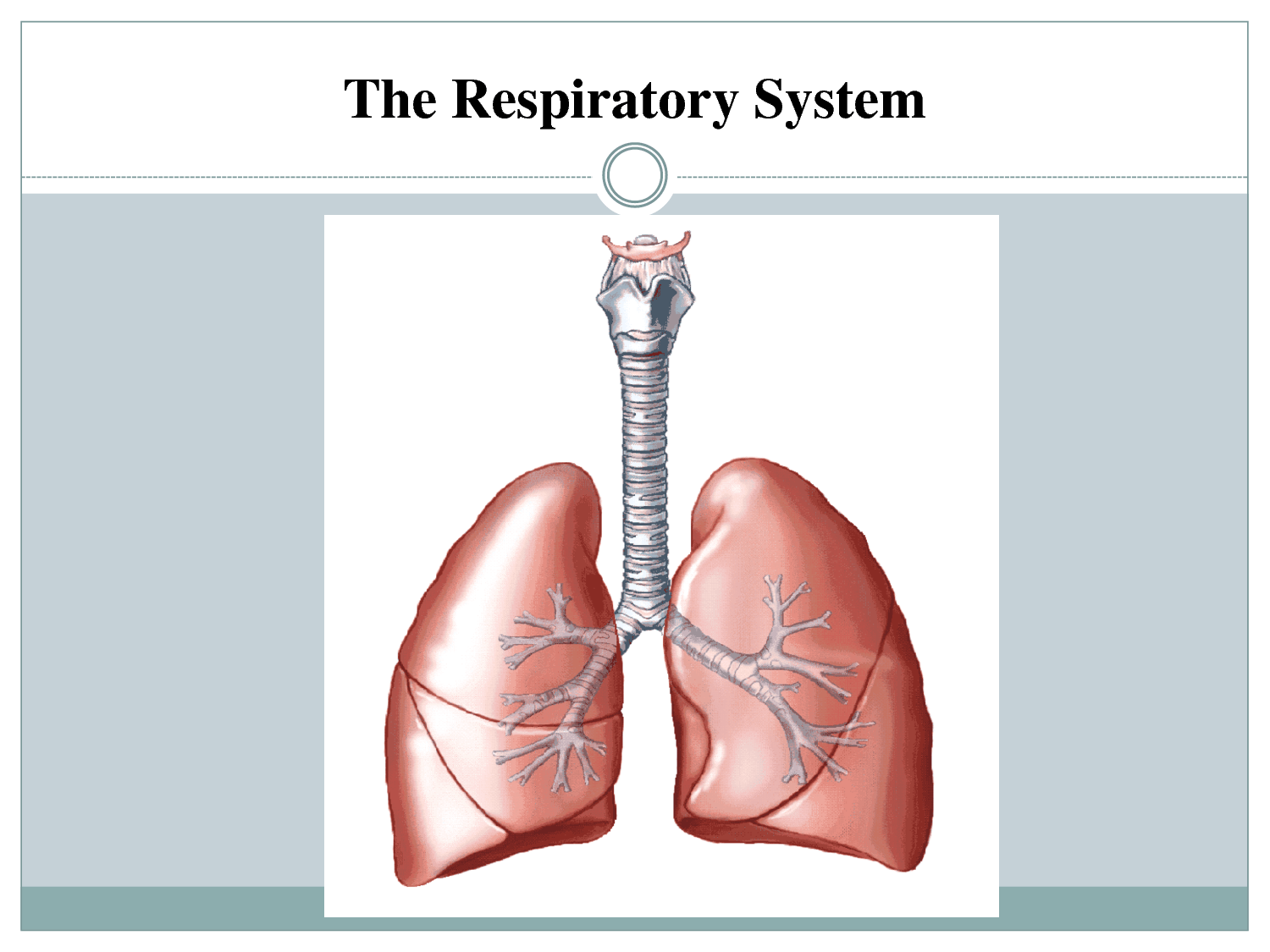
What is the main function of the respiratory system?
to provide oxygen and remove carbon dioxide from the body
o break down food and absorb nutrients
to remove oxygen from the body and deliver carbon dioxide
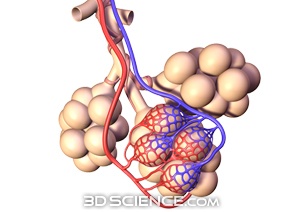
Throwback question:
Root takes up water BEST in a ________ solution.
Hypertonic solution
Hypotonic solution
Isotonic solution
Label the Concentration areas
High
Low
Membrane

What is the process called when the cell move gases in and out?
Passive/Simple diffusion
active transport
osmosis

What part of the plant anchors the plant for support?
roots
stem
leaves
What part of the plant transports water and nutrients to other parts of the plant?
roots
stem
leaves
Which table correctly identifies how the plasma membrane contributes to maintenance of cellular homeostasis?
Which pair of statements best compares the function of the carbohydrate cellulose, found in the cell walls of grass, and the protein cellulase, created by bacteria living in the stomach of herbivorous cows?
The cellulose in the cell wall provides insulation for the grass.
*sugar makes the grass warm
The cellulase created by the bacteria in the cow's stomach provides insulation for the cow.
*sugar makes the cow warm
The cellulose in the cell wall stores genetic information for insects.
*sugar has DNA for insects
The cellulase created by the bacteria in the cow's stomach breaks down cellulose for energy to be used by the cow.
*sugar gives energy to the cow
The root system will absorb the phosphate and it will be transported to the tips of the plants using the (a) system. The stem system is also called the (b) . Inside the shoot (stem) system are 2 straws. One straw is for food (c) and the other straw is for water+minerals (d) . Both straws together makes a (e)
Which plant response would best aid a plant in maximizing and retaining water acquired during a drought?
Decreasing root growth, while increasing stem and leaf growth
Increasing root, stem, and leaf growth
Decreasing stem and leaf growth, while increasing root growth
Increasing leaf and root growth, while decreasing stem growth
Reactant (a)
Product (b)

Photosynthesis Uses = (gas) (a) + Water
Releases = (sugar) (b) + (gas) (c)
Energy = (d)

Cellular Respiration
Uses = (gas) (a) + (sugar) (b)
Releases = (gas) (c) + Water
Energy= (d) = (e) (ATP)
Match the following
Intestines + Stomach
Digestive System
Blood vessels + Heart
Circulatory System
Skin, Hair, Nails
Integumentary System
Nutrients, Intestines
Digestive System
White Blood Cell
Immune System

