
 Worksheets
Bio Unit 2 Review (Life and Relatedness)
Total questions: 141
Worksheet time: 35hrs 15mins

Which trait do only humans have, according to the cladogram?
jaws
mammary glands & hair
terrestrial during all life stages
bipedal & opposable thumbs

Which letter represents the most recent common ancestor of sponges and mushrooms?
A
B
C
D
E

According to the cladogram, which organism is most distantly related to the chimpanzee?
salmon
salamander
lizard
hamster


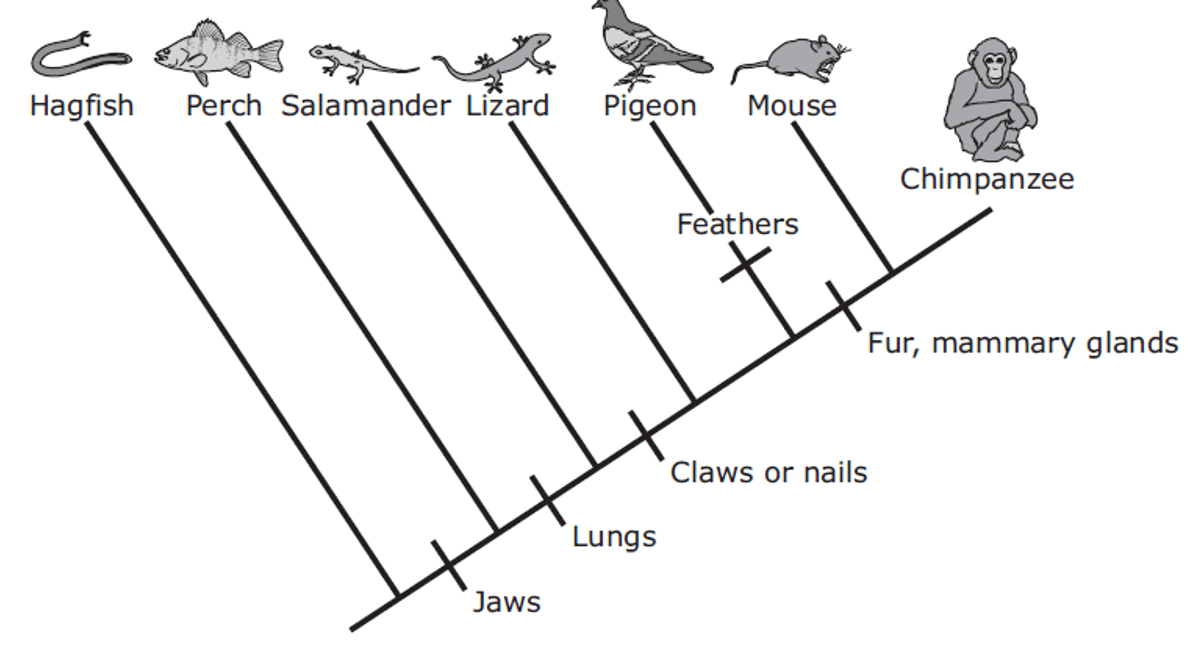
All the animals to the right of the salamander would have the common characteristic of...
Fur
Claws or nails
Lungs
Jaws

Species E is more closely related to D than to B.
True
False

Which trait should go where C is on the cladogram?
eyes
feet
lips
hat

Which organism goes in the A position?


Which organism goes in the B position?
Which organism goes in the C position?
Which organism goes in the D position?

A paramecium will move away from direct light. This is an example of which characteristic of life?
respond to stimuli (sensitivity)
maintain homeostasis
made of cells
get energy

The sunflower bends towards the sunlight.
grow and develop
made of cells
have DNA
respond to stimuli (sensitivity)
The plant height has increased from 5’1” to 5’3” in two weeks.
maintain homeostasis
grow and develop
evolve
respond to stimuli

Which characteristic of living things is represented in the picture?
Reproduction
Responds to Stimuli
Shares similar chemicals
Homeostasis

Which characteristic of living things is represented in the picture?
Made of Cells
Adapt to Environment
Respond to Environment (Sensitivity)
Obtain & Use Energy

Which characteristic of living things is represented in the picture?
Respond to Environment
Growth and Development
Adapt to their Environment
Made of cells
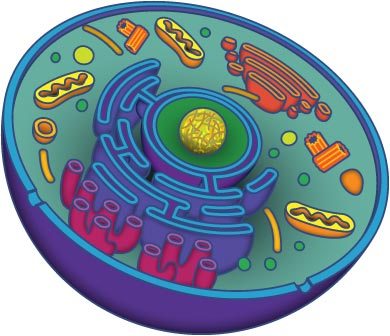

Cells spontaneously arise from nonliving things, like magic
Something that once showed all the characteristics of life but no longer does and never will again?
Alive
Dead
Dormant
Nonliving

Chemical reactions within an organism to capture and use energy
Reproduction
Metabolism (part of respiration)
Response to Stimuli
Evolution
Ability to produce offspring
Growth and Development
Homeostasis
Metabolism
Reproduction

Response to changing external conditions
Growth and Development
Evolution
Response to Stimuli
Reproduction
True or False...An organism must display all 7 characteristics of life to be considered living
True
False
True or False...A once living (dead) thing is classified as an organism
True
False

A chicken laying eggs is an example of
Response to Stimuli
Metabolism
Reproduction
Evolution

What characteristic is shown: A bacteria cell divides itself in two.
Reproduce
Respond to a Stimulus
Homeostasis
Grow and Develop
You sweating and being thirsty in hot temperatures is an example of
respiration
metabolism
sensitivity
movement
Cells come from______.
other preexisting cells
cytoplasm
organelles
prokaryotes

Cell B is most likely
a bacterial cell
an animal cell
a plant or animal cell
a plant cell

Cell A is most likely
a plant cell
an animal cell
a bacteria cell
a Prokaryotic cell
Which THREE scientists are credited for coming up with the Cell Theory? Pick ALL three scientists.
Robert Hooke
Anton van Leeuwenhoek
Theodor Schwann
Mattias Schleiden
Rudolf Virchow
Does an organism need to meet all 7 characteristics of living things at the same time to be considered a living organism?
Yes, you need all 7 at the same time
No, you need to meet all 7 at some point
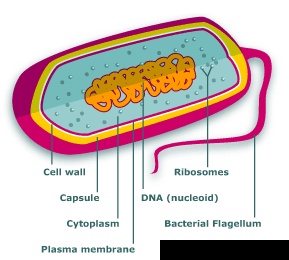

Bacteria is what kind of cell?
Eukaryotic
Prokaryotic

What kind of cells are these?
Eukaryotic
Prokaryotic

Cells come from______.
other preexisting cells
cytoplasm
organelles
prokaryotes

Unicellular ONLY
Prokaryotic
Eukaryotic
Have membrane bound organelles
Prokaryotic
Eukaryotic
Can be multicellular or unicellular
Prokaryotic
Eukaryotic

Why are bacteria cells prokaryotic?
They have a nucleus
They are unicellular
They lack a nucleus or membrane bound organelles
They have a nucleus and membrane bound organelles
ALL cells have ALL of the following organelles EXCEPT:
Ribosomes
Cytoplasm
Cell membrane
Nucleus
The science of describing, classifying and naming living things is known as _______.
Biology
Taxonomy
Sortology
Phylogeny
What kingdom contains multicellular organisms that use photosynthesis to meet their energy demands?
Plants
Animals
Fungi
Protista
What kingdoms are composed of unicellular organisms that are all microscopic and have no true nucleus?
Fungi and Plants
Plants and Animals
Bacteria and Protists
Archea and Eubacteria
Organisms in the same kingdom have ______________ traits.
similar
different
many
I am an autotroph
I am multicellular
What am I?
I am prokaryotic
I am found in extreme ecosystems
What kingdom do I belong to?
Kingdom Archaebacteria
Who am I?
A cell that does not have a nucleus is a
Multicelular
Prokaryotic
Eukaryotic
Unicellular

The diagram shows some characteristics of the four eukaryotic kingdoms. Which of these is the plant kingdom?
Kingdom 1
Kingdom 2
Kingdom 3
Kingdom 4
The absence of a distinct nucleus and most other cellular organelles is characteristic of cells in which of the
following groups?
Domain Archaea only
Domain Bacteria only
Domain Eukarya only
Domains Archaea and Bacteria
A scientist recently discovered a brand new organism. The organism is multicellular, is eukaryotic, and is a
heterotroph. Which kingdom may this organism belong to?
Kingdom Archaebacteria
Kingdom Animalia
Kingdom Plantae
Kingdom Eubacteria

Some students used information they gathered from lab investigation to prepare a table. They entered the table in their lab notebook. Which statement identifies Cell 1 and Cell 2 based on the results?
Cell 1 is eukaryotic, and Cell 2 is Prokaryotic
Cell 1 is prokaryotic, and Cell 2 is Eukaryotic
Both Cell 1 and Cell 2 are Eukaryotic
Both Cell 1 and Cell 2 are Prokaryotic

Which two species are most closely related?
Northern cricket frog and bullfrog
Northern leopard frog and bullfrog
Northern cricket frog and green treefrog
Northern leopard frog and green treefrog

Scientists recently discovered an organism living in a very unique environment. The information in the box below describes some of the organism’s characteristics. Which domain and kingdom would be the correct classification for this organism?
Domain Bacteria and kingdom Eubacteria
Domain Eukarya and kingdom Archaebacteria
Domain Archaea and kingdom Eubacteria
Domain Archaea and kingdom Archaebacteria

Using a light microscope, a student identified the following characteristics of four organisms found in a sample of pond water. Based on the observations of the student, which organisms most likely belong to
the taxonomic group for bacteria?
Organisms 1 and 2.
Organisms 3 and 4.
Organisms 1 and 4.
Organisms 2 and 3.

Which category of classification has the largest variety of organisms?
genus
phylum
species
kingdom

Which two species are most closely related?
A and B
B and C
C and D
A and D

Which two species are most closely related?
Cat and Fly
Wolf and Fly
Cat and Wolf

Which two species are most closely related?
Human and Grey Wolf
Gray Wolf and Tiger Snake
Human and Monarch Butterfly
Human and Common Chimpanzee

Which two species are most closely related?
Human and Domestic Dog
Green Frog and Mountain Lion
Mountain Lion and Domestic Dog
Human and Green Frog
Scientists classify different organisms into groups by their
Behaviors
Physiological adaptations
Physical traits/characteristics
Density
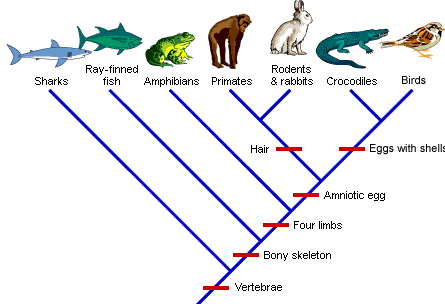
According to this cladogram, primates are most closely related to....
Amphibians
Rodents & rabbits
Crocodiles
Birds
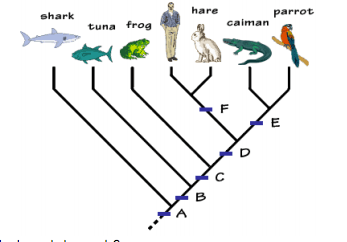
On the cladogram, which organism is the closest relative of the parrot?
Frog
Hare
Caiman
Parrot
All the animals to the right of the salamander would have the common characteristic of...
Fur
Claws or nails
Lungs
Jaws
Which letter represents the most recent common ancestor of sponges and mushrooms?
A
B
C
D
E

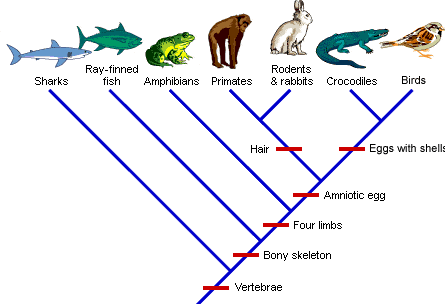
Which two organisms have hair?

All the animals to the right of the salamander would have the common characteristic of...
Fur
Claws or nails
Lungs
Jaws
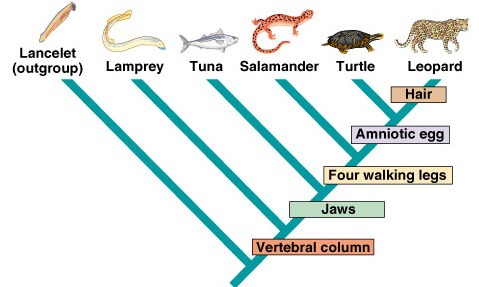
Which is the newest trait?
Amniotic egg
Walking legs
Jaws
Hair
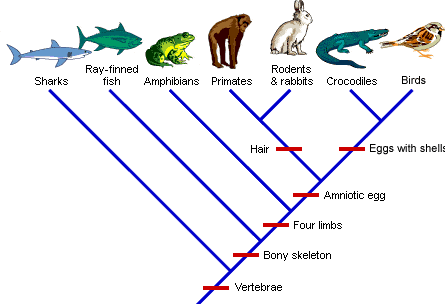

Of the choices listed, which species is the oldest?
H
D
C
A
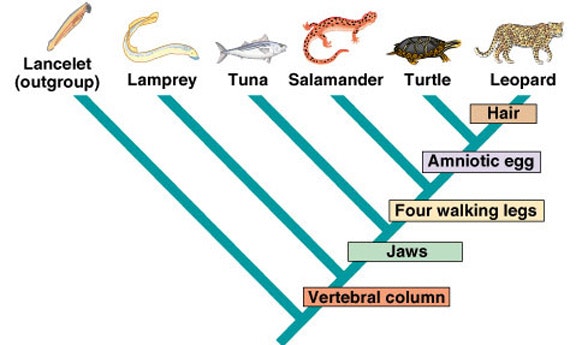
What trait separates lampreys from tuna on this cladogram?
Hair
Vertebral column
amniotic egg
jaws

Which species is most closely related to species C?
A
B
D

What is this a picture of?
Pedigree
Cladogram
Family Tree
Oak Tree

Which trait(s) do conifers have?
vascular tissue only
vascular tissue and seeds
vascular tissue, seeds and flowers
seeds only
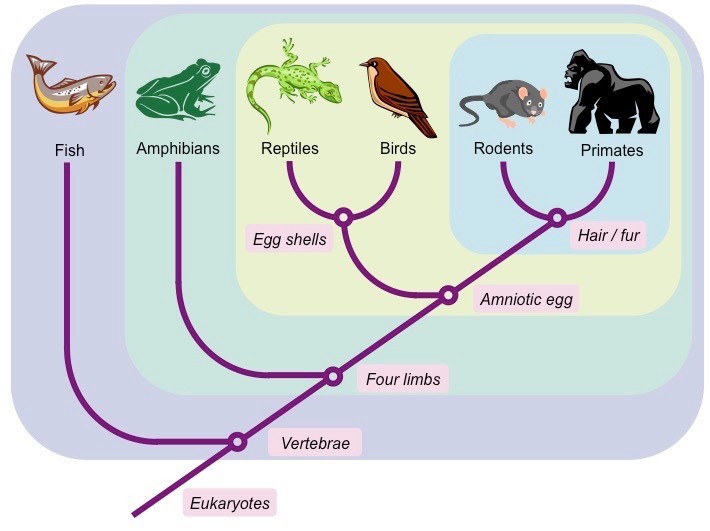
What characteristic distinguishes amphibians from birds and reptiles?
Amniotic egg
Egg shells
Vertebrae
Hair/fur

What characteristic do all the organisms on this cladogram share?
Being bi-pedal & having language
Complex brains
Fully binocular vision
Partial binocular vision & opposable thumbs
Which organism is most closely related to the T. rex?
Alligator
Frog
Swordfish
All of the organisms
Which organism has a more recent common ancestor with the T. rex?
Alligator
Frog
Swordfish
All of the organisms
Which node represents a common ancestor of the swordfish and T. rex?
A
B
C
What characteristic distinguishes amphibians from fish?
Amniotic egg
Egg shells
Vertebrae
4 (Four) limbs
What characteristic distinguishes rodents and primates from birds and reptiles?
Amniotic egg
Hair/fur
Vertebrae
4 (Four) limbs
What characteristic do all of these organisms have in common?
Amniotic egg
Hair/fur
Vertebrae
4 (Four) limbs
Which letter represents the most recent common ancestor of all of the organisms on this cladogram?
A
B
C
D
E
Which letter represents the most recent common ancestor of sponge and mouse?
A
B
C
D
E
Which letter represents the most recent common ancestor of tomato an mushroom?
A
B
C
D
E
Based on this cladogram, are mushrooms (fungi) more closely related to the mouse (animal) or the tomato (plant)?
Mouse
Tomato
Which letter represents the most recent common ancestor of tomato an fern?
A
B
C
D
E
A common ancestor is
An ancestor shared by two or more descendant species
Old people
An ancestor that is NOT shared by two of more descendant species
None of the above
The more recent the common ancestor, the ________ related two organisms are.
More
Less
same
Which two organisms have eggs with shells?
All of the organisms to the RIGHT of a trait:
Will have that trait
Will NOT have that trait
All of the organisms to the LEFT of a trait:
Will have that trait
Will NOT have that trait
How many organisms will have a vertebral column?
All 6
1
3
5
How many organisms will have a jaws?
All 6
1
3
4
How many organisms will have four walking legs?
All 6
1
3
4
How many organisms will have amniotic eggs?
All 6
2
3
4
How many organisms will have hair?
All 6
1
3
4
Which species is most closely related to Species F?
A
D
B
E

