
 Worksheets
Femi Geography
Total questions: 80
Worksheet time: 40mins
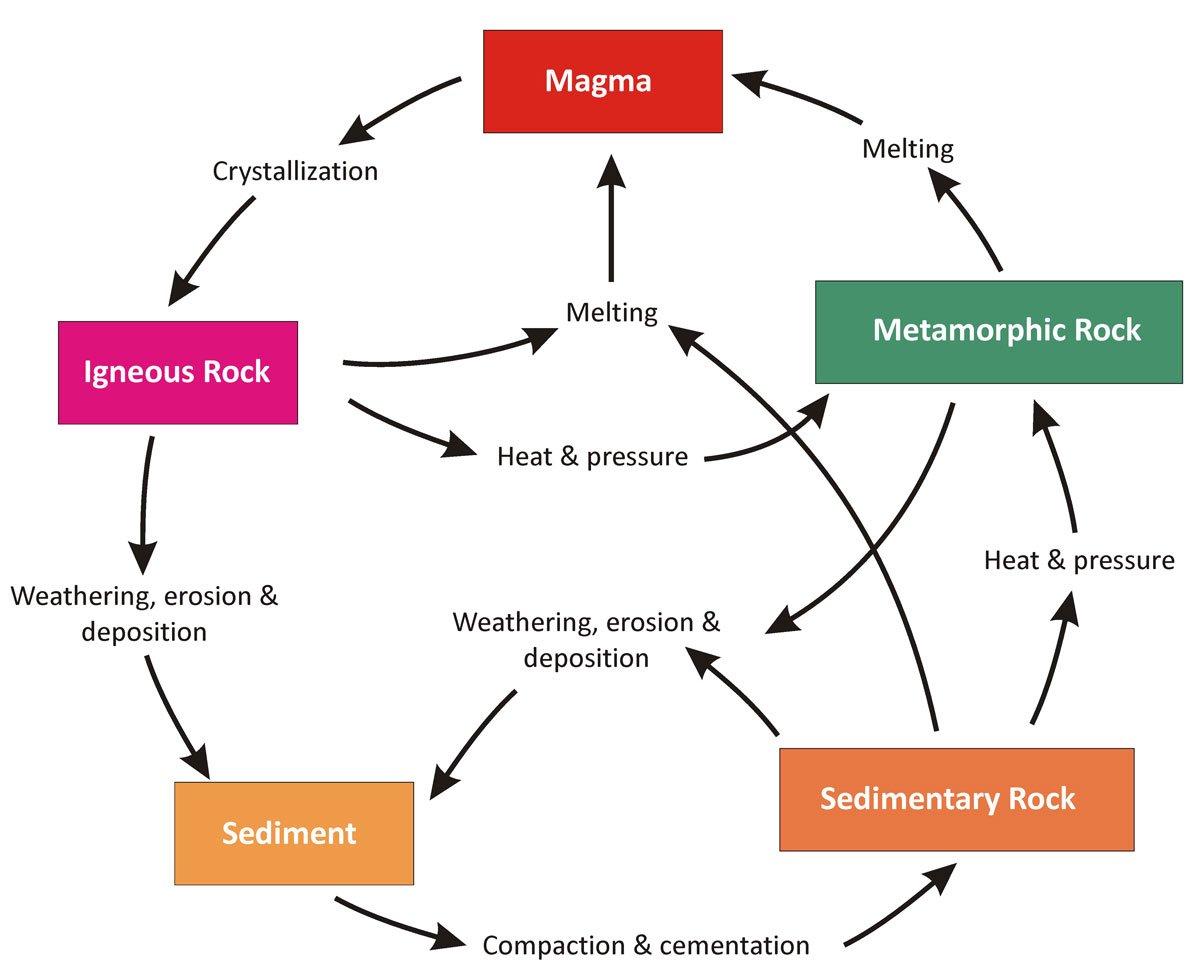


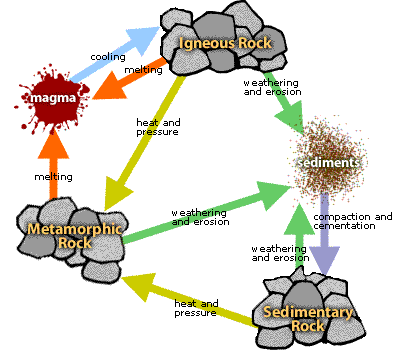


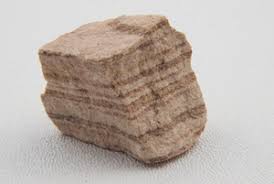
Which rocks contains fossils.
The breaking down of rocks and other materials on the Earth's surface.
Weathering
Erosion
Deposition
Exfoliation
The process by which rock and soil are moved from one place to another is called-
Chemical weatherin
Erosion
Mechanical weathering
Deosition
This type of weathering in which rock is physically broken into smaller pieces.
Chemical weathering
Erosion
Mechanical weathering
Deposition
What do we call the process in which rock is broken down by changes in its chemical makeup.
Chemical weathering
Mechanical weathering
Erosion
Deposition
The grinding/scratching away of rock by other rock particles carried in water, ice, or wind
Frost wedging
Exfoliation
Oxidation
Abrasion
Plants/animals digging under ground with roots or claws to break apart rocks.
Frost wedging
Abrasion
Burrowing
Exfoliation

A type of chemical weathering in which a substance combines with oxygen, as when iron oxidizes, forming rust.
Acid rain
Oxidation
Reaction to water
Exfoliation

The image above depicts the effects of chemical weathering breaking down limestone. Which type of chemical weathering causes this reaction?
Acid rain
Oxidation
Exfoliation
Abrasion
Over millions of years, the shape of mountains on Earth's surface can change to low hills and then rolling plains. These changes are most likely caused by-
Folding and faulting
Volcanoes and Earthquakes
Human activity
Weathering and Erosion

Which type of sediment does wind erosion most strongly affect?
Loose, sandy soil
Wet rocks
Wet, compacted soil
Dry, compacted soil
Which type of area is more likely to weather and erode? An area with a lot of vegetation (plants) or an area with very little? Why?
The area with very little vegetation, because the roots won't be able to burrow through the rocks to weather it down.
The area with a lot of vegetation, because the roots will burrow through the rocks causing a landslide.
The area with very little vegetation, because it has not roots to absorb extra water or hold the soil together. The extra water and loose soil is likely to become a landslide/mudslide.
The area with a lot of vegetation, because the roots will absorb any extra rain water, and will also hold the soil together preventing a landslide.
Which of the following agents is the usually responsible for the formation of canyons?
Gravity pulling
Wind blowing
Flowing water
Glaciers moving
Deforestation is to do with ...
trees
land
water
air
What is the land used for when it is cleared of trees?
Farming
Fishing
What harmful gas does the rainforest help to get rid of from our atmosphere?
Nitrogen
Oxygen
Carbon Dioxide
Soil erosion is when the soil is not held together and it is washed away by the rain and water. It can cause flooding and landslides.
True
False

A rock layer that allows groundwater to flow through it and collect?
(a)
What effect on the ecosystem can fertilizer seeping through to the groundwater have?
It can cause groundwater to become undrinkable, negatively affecting many species.
It can cause groundwater to become pure, enriching plant life with additional nutrients.
It can cause groundwater to reverse flow, increasing the level of the water table.
It can cause the groundwater to freeze, denying plants and animals of a water source.

What is a well?
a place that has a lot of grass
a hole drilled into the ground to pump water
a place where water in stored underground

If a well is over-pumped... what could happen?
there will be more groundwater
less groundwater + aquifers will dry out
the water table does not change

Look closely at the map of the watershed below. If water enters the watershed at the top of the mountain where the arrow is pointing, at which point will it stop draining?
Point A
Point B
Point C
Point D

Aquifer is an area of permeable rock on the land surface that holds groundwater.
True
False
What are the parts of a watershed?
Nearby Land
Aquitard
Surface Water
Groundwater
Which of the following human activities is LEAST likely to affect watersheds?
Flying in an airplane
Cutting down trees
Fertilizing lawns
Reading a book

Pollutants from a factory that enter the water in a watershed will have a negative effect on which of the following?
Local pond life
Rainfall rates
Direction of river flow
Available space for crops

A rock layer that restricts the flow of groundwater.
(a)

Is Oil renewable or non renewable?
Renewable
Non-renewable
Is wind renewable or non-renewable?
Renewable
Non-renewable
Is hydroelectric energy renewable or non-renewable?
Renewable
Non-renewable
Is Sun energy renewable or non-renewable?
Renewable
Non-renewable
Is Geothermal energy renewable or non-renewable?
Renewable
Non-renewable
Is Biomass energy renewable or non-renewable?
Renewable
Non-renewable
Is Coal non-renewable or renewable?
Renewable
Non-renewable
Is nuclear energy renewable or non-renewable?
Renewable
Non-renewable
Is gas renewable or non-renewable?
Renewable
Non-renewable
What resource is used mostly to power our homes?
Coal
Oil
Water
The function of tourism is...?
TO ENCOURAGE PEOPLE TO TRAVEL AND VISIT DIFFERENT PLACES
TO MAKE PEOPLE SPEND THEIR MONEY
TO PROMOTE SUSTAINABILITY
Complete the sentence:
______________ is the act of travelling for business or leisure to a location away from your hometown or usual area.
TOURIST
TOURISM
Complete the sentence:
A person who travels to places outside of their usual environment,
for a day or at least one night is called a...
Tourist
Tourism
How do you say "VIAGGIARE" in English?
TRAVEL
VOYAGE
VIAGGING
JOURNEY
To be called "tourist" a person has to stay in a place...
for at least 1 night
for at least 2 day
from 3 days on
1 week
Tourism offers only trips.
FALSE
TRUE

What is the activity shown in the picture a tourist can do?
sightseeing
take pictures
trekking
sunbathing
What is a synonym of "TEMPORARY VISIT"?
TOUR
CRUISE
STAY
Which of the following activities may be not referred to as "TOURISM"
HOSPITALITY SERVICES
MEANS OF TRANSPORT
LEISURE ACTIVITIES
HOMEBANKING
ONLINESHOPPING
To plan a journey or a voyage, you go to...
THE TRAVEL AGENCY
THE AIRPORT
THE JOURNEY AGENCY
THE TOURIST
COMPANY
How do you translate "GITA" in English?
TRIP
FLIGHT
VOYAGE
JOURNEY
The word "TOURISM" refers also to all the activities connected to a journey.
FALSE
TRUE
Which VERB matches SIGHTSEEING?
TAKE
VISIT
WALK
GO
What can a tourist do at a local restaurant?
RELAX
TAKE
EAT
STAY
What can a tourist do with a museum?
VISIT
HAVE
SWIM
TAKE

What is the activity shown in the picture a tourist can do?
GO to the beach
RELAX in a resort
GO HIKING in a resort
CLEAN a resort

A ticket for travel to a place and back
one way
round trip
carry on

