
 Worksheets
Unit 4 Total Review
Total questions: 70
Worksheet time: 2hrs 45mins
What is a force?
a disturbance that transfers energy
the ability to do work or cause change
a push or a pull on an object
a path for electrons to flow

A push ______________.
moves an object away
moves an object closer
moves an object up
moves an object down

A pull ______________.
moves an object away
moves an object closer
moves an object up
moves an object down
What are the two types of forces?
magnetic and gravity
applied and normal
contact and non-contact
amplitude and wavelength
Contact forces are ____________________
forces that like each other
forces that touch each other
forces that repel each other
forces that balance each other
Non contact forces are _____________.
forces that love each other
forces that touch each other
forces that do not touch
forces that have no power
Choose the example of a contact force?

gravitational force

electric force

magnetic force

frictional force
Which one is NOT a non-contact force?
magnetic
gravitational
electric
frictional
Choose the example of a non-contact force.

magnetic force

applied force

drag force

frictional force
What is the unit of force?
Hertz
Joules
Newtons
Grams
What is weight?
Force of gravity acting on matter
Amount of matter in an object
Speed of matter
Light from the sun
What is mass?
Speed of matter
Light from the sun
Amount of matter in an object
Force of gravity acting on matter

True or False: A pencil is an example of matter.
True
False

Electricity that flows in a closed path is called an
electric path
electric current
electric circuit

____________ allows electricity to flow.
A conductor
An insulator
A magnet

____________ stops the flow of electricity.
A conductor
An insulator
A magnet

The flow of electricity requires a
complete path
incomplete path
insulated current
Voltage is measured in
Power
Volts
Amperage
Ohm
The flow of electrons is ________.
a current
a flow Debit
a circuit Breaker
What is voltage?
The force of gravity acting on matter
A disturbance that transfers energy
The difference in energy levels from the beginning of the path to the end of the path
Two objects that are touching

Voltage is measured in
Power
Volts
Amperage
Ohm

Which has more resistance?
Picture B has more resistance because it is wider.
Picture B has more resistance because it is more narrow.
Picture A has more resistance because it is longer.
Picture A has more resistance because it is shorter.
Which of the following is a conductor.

Wood

Silver

Rubber

Plastic

Wood, paper and plastic are good example of
Conductor
Insulator
Terminator

To prevent electric shocks, the metallic electrical wires are covered with
paper
cotton
aluminium
plastic

Will electricity flow through this?
Yes. Metal is a conductor.
No. Metal does NOT conduct electricity.

Does the material from the picture allow electricity to flow through?
No. Plastic does NOT conduct electricity.
Yes. Plastic conducts electricity.
A material that does NOT let electricity pass through it is called ...
An electrical conductor
An electrical insulator
An electrical source
An electric appliance

Look at the diagram. What is the term for "C"?
Conductor
Switch
Transformer
Source
Which of the following materials is an electrical conductor?
Plastic spoon
Silver-colored plastic spoon
copper spoon
wooden spoon

What is a circuit that only has ONE path for electricity to flow?
series circuit
closed circuit
parallel circuit
light bulb

What is a circuit with several paths for electricity to flow?
conductor
series circuit
parallel circuit
open circuit

Look at the diagram. What is the term for "B"?
Conductor
Switch
Transformer
Source

Why is electrical wiring usually made from copper?
Because copper is shiny
Because copper conducts electricity
Because copper is not magnetic
Because copper insulate electricity

To complete the circuit, a wire should be placed from —

When the switch is closed the buzzer will sound because -


Look at the diagram. What is the term for "D"?
Conductor
Switch
Transformer
Source

Why is electrical wiring usually are covered with a layer of plastic?
To make it look pretty
To help electricity flow along the wire
To make it safe
To add more energy
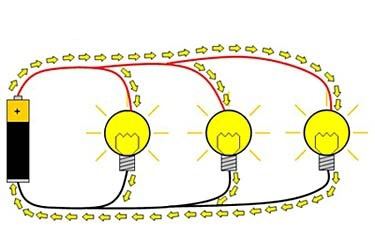
What type of circuit is shown in the picture?
Series Circuit
Broken Circuit
Parallel Circuit
Open Circuit
How does electricity flow in an electric circuit?
From negative to positive
From positive to negative
From positive to positive
From negative to negative

The other bulbs will go out.
The other bulbs will continue to work
The other bulbs will get dimmer.
The battery will become stronger.

What type of circuit is shown?
Parallel
Series


What subject is attracted to a magnet?
Silver
Water
Metal
Iron

What happens when two north poles of a magnet are placed together?
they repel
they attract
they cancel each other out
the strength of the magnet is doubled

A north pole and a south pole will attract.
True
False

True or False: All metals stick to magnets.
True
False

What do magnets stick to?
copper
wood
iron
plastic

Magnetism is a type of ____________
force
book
plant
animal

When two magnets attract, they ______________
push apart
change color
get colder
pull together

When two magnets repel, they ________________
change color
pull together
push apart
get colder

Objects that are attracted to each other are called
Nonmagnetic objects
Metal
Magnetic Objects
Electric Objects
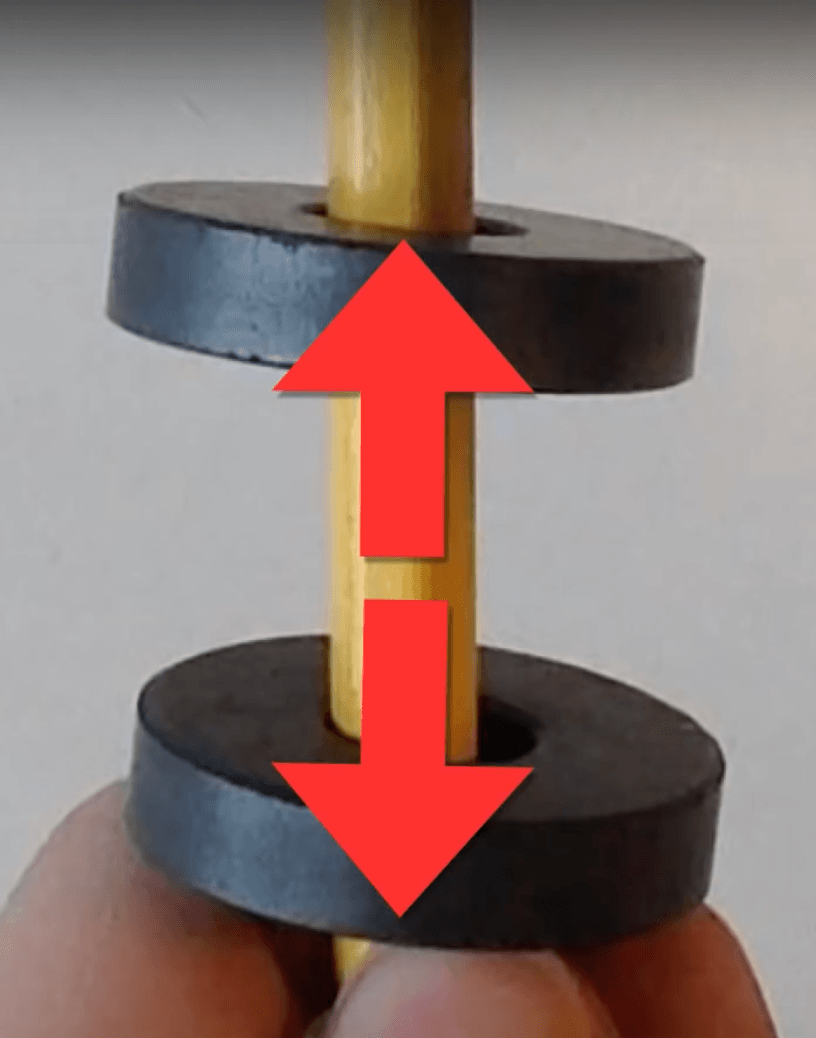
If you put a magnet with two of the same poles near each other, they...
attract (move closer)
repel (move away)
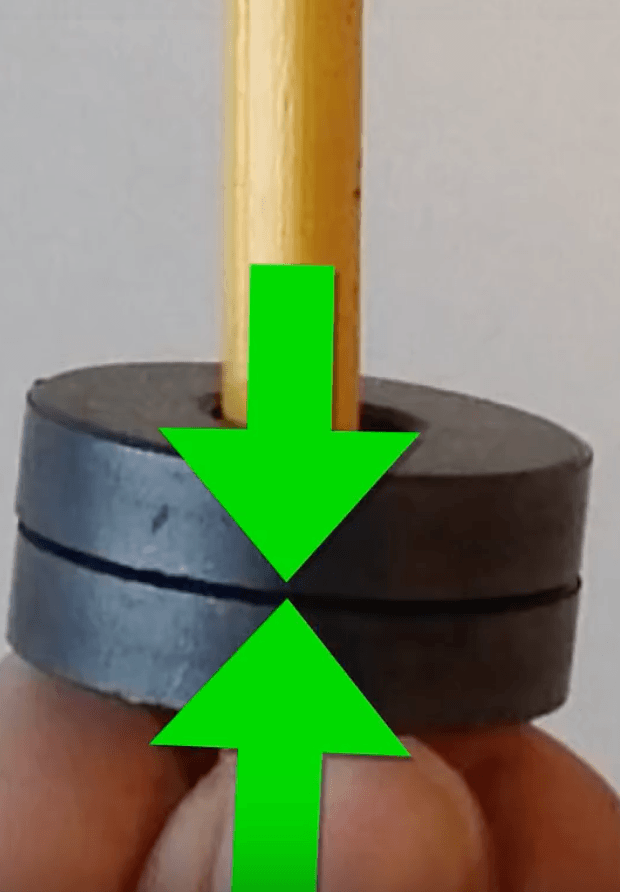
If you put a magnet with two different poles together, they...
repel (move away)
attract (move closer)

Magnets can pull on things without touching them.
True
False
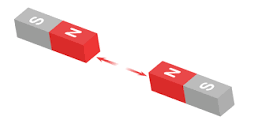

When the poles are the same, what happens?
Nothing. The poles of magnets do not have an effect on one another.
The two poles will attract each other
The two poles will repel each other
The two magnets will combine and become one magnet

Where is the magnetic force the strongest on a magnet?
at the poles
in the middle
above the magnet
below the magnet
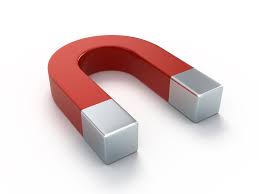

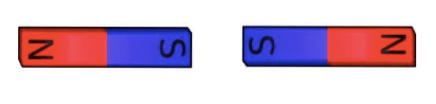

What is it called when magnets pull on other magnets?
attract
repel

What is it called when magnets push apart?
repel
attract

What is the pull of a magnet called?
magnetic force
gravity
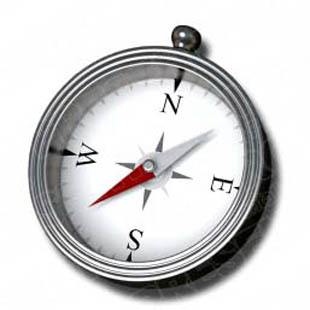
An instrument used to tell direction by aligning with the magnetic field of the earth is called a _______________________ (shown in the picture)
direction finder
guide
compass
gps

