
 Worksheets
bio 3 homeostasis review
Total questions: 25
Worksheet time: 34mins
homeostasis describes a state of
balance
imbalance
loneliness
vacation
Imagine a positive feedback system:
A disturbance happens and the system responds by
doing nothing
increasing the response
counteracting the disturbance to return to the original state
going to sleep
Imagine a negative feedback system:
A disturbance happens and the system responds by
doing nothing
increasing the response
counteracting the disturbance to return to the original state
going to sleep
1. You eat a wonderful donut.
2. Now your blood sugar increases.
3. Your body releases insulin to bring your blood sugar back to normal range.
This is an example of a
positive feedback
negative feedback
it's both positive and negative feedback
it's none of these
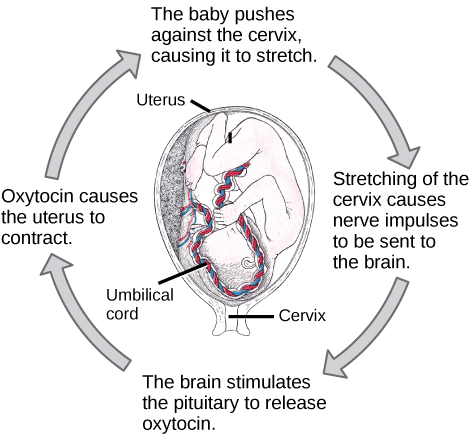
1. A pregnant woman is going into labor.
2. The contractions begin which releases a hormone.
3. The hormone causes the woman to have stronger contractions.
4. The contractions release more hormones which causes more and stronger contractions.
This is an example of a
positive feedback
negative feedback
it's both positive and negative feedback
it's none of these
is the maintenance of a relatively stable internal environment
is the maintenance of a relatively stable external environment
the brain only
the muscles
When you are hungry, you eat.
What is the response?
hunger
eating
stomach
nerves
Your body is too hot. What senses your body temperature?
nerve cells
sweat cells
blood cells
muscle cells
With low oxygen levels, your breathing rate will increase. When your oxygen levels rise, what is the appropriate response?
stop breathing
increase heart rate
keep breathing rate high
return breathing rate to baseline
When your bladder is full, a signal is sent to your brain to let you know to go to the bathroom.
What is the stimulus?
the signal
full bladder
going to the bathroom
your brain
When your glucose levels are too high, what is the appropriate response?
urinate
release glucagon
eat sugar
release insulin

What is the stimulus in the blood clotting model?
Clotting occurs from platelets
Break or tear in blood vessel wall
Clotting proceeds until break is sealed by clot
Released chemicals attract more platelets.
What type of feedback is shown in the blood clotting model?
Positive
Negative

According to the model, what is a normal blood glucose (sugar) level?
270 mg/100mL
180 mg/100 mL
45 mg/100 mL
90 mg/100 mL
According to the model, what is the response to HIGH blood glucose (sugar)?
Pancreas releases insulin into blood
Pancreas releases glucagon into blood
According to the model, what is the response to LOW blood glucose (sugar)?
Pancreas releases insulin into blood
Pancreas releases glucagon into blood
When you exercise, what gas does your body NEED more of?
Blood
Carbon dioxide
Hydrogen
Oxygen

Determines the level (set point) at which a variable is to be maintained, analyzes the information it receives and then determines the appropriate response or course of action
Control Center
Receptor
Effector

This graph shows a _______ feedback loop because
positive, because there is one peak
negative, because the graph rises, falls, and returns to its initial setpoint
negative, because there is one peak
positive, because the end point is much higher than the start point

This graph shows a ________ feedback system, because
positive, because the concentration rises and never returns to its initial value
positive because the concentration goes up
negative, because the concentration returns to its initial value
negative, because it is a straight line

