
Font size
 Worksheets
Science Review! :) JMJ
Total questions: 80
Worksheet time: 45mins
Creates energy for ALL cells, the powerhouse of the cell
Nucleolus
Vacuole
Cytoplasm
Mitochondria
Holds the DNA, or genetic material, in ALL cells; the brain of the cell
Cell Wall
Mitochondria
Golgi Body
Nucleus
Jelly-like substance that fills ALL cells
E.R.
Cell Membrane
Cytoplasm
Ribosomes
1. Inner Planets are also called.
Terrace Planets
Terminal Planets
Terrestrial Planets
Treasure Planets
Inner planets are most likely ____
closer to the Sun and are smaller and made of gasses
away from the sun and made up mostly of rocks
closer to the Sun and are smaller and rockier
away from the sun and made up mostly of gasses
Inner planets are consist of ______
Mercury , Venus, Jupiter and Mars
Mercury, Jupiter, Saturn and Mars
Mercury, Earth, Mars and Neptune
Mercury, Venus, Earth and Mars
Even though Mercury is the closest planet to the Sun, Venus is the hottest of all planets in the solar system.
Yes
No
The fourth planet from the Sun, called the Red planet, and extensively explored and observed
Neptune
Venus
Jupiter
Mars
The fifth planet, the largest planet and has a large storm called the Giant Red Spot that is visible from Earth
Neptune
Uranus
Jupiter
Earth
The sixth planet, known for its rings made of ice particles, considered the lightest planet and is 95% than Earth
Jupiter
Saturn
Neptune
Uranus
The seventh planet, originally called Herschel, rotates on its side due to the angle of the axis.
Uranus
Jupiter
Neptune
Mercury
The eighth planet, a dark blue color, windiest planet, with a set of rings including a set of rings that are braided
Neptune
Uranus
Earth
Mars

This planet is a gas giant. (2 answers)
Saturn
Mercury
Earth
Jupiter

The diagram shows a person observing a thunderstorm located several kilometers away. The person hears the thunder several seconds after seeing the lightning. Which statement accurately explains the difference in observations of sound and light by the observer?
Human eyes see light faster than their ears can hear sound.
The medium the waves are traveling through is different for each type of wave.
Light waves travel faster than sound waves.
Sound waves travel faster than light waves.
Which electromagnetic wave is responsible for sunburns?
microwaves
radio waves
ultraviolet radiation
infrared waves
Which part of your brain is in charge of involuntary actions like breathing?
Prefrontal Cortex
Cerebrum
Cerebellum
Brain Stem

The ______________ is the largest part of the brain
Cerebrum
Cerebellum
Amygdala
Hippocampus
Prefrontal Cortex

This part of the brain coordinates movement and balance.
Cerebrum
Cerebellum
Amygdala
Hippocampus
Prefrtonal Cortex
You actually do 'have eyes in the back of your head' because this region of the brain responsible for visual processing is right above the cerebellum!
temporal lobe
parietal lobe
occipital lobe
frontal lobe
Which charge is POSITIVE?
Proton
Neutron
Electron
Cell
Which charge is NEGATIVE?
Proton
Neutron
Electron
Cell
Which particle is NEUTRAL - NO CHARGE?
Proton
Neutron
Electron
Cell

How many protons are in Sodium?
11
22
12
33

How many electrons are in Sulfur?
32
16
48
8

How many protons are in Chlorine?
35
18
17
52

How many electrons are in Potassium?
19
20
58
39

How many neutrons are in Argon?
18
40
58
22
Study of properties of elements and compounds
botany
chemistry
physics
paleontology
marine biology
Study of plants
genetics
chemistry
physics
botany
marine biology
Study of heredity and how genes are passed in generations
genetics
chemistry
physics
paleontology
marine biology
Study of animals
zoology
seismology
chemistry
biology
paleontology
Study of insects
zoology
ecology
entomology
biology
astronomy
Study of living things
zoology
ecology
entomology
biology
astronomy
Study of the oceans
oceanography
ecology
entomology
biology
astronomy
Study of fossils
oceanography
paleontology
entomology
geology
astronomy
Study of living things and how they interact with their environments
oceanography
seismology
entomology
geology
ecology
Study of marine organisms
oceanography
seismology
entomology
geology
marine biology
Study of structure of matter and how parts of universe interact
physics
seismology
entomology
chemistry
geology
Study of structure of the earth and its history
physics
seismology
entomology
chemistry
geology
Study of celestial objects, space, and the whole universe
physics
meteorology
entomology
astronomy
geology
What is the Definition of the term Forensics?
Science of Chemistry and Physics
relating to the use of scientific knowledge or methods in solving crimes to a court of law.
the use of Science to determine someone innocence or guilt
Science of Biology and Chemistry
When water vapor is cooled and forms droplets of liquid water
Condensation
Evaporation
Transpiration
Runoff

To get God's forgiveness, you should also ______ others.
follow
pray
forgive

What color vestments do you see in Lent?
Green
Red
Purple
Pink

Which feast day ends the liturgical calendar?
Ascension Thursday
Ash Wednesday
Pentecost Sunday
Christ the King Sunday
Calcium is a mineral that helps keep our bones and teeth strong.
True
False

Yogurt would be classified in which food group?
protein
dairy
vegetable
grain
Which do you want the least amount of in your diet?
Protein
Sugar
Potassium
Calcium


Which biome has the largest number of species of plants and animals (highest biodiversity)?
tundra
desert
tropical rainforest
pine forest
Which biome is home to cacti, scorpions, coyotes, kangaroo rats, and lizards?
Desert
Grasslands
Temperate Forest
Taiga
What can you infer about animals that live in the desert?
Most of them are quite large
Most of them are warm-blooded
Most are unable to withstand temperatures below 90 degrees Fahrenheit
These animals can survive on very little water
Which land biome is the coldest in temperature without any trees?
Taiga
Grassland
Tundra
Deciduous Forest
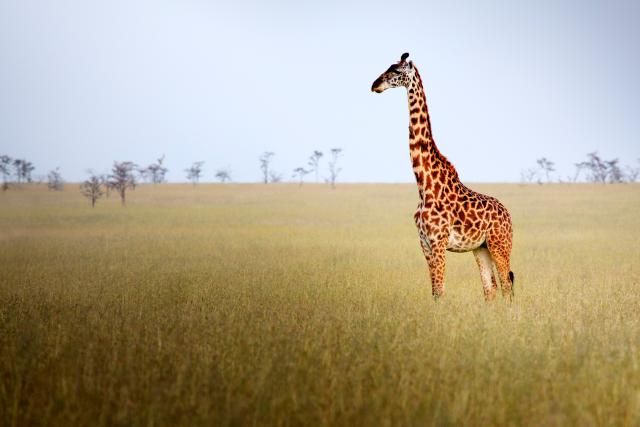

symbiotic relationship in which both organisms benefit
competition
mutualism
predation
commensalism
What type of organism can make its own food?
A producer (an autotroph)
A consumer (a heterotroph)
A decomposer
All of the above

