
 Worksheets
BENCHMARK 3 - Energy, Biodiversity, Population
Total questions: 65
Worksheet time: 45mins


the sun's energy is collected and converted to useable energy
nuclear
biomass
natural gas
solar
the splitting of uranium atoms to release energy.
geothermal
wind
nuclear
natural gas
turbines harness the movement of air and convert it to useable energy
wind
biomass
natural gas
hydropower
gases in an atmosphere that absorb and retain heat energy. High amounts cause air pollution and overheat the planet
greenhouse gases
conservation
landfill
recycling
Coal is often burned to produce
pollution
water power
better roads
electricity
Hydroelectric power is electricity created by
water
the sun
burning coal
burning wood
Which is a CON of solar energy?
energy can be saved in summer to use in winter
it can lower electric costs
there is a lot of sun in the desert
solar panels can be expensive
One pro of nuclear energy
it doesn't create pollution
it creates carbon dioxide
it increases global warming
One danger of nuclear power plants is that
atomic bombs are not dangerous
the waste material is radioactive
water creates pollution
atoms are difficult to find
What is/are the advantages of using nuclear power?
A small amount of fuel can give a large amount of energy.
Generating electricity by nuclear power gives off no air pollutants.
Generating electricity by nuclear power produces radioactive nuclear waste.

Which energy source is used in the following power plant?
Nuclear power
Tidal power
Solar power
Hydroelectric power

Which energy source is used in the following power plant?
Nuclear power
Tidal power
Geothermal power
Hydroelectric power

Which energy source is used in the following power plant?
Nuclear power
Tidal power
Geothermal power
Hydroelectric power

Which energy source is used in the following power plant?
Nuclear power
Tidal power
Solar power
Hydroelectric power

Which energy source is used in the following power plant?
Biomass power
Tidal power
Solar power
Hydroelectric power

Which energy source is used in the following power plant?
Biomass power
Tidal power
Solar power
Hydroelectric power
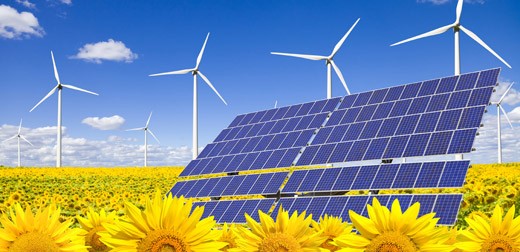
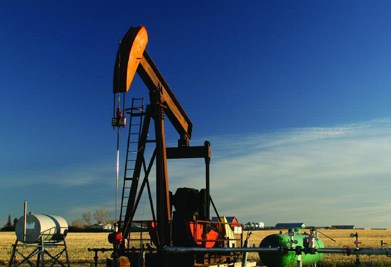
__________ is an energy resource that WILL run out in the next several hundred years.
Renewable Energy Resource
Non-renewable Energy Resource
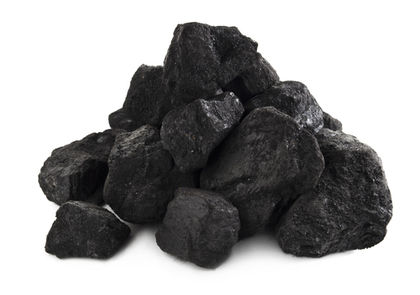
Coal is a __________ energy resource.
Renewable
Non-renewable
In which type of interaction between species does ONE species BENEFIT by HARMING ANOTHER species but not killing it?
predation
parasitism
mutualism
commensalism
A species of plant has exponential growth after it is introduced into an area where it has never lived. Which statement BEST DESCRIBES EXPONENTIAL GROWTH?
Each individual plant grows much larger than usual.
The population immediately decreases.
Within a few years, the population increases dramatically.
The species’ reproductive potential declines.
A bird that feeds at NIGHT and a bird that feeds during the DAY from the same flower is an example of
direct competition
mutualism
indirect competition
indirect commensalism
The spread of disease increases with physical contact, we call this form of death
Density-Dependent
Density-Independent
Density-Loose
Population Vigor

What determines the carrying capacity of an environment?
growth rates
limiting resources
natural selection
territorial size

A kangaroo’s role as a large herbivore on Australian grasslands is it’s __________.
habitat
niche
job
population control

Many bluebirds eating at the same bird feeder is what type of interaction?
Mutualism
Predication
Competition
Symbiotic

An owl snatching a mouse from a field to eat is what type of interaction?
Predation
Mutualism
Commensalism
Parasitism
Which of the following expressions is used to calculate the change in population size?
births plus deaths
births plus deaths plus population
births minus deaths
births minus deaths plus population

All the black squirrels living in a forest is an example of a?
population
habitat

The number of wild horses per square kilometer in a prairie is the horse population’s
density
size
dispersion
birth rate

Competition for food cannot occur
between two populations
among members of the same population
among populations whose niches overlap
between animals from two different ecosystems

A bird that feeds at night and a bird that feeds during the day from the same flower is an example of between two populations.
direct competition
mutualism
indirect competition
indirect commensalism

a cause of death that does not occur more quickly in a crowded population.
density independent
density dependent
Which statement is true about the relationship between carrying capacity and population size?
If a population is more than the carrying capacity, it leads to a positive growth rate and increased population.
If a population is less than the carrying capacity, it leads to a negative growth rate.
If a population is less than the carrying capacity, it leads to a positive growth rate and increased population.
If a population is more than the carrying capacity, it leads to a neutral growth rate
Which is not an example of dispersion?
even
random
striped
clumped

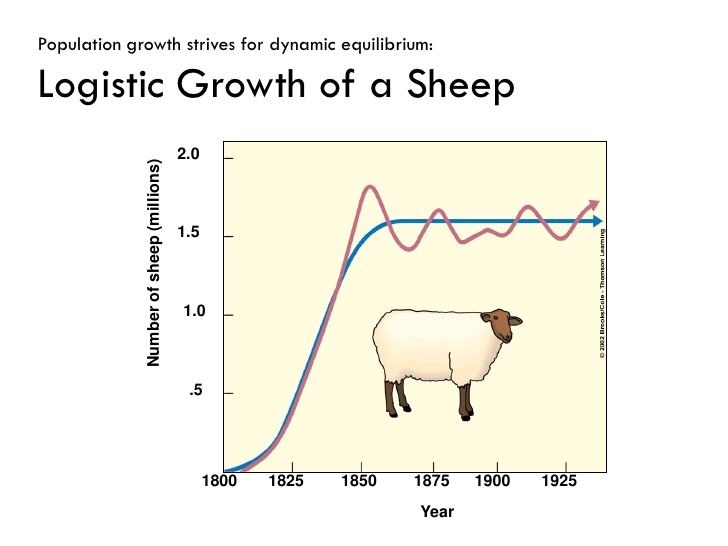

Using the graph provided, at which day did the population reach 1000 ?
Day 11
Day 12
Day 13
Day 14

logistic growth curve
exponential growth curve
If the birth rate is greater than the death rate, what type of growth can be expected?
positive growth rate
negative growth rate
no growth rate
balanced growth rate
Which of the following two species represent a relationship that has coevolved (evolved together)?
flowering plants and their pollinators (bees/hummingbirds)
foxes and their coyote competitors
house cats and their prey
rabbits and their relatives

The relationship between a clownfish (+) and a sea anemone (+) is an example of
parasite and host.
predator and prey
competition.
mutualism.

Type of dispersion of a large population of mallard ducks gathered together in a marsh?
flock dispersion
balanced dispersion
random dispersion
clumped dispersion

Which of the following species has the highest reproductive potential?
rabbit
elephant
human
horse

