
 Worksheets
Biodiversity and Biomes
Total questions: 60
Worksheet time: 56mins
The variety of organisms in an area, is also called biological diversity.
It is identified by which of the following? (Check all that apply)
species
genes
populations
communities
type of cell phone
What are the three main parts of Biodiversity? (Check all that apply)
Endangered
Species
Genetic
High Risk
Ecosystem
Match the following statements with the correct words.
biodiversity
The variety of life found on Earth.
ecological
This type of diversity refers to the ways that species interact with each other & their environment
Genetic
This type of diversity is the variation in genes within a species.
Surviving
Organisms with a large gene pool have a great chance of ____ than a population w/limited variability
Species
This type of diversity refers to the number of species & abundance of species in a particular place
(a) protection of water resources, soil formation and protection, nutrient storage and recycling, pollution breakdown, helps climate stability, maintenance of ecosystems, recovery from unpredictable events.
Which biome/ecosystem will have less diversity?
Grasslands
Hardwood Forest
Desert
Pine Forest
What does the root "bio" mean...
living
nonliving
toxic
variety
What does the root "diversity" mean...
toxic
living
variety
nonliving

What does biodiversity mean?
Only one species in an area.
The different amount of species in an area.
Nitrogen Fixation
All abiotic life.

Which biome is more likely to survive a change in the environment?
High (Rich) Biodiversity
Low(Poor) Biodiversity
Match the following biodiversity image with its level of biodiversity

High

Low

Medium

Image "B" shows more biodiversity than image "A". Why?
Because image "B" has less different species than "A"
"A" has a greater number of the same species of plants, so this statement is wrong.
Both images show the same biodiversity.
Because "B" shows more different species than image "A"

Which image shows MORE species evenness?
Image A because the amount of each tree species is closer to being equal.
Image B because the amount of each tree species is closer to being equal.
There is not enough information to answer this question.
Image A and Image B are BOTH more even because they have the same amount of tree species.


This biome has the Greatest biodiversity
desert
Temperate Forest
Taiga
Tropical Rainforest
Temperate Grassland

Which biome is the coldest?
tundra
desert
grassland
savanna
The greatest sustainability is expected in the habitat with the -
most biodiversity.
highest latitude.
largest water supply.
greatest biomass.
A forest is most sustainable when it has -
tall trees only.
small shrubs only.
flowering plants only.
a variety of plant species.
A student walks the schoolyard and observes that there are many living things such as different plants and animals. She notices that moss grows in moist shady areas but did not see any in the open yard where its sunny. What is the best explanation for her observation?
Different habitats support different plants and animals
All plants and animals can live in any environment
Schoolyards are not able to sustain living things
Schoolyards are the only places where moss can grow.
Which of the following statements about biodiversity in ecosystems is true?
Small ecosystems have less biodiversity and are affected more by natural disasters
Large ecosystems are so spread out that maintaining diversity is difficult
Stresses to an ecosystem increase biodiversity by introducing factors that lead to evolution
Despite size, ecosystems with biodiversity are better suited to handle natural disasters.
Increasing biodiversity affects the sustainability of an ecosystem by
always decreasing competition for limited resources within an ecosystem
allowing an ecosystem to survive many changes
preventing an ecosystem from surviving many changes
always increasing competition for limited resources within an ecosystem
A certain area of the Indian ocean is expected to dry up and become a desert over thousands of years. What will happen to the sustainability of this ocean?
Sustainability would increase because the number of species would increase
Sustainability would remain the same
Sustainability would decrease because the number of species would decrease
Not enough information is given
A hurricane hit a tundra and a forest. A tundra is less biodiverse than the forest. Which biome would be impacted the most?
The forest because it has more species and it wouldn't be able to sustain itself as well as the tundra
They would be impacted the same
The forest because it has more producers
The tundra because it has less species and it wouldn't be able to sustain itself as well as the forest
The ocean ecosystem has a high sustainability because of -
strong, persistent currents
predator/prey relationships
the large variety of different organisms, producers, and water
None of the above
Biomes are mainly determined by _____ and ____.
temperature
weather
precipitation
soil
rocks

What do you notice about this climate graph?
temperature is warm year round
temperature is cold year round
dry summers
most rain in the winter
What are some characteristics of deserts?
lots of trees
high average rainfall
low average rainfall
extreme temperature variations
grasslands
What are some characteristics of rainforests?
lots of trees
high year round temperature
high amount of rainfall
grasslands
low year round temperature
What are some characteristics of tundra?
permafrost
very cold, low average temperatures
lots of trees
small amount of plants
high amount of rainfall
What are some characteristics of a taiga/boreal forest?
coniferous trees
very cold
very hot
What are some characteristics of a temperate deciduous forest?
leaves change color in the fall
lots of trees
hot year round
low amount of rainfall
What are some characteristics of a temperate grassland/prairie?
lots of trees
grassland
flat
high temperatures year round
What are some characteristics of a tropical grassland/savanna?
warm temperatures
seasonal rainfall
lots of trees
grassland
low average temperature
Humans do not have an impact on biomes.
True
False
Which of the following is an example of a desert biome plant?
cactus
sunflower
pine tree
fig tree
The weather in a tundra is...
wet
cold/dry
humid
hot/dry
How many seasons does a deciduous forest have?
1
2
3
4
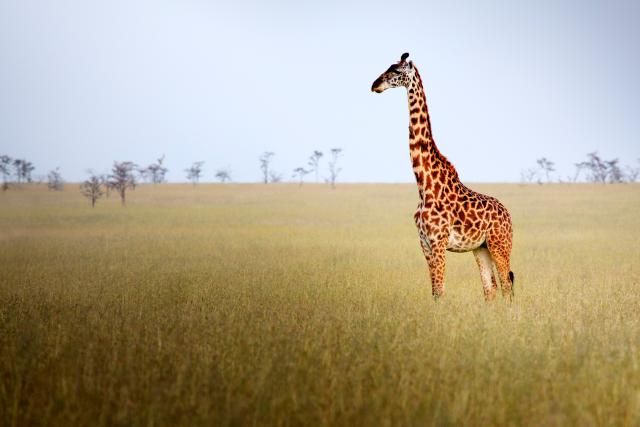
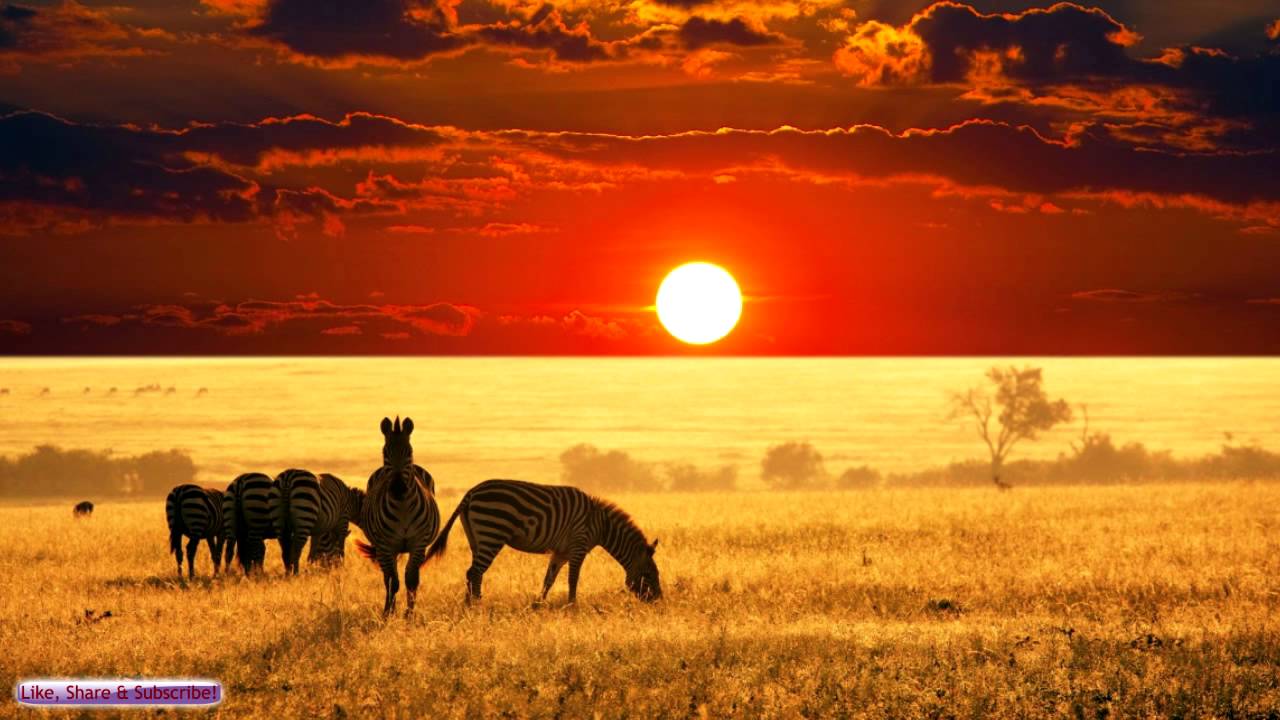
Tropical Grassland (Savanna)
Tundra
Rainforest
Temperate Grassland (Prairie)
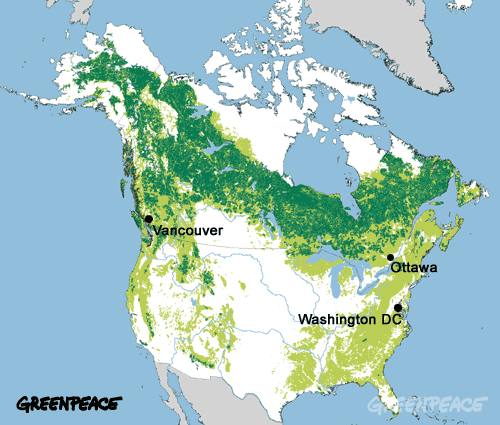
Tropical Rainforest
Taiga
Temperate Forest
Desert
Temperate Grassland
Forest
Tropical Grassland
Tundra
Plants and animals in the tundra must be able to adapt to the extremely ___________ weather
small
cold
perennials
shallow

Which land biome do we live in?
Grassland
Tundra
Temperate Deciduous Forest
Taiga

Which land biome is located near and/or along the Earth's Equator?
Grassland
Temperate Forest
Tropical Rain Forest
Tundra
The three main factors that influence life in aquatic biomes are ______________.
pollution, boats, and volcanoes
salinity, depth, and speed of water flow
rising tides, salinity, and temperature
Area of ocean that extends from the low-tide line out to the edge of the continental shelf
deep zone
neritic zone
open ocean
aphotic zone
Sunlight allows ________________ to occur in the Photic zone.
bioluminesence
transpiration
photosynthesis
voting
On the ocean floor. The ocean floor drops as you move away from the continents.
Aphotic zone
Benthic Zone
Neritic Zone
Oceanic Zone
This is the zone of the ocean where the ocean meets the land between high and low tides.
benthic zone
pelagic zone
intertidal zone
neritic zone
This zone of the ocean is the relatively shallow part of the ocean above the continental shelf where light reaches the ocean floor.
neritic zone
intertidal zone
benthic zone
pelagic zone

