
 Worksheets
Diversity of Life-Reproduction Asexual -Sexual
Total questions: 74
Worksheet time: 2hrs 28mins

It can reproduce more rapidly.
It can adapt faster to its environment.
It can increase the diversity of inherited traits.
It can eliminate unfavorable traits from the gene pool.

inherited from only one parent.
created by the environment.
passed on from two parents.
learned from siblings.

sexual
asexual

The process that produces an offspring through the combination of 50% of the female chromosomes and 50% of the male chromosomes. forexample:egg and sperm
sexual reproduction
fertilization
diploid cell
haploid cell


requires lots of time/energy
no new gene combos can arise
diversity
looks identical to the parent

When organisms reproduce sexually,
offspring are genetically identical to its parents.
offspring contain half a set of chromosomes
they do not need to find a mate.
they may have a better chance of surviving in a changing environment.

Why do seeds dispersed far from the parent plant have a better chance of surviving?
They don't have to compete for light, water, and nutrients.
They don't rely on animals for dispersal.
They don't require pollination.
They do not undergo the gametophyte stage.

The picture below would be an example of which characteristic of life?
Organization
Growth and development
Response to stimuli
Reproduction

The processes require egg cells
New cells are produced
Two parents are required
The processes produce genetically unique offsprings

Asexual reproduction is associated with what type of cell division?
Mitosis
Meiosis

Genetically identical offspring are _____________ the parent organism.
opposite of
clones of
superior to
inferior to

Male and female reproductive cells are collectively known as:
spores
pollen
gametes
offspring

____________________ occurs when a male gamete (sperm) combines with a female gamete (egg).
sporulation
fertilization
fission
regeneration

Some advantages of sexual reproduction include: (select all that apply - there are 3)
genetic variation
improves chances of adapting to the environment
helps species survive catastrophes
it doesn't take as much energy as asexual reproduction

What are some advantages of asexual reproduction are: (select all that apply - there are 3)
it only requires one organism
it takes less energy than sexual reproduction
offspring are already well-adapted for the environment
there is a lot of genetic variety

The female sex cell or gamete
sperm cell
egg cell
sex cell
female cell

Can plants reproduce sexually?
Yes
No

A disadvantage of external fertilization is...
There can only be a low number of offspring
Many eggs are not fertilized and are therefore, wasted
The offspring is nurtured in the womb
It takes a lot of energy

Potatoes reproduce by growing sprouts on their surfaces as shown.
When planted, these sprouts grow into new plants. This is an example of
pollination.
asexual reproduction.
fertilization.
seed production.

A diagram of a plant cell is shown.
What process is shown in the diagram?
meiosis
mitosis
respiration
mutation

Which trait of the salamander pictured below is most likely not inherited from his parents?
skin color
body length
missing limb
lack of claws

Which of these cell parts store genetic instructions for the entire organism and transfer those instructions from one generation to the next?
chloroplasts can make food from the sun and pass on that food to the offspring
mitochondria in the power center of the cell
DNA molecules coiled up in the chromosomes
nuclear membranes to make clear the genetic material

Which of these is defined as “the passage of genetic instructions from one generation to the next?”
growth
heredity
development
reproduction

Eye color in human beings is an
instinct.
acquired trait.
inherited trait.
environmentally influenced trait.

Which of these is most likely the cause of a father and son having almost identical-sounding voices?
learned behaviors
environmental conditions
inherited characteristics
instinctive characteristics

Which of the following is a part of the process of sexual reproduction?
budding
regeneration
pollination
fragmentation

Peacocks perform an elaborate dance while displaying their tail feathers. What purpose does this action most likely serve for the peacock?
It keeps their feathers clean.
It enables them to attract a mate.
It allows them to more easily lose their feathers.
It distracts other animals so the peacock can escape.

___________________ is a type of asexual reproduction in which a piece of a parent organism breaks off to form an new organism (ex. starfish).
fission
budding
fragmentation
fertiliztion
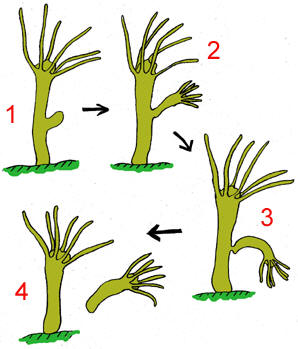
When an offspring grows off from the body of a parent organism it is called __________________.
budding
fission
fragmentation
sporulation

A flatworm is cut in half and grows into two flatworms, is an example of which type of asexual reproduction...
Vegetative
Binary fissioin
Fragmentation
Parthenogenesis
Sporogenesis

An amoeba replicates its genetic material and divides into 2 identical daughter cells is an example of which type of asexual reproduction...
Vegetative
Binary fission
Fragmentation
Parthenogenesis
Sporogenesis

The sugar glider has 22 chromosomes in its body cell. How many chromosomes are in its gametes (sex cells)
22
11
44
5.5

The lion has 19 chromosomes in its gametes (sex cells). How many chromosomes are in its body cells?
19
9.5
38
76

The reproductive structure of a plant.
flower
leaf
stem
root

The diagram below represents reproduction in a yeast cell. The genes in the bud are identical to the genes in the parent. This type of production of offspring is a form of
sexual reproduction
asexual reproduction
gene manipulation
genetic engineering

Which of the following is a key difference between mitosis and meiosis?
Genetic variation occurs in meiosis; mitosis results in two identical daughter and parent cells.
There is no interphase before meiosis occurs.
Mitosis involves two cells divisions, while meiosis involves only one.
All of these choices are key differences.

Mitosis is significant in helping to maintain the continuation of a species by
producing gametes that are genetically different
creating somatic cells with half the number of chromosomes as the parent cell
producing an unequal amount of egg and sperm
allowing an organism to reproduce asexually to create identical copies of themselves

Where is the ovule(egg) found in a flower?
Petals
Style
Nectary
Ovary

What is the name of the structure labelled X in the diagram?
Carpel
Sepal
Stamen
Peduncle

Where do the seeds of pine and fir trees form?
Pinecones
Ovary
Stem
Roots

What part of the flower attracts insect with bright colors and sweet smells?
Nectar
Leaves
Stem
Petals

What sticks to an insect when they land on a flower and helps fertilize other flowers?
Soil
Nectar
Pollen
Anther

Moss, ferns, and mushrooms reproduce with what?
Seeds
Pinecones
Wind
Spores

Why did the computer go to the doctor?
It had a fever.
It was overheating.
It had a virus.
It was sick.

What do you call an old snowman?
Gramps
Old Snow
Water
Geezer

What do you get when you cross a snake with a pie?
a pie thon
a snake and bean pie
bitten
something yucky

Which part of the flower attracts animals with its colours?
Sepals
Petals
Stem
Stigma

The flower produces ___________ that will grow into new plants.
cones
pollen
seeds
spores

The female organ part of a flower. It consists of three sub-parts the STIGMA, STYLE, and OVARY.
Stamen
Petals
Style
Pistil
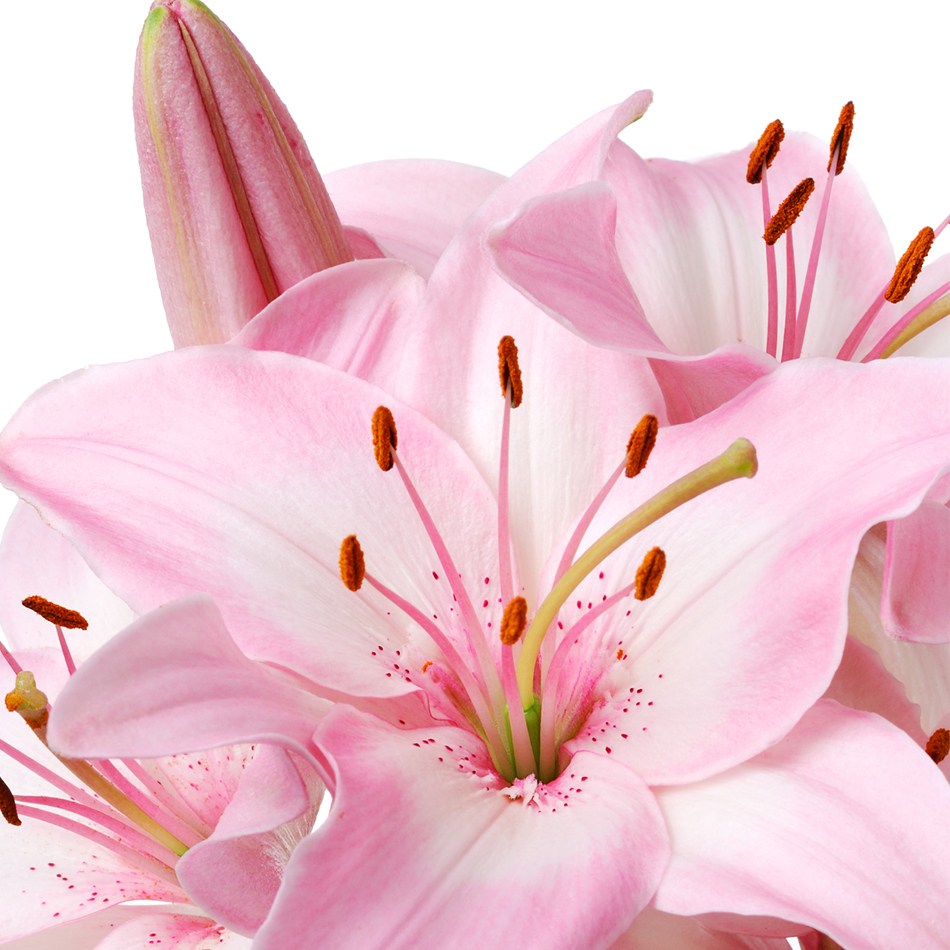
The male part of the flower is called__________.
the stamen
the petal
the style
the pistil

The tip of the style that has sticky hairs to trap pollen is the ___.
stamen
stigma
ovary
style

The transfer of pollen, containing the sperm cells, to the female part of the flower.
seed disperal
pollination
germination
fertilization

The ovary, style, and the stigma make up the female part of a plant called the ?
stamen
petals
stem
carpel (pistil)

After fertilization what does the ovary develop into?
Fruit with the seeds inside
Buds and new flowers
butterflies, bees and other pollinators
Roots, stems and flowers

I am a flower that produces nectar. What is the function of the nectar?
To provide food for the flower
To attract pollinators
To attract animals to disperse the fruits
To produce perfumes for Man


The male reproductive structure of a flower is the ___.
pistil
ovary
stamen
ovule

What is pollination?
how plants grow
how pollen is made
how plants reproduce
how animals reproduce

The yellow, powdery stuff on the anthers
Pollen
Dust
dirt
Germs

What part of the flower must the pollen go down to reach the egg?
Pistil
Stamen
Flower
Anther

Self pollination can occur within the same flower.
True, but it is rare
False
True, that's the only way pollination can work

Pollination is the process by which the pollen grains are transferred from the ________ to the _________.
anther(the top of the stamen)... ovary
anther(the top of the stamen) ... pistil(the top of the ovary)
pistil(the top of the ovary) ... ovary
pistil(the top of the ovary) ... filament(the bottom of the stamen)

What is part of some plants that have seeds and is usually sweet?
The fruit
Pistil
pollen
root

Place the following images in the correct order that represents pollination.
2,3,1,4
3,2,4,1
1,2,3,4
2,3,4,1

What do you call Santa when he takes a break?
Santa Pause.
Tinsil-itis!
Subordinate clauses.
The Christmas alphabet has No-el.es

What does Mrs. Claus say to Santa when there are clouds in the sky?
Santa Pause.
Tinsil-itis!
It looks like rain, deer.
Do you smell carrots?

What’s the difference between Santa and a knight?
Ice caps!
One slays the dragon, the other drags the sleigh.
He uses Comet.
Santapplause!

What do you say to Santa when he’s taking attendance at school?
Ice caps!
One slays the dragon, the other drags the sleigh.
One that’s deep-pan, crisp and even!
Present

What kind of music do elves like best?
Shelf
One slays the dragon, the other drags the sleigh.
Wrap music
Santapplause!

