
 Worksheets
States of Matter
Total questions: 52
Worksheet time: 56mins

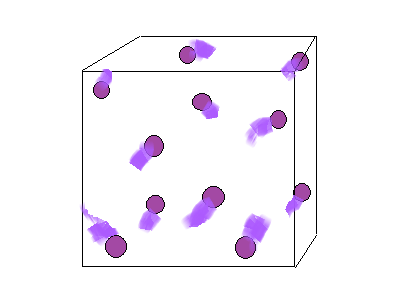
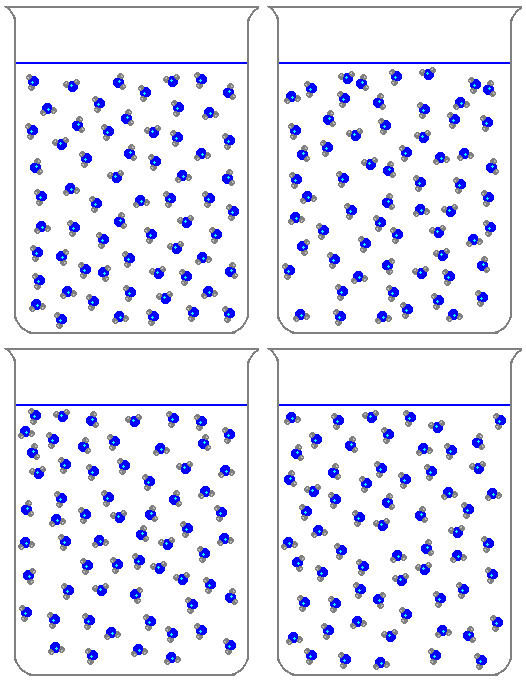


State of matter with a definite shape and definite volume.
solid
liquid
gas
State of matter with no definite shape and no definite volume.
solid
liquid
gas
Particles are closely spaced.
solid
liquid
gas
Particles vibrate in place and do not change relative positions.
solid
liquid
gas
Particles are not so closely spaced and slide past each other.
solid
liquid
gas
Particles are widely spaced except when they collide.
solid
liquid
gas
Basic state of matter with an intermediate (medium) amount of energy.
solid
liquid
gas


An example of water in its solid state:
Hail
Rain
Sweat
Dew
Very early one chilly morning, Miguel was surprised to find the grass in his yard was wet, even though it had not rained for several days. His mother told him it was "dew". Which of the following word explain how the dew formed?
Boiling
Freezing
Evaporation
Condensation
Melting ice is a __________ change.
Solid
Chemical
Physical
Liquid
Victor notices that it is snowing outside, and the snow is sticking to the ground. What can we infer about the temperature outside.
It is probably exactly 0 C.
It is probably O C or colder.
It is probably exactly 32 C.
It is probably -32 C or colder.
Which of the following statements best describes the movement of particles in a liquid?
they do not move.
they vibrate
they slide around each other
they fly around freely
The particles in water move fastest in water that is
Frozen
Liquid
Melting
Boiling
On Earth matter exists in different states. What are the states of matter?
gas, solid, ice
gas, solid, snow
gas, solid, liquid
gas, solid, water
How can water change from one state of matter to another?
Liquid water is heated to make ice, and ice is heated to make steam.
Ice is heated to make steam, and steam is heated to make liquid water.
Liquid water is heated to make steam, and steam is heated to make ice.
Ice is heated to make liquid water, and liquid water is heated to make steam.
Which statement below best describes the properties of liquids?
Liquids have both a definite shape and a definite volume.
Liquids have a definite volume but no definite shape.
Liquids have a definite shape but no definite volume.
Liquids have no definite shape or volume.
Condensation is actually...
Drops of water vapor from the air which turned to liquid.
Drops are liquid water coming from inside the glass.
Drops are Mt. Dew seeping from the glass.


What is the change from solid state to liquid state called?
a. Vaporation
b.Melting
c. Evapoation
What is the change of matter from a gas to a liquid?
a. evaporation
b. condensation
c. freezing
When enough ______________ is added to the solid ice cubes, the melt.
a. water vapors
b. particles
c. heat energy
When a liquid changes to a gas, it
a. evaporates
b. condenses
c. freezes
When the temperature of the water reaches ______, the water boils, or forms bubbles of gas.
a. 0°C
b. 100°C
c. 50°C
Evaporation and Boiling are similar in some ways. One of the statement is incorrect. Which one?
Evaporation and Boiling are similar because both need heat energy to change from one state to another
Evaporation and Boiling are similar because in both the processes, there is change of state from Liquid to Gas
Evaporation and Boiling are similar because they involve movement of particles after gaining energy.
Evaporation and Boiling are similar because they are siblings.
What is a very important difference between Evaporation and Boiling, taking example of water?
Evaporation can start at a much lower temperature than boiling ( 100 degrees Celsius)
They are both the same. No difference.
Boiling occurs first and then evaporation.
A blow dryer helps in drying wet hair? What features or factors help in drying? Tick the 2 correct answers.
Heat produced by the blow dryer helps in giving energy to particles on the hair surface, and makes the water particles move further away.
The air that forces out from the appliance, blows away the water particles
There is a sponge which comes out and soaks the water.
You actually blow over your hair, yourself.
Rate of evaporation is dependent on few factors. Which one of these is incorrect.
Surface area of the liquid
Surrounding temperature
Air or Wind that blows
The placing of the container( exposure to sunlight)
Colour of the surrounding walls.
One of the statements is incorrect. Which one?
Freezing point is the temperature at which liquid becomes solid.
Boiling point of water is 100 degrees Celsius.
Melting point is the temperature at which solid becomes liquid.
Melting melting point are one and the same.

