
 Worksheets
Physical Science: Matter FSA Study Guide
Total questions: 74
Worksheet time: 1hrs 10mins


One of the fundamental states of matter without a definite volume or shape.
Solid
Gas
Liquid
Matter

One of the fundamental states of matter with a definite volume but no definite shape.
Solid
Gas
Liquid
Mass

The amount of matter an object contains.
Matter
Solid
Gas
Mass

Substance that has mass and takes up space.
Matter
Volume
Solid
Gas

One of the fundamental states of matter with a definite shape and a definite volume.
Matter
Volume
Solid
Liquid

The amount of space that an object or substance occupies.
Mass
Gas
Matter
Volume
To mix with a liquid so that the result is a liquid that is the same throughout
Solid
Mixture
Dissolve
Volume
Made from two or more kinds of matter that a physically blended together.
Mixture
Mass
Dissolve
Liquid
A reaction or a change in a substance produced by a chemical means that forms a new substance.
Gas
Physical Change
Matter
Chemical Change
A change in which the form or shape of a substance changes; does not result in the formation of a new substance
Volume
Physical Change
Liquid
Chemical Change
Which of the following are OBSERVABLE properties of matter? Select all that apply.
Texture
Shape
Size
Color
Mass
When you look at the _____ of a piece of fruit, it may tell if the fruit is ripe or not.
shape
shininess
color
solubility
Why shouldn’t we rely on color only to identify an object?
Many substances do not have a color.
Many substances can change color.
Many substances share the same color.
Many substances come in more than one color.
A physical property that describes how hot or cold an object is
Mass
Volume
Temperature
Texture
How an object feels
Texture
Color
Shape
Volume
Measurable physical properties
Temperature, Mass, Texture, Volume
Temperature, Mass, Volume, Length
Mass, Texture, Color, Length
Observable Physical Properties of Matter
Volume, Temperature, Mass, Length
Volume, Color, Texture, Mass
Color, Texture, Sink or Float, Mass
State of Matter, Sink or Float, Color, Texture


Camila wants to know the mass of a liquid that is inside a glass. After measuring it, she records the following numbers.
The mass of the liquid is:
50g
30g
20g
80g

What is the mass on this triple beam?
142.0 g
42 g
102.0 g
140.2 g


Which tool is best used to accurately measure liquid volume?
Test tube
Beaker
Graduated cylinder
Triple Beam Balance

If I dissolve sugar in water, what is the solution?
water
sugar
sugary water
none of the above
Julia is looking for examples of substances that will dissolve in water. She experiments with some things she finds in her kitchen at home.
Which of these will NOT dissolve in water?
salt
sugar
olive oil
baking powder
Ruth wanted to surprise her family by making cookies. She found a recipe to make
shortbread cookies. She needs butter, sugar, flour, baking powder, vanilla, and salt.
Which of the foods in Ruth’s recipe will NOT dissolve in water?
salt
baking powder
butter
sugar

Anna filled a thermos full of hot tea. Then she added a sugar cube.
Anna wants to make the sugar cube dissolve more quickly. Which of these will NOT
work?
stirring the hot tea
shaking the thermos
adding ice cubes to cool the tea
breaking the sugar cube into smaller pieces

Mark and Susan added salt to a flask of water at 9:05 A.M.
What most likely happened in the next 2 minutes?
The salt floated away
The salt dissolved in the water.
The temperature of the water increased.
The salt settled to the bottom of the flask.

Darla put some sugar in a pitcher of iced tea.
Why is Darla stirring the iced tea?
Stirring makes the iced tea colder
Stirring makes the sugar dissolve more quickly
Stirring keeps the sugar from forming into larger pieces
The sugar will not dissolve unless she stirs the iced tea.

Rey is making soup. He will dissolve cubes of instant soup mix in hot water.
How can Rey make the soup cubes dissolve more quickly in the water?
use less water
use more water
add ice cubes to cool the water
break the soup cubes into smaller pieces

Sharla is using powdered mix to make hot chocolate. She will boil some water and
then stir in the mix.
What is the best way to make the powdered mix dissolve more quickly?
use cold water
use more water
stir the mix more slowly
stir the mix more quickly

Ernesto and Amanda fill two cups with water. They use hot water in one cup and cold
water in the other cup. Next, they will stir a spoon of salt into each cup.
What will most likely happen to the salt in the cups?
The salt will not dissolve in either cup
The salt will dissolve more slowly in the hot water.
The salt will dissolve more slowly in the cold water.
The salt will dissolve at the same speed in both cups.
Aliria and Charlie each dropped a sugar cube into a beaker of water. Aliria’s sugar
cube dissolved faster. What could be a reason that Aliria’s sugar cube dissolved faster?
Charlie used more water than Aliria
Charlie stirred the water and Aliria did not.
Aliria used warmer water than Charlie.
Aliria used a larger cube of sugar than Charlie
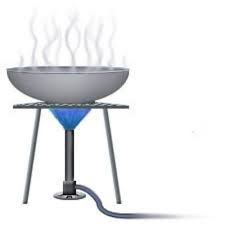
Name the separation technique shown in the diagram.
evaporation
distillation
filtration

This method is used to separate metals from non metals.
use of magnet
physical manipulation
sieving
chromatography

What mixture could you use this tool to best separate that mixture?
Sugar and Salt
Sand and rocks
Apples and grapes
Which mixture can easily be separated by Hand/Tweezers


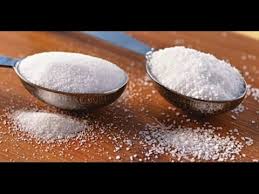
The science teacher accidentally combined metal shavings with sand, what method can be used to separate the mixture?


If you had a mixture of rocks and sand and needed to separate them what method would work best?


What methods have we discussed, that we could use to separate mixtures? Check all that apply, there will be more than one answer.
Handpicking/Tweezers
Sieving or Sifting
Evaporation
Magnetic Separation-
None of the above.
True or False: You can use your hands or tweezers to separate salt from water.
True
False
True or False: The best way to separate rocks and sand is to use a sieve to sift the sand, this will allow the sand to fall through and the rocks to stay.
True
False
Which tools are best for separating a mixtures of sand, iron filings, and water?
Hot plate and filter
Tweezers and filter
Filter and magnet
Magnet and hot plate
Which mixture can be separated using a filter?
sand and iron filings
saltwater
sand and water
none of the above
A cup of orange juice with pulp is poured into a glass. Which of these procedures could be done to separate the juice from the pulp?
pour the juice through a coffee filter
heat the juice in a pot until boiling
pour the juice in another cup
allow the mixture to settle, leaving the pulp at the bottom of the glass
All of these can be separated easily EXCEPT -
nuts, bolts, and screws
powdered drink mix, sugar and water
sand and water
iron filings and sand
A physical change...
changes the physical properties of an object, but does not create a new substance.
creates a new substance and cannot be undone.
A chemical change
changes the physical properties of an object, but does not create a new substance.
creates a new substance and cannot be undone.

Is this an example of a physical or chemical change?
physical
chemical

Is this an example of a physical or chemical change?
physical
chemical

Is this an example of a physical or chemical change?
physical
chemical

Is this an example of a physical or chemical change?
physical
chemical

Is this an example of a physical or chemical change?
physical
chemical

Is this an example of a physical or chemical change?
physical
chemical

Is this an example of a physical or chemical change?
physical
chemical

Is this an example of a physical or chemical change?
physical
chemical

Is this an example of a physical or chemical change?
physical
chemical

Is this an example of a physical or chemical change?
physical
chemical

Is this an example of a physical or chemical change?
physical
chemical

Is this an example of a physical or chemical change?
physical
chemical

Is this an example of a physical or chemical change?
physical
chemical

Is this an example of a physical or chemical change?
physical
chemical

Is this an example of a physical or chemical change?
physical
chemical

Is this an example of a physical or chemical change?
physical
chemical

Is this an example of a physical or chemical change?
physical
change

