Wayground logo

Free Printable Worksheets

Font size

S
M
L
XL
Worksheets

Test 2 Review

Total questions: 51

Worksheet time: 29mins

Name
Class
Date
1.

What is the largest division of time in the geological timescale?

a)

Eon

b)

Era

c)

Epoch

d)

Period

2.

In which era do we currently live?

a)

Jurassic

b)

Paleozoic

c)

Mesozoic

d)

Cenozoic

3.

What is the next smallest division of time after eras in the geological timescale?

a)

Eon

b)

Epoch

c)

Age

d)

Period

4.

a mass extintion is

a)

a short geological time when most species die

b)

a short geological time when some species die

c)

a long geological time when most species die

d)

a long geological time when a fraction of species die

5.

if the last member of the species dies it is called

a)

extinction

b)

relative datin

c)

absolute dating

d)

geological timescale

e)

mass extinction

6.

It is the calendar scientists use to outline the history of life on Earth, It is organized in chronological order with all the fossils of past life on earth.

a)

extinction

b)

relative datin

c)

absolute dating

d)

geological timescale

e)

mass extinction

7.

You are in this era

a)

precambrian times

b)

paleozic era

c)

cenozoic era

d)

mesozoic era

8.

this skill belonged to an animal that existed 3 million years ago, what era did it belong to?

a)

mesozoic

b)

cenozoic

c)

paleozoic

9.
How old do Paleontologists believe the Earth is?
a)
2015 years old
b)
3.6 billion years old
c)
4.6 billion years old
d)
4.6 million years old
10.
Which of the following places the geologic time eras in order from oldest to most recent?
a)
Precambrian, Paleozoic, Mesozoic, Cenozoic
b)
Mesozoic, Cenozoic, Paleozoic, Precambrian
c)
Cenozoic, Mesozoic, Paleozoic, Precambrian
d)
Paleozoic, Cenozoic, Precambrian, Mesozoic
11.
The ______________ era covers almost 90% of earth's history.
a)
Paleozoic 
b)
Mesozoic 
c)
Cenozoic
d)
Precambrian 
12.
According to the law of superposition, which layer is the youngest?
a)
A
b)
B
c)
C
13.
Scientists chose where units of geologic time began and ended based on major changes in life forms at certain times.
a)
True
b)
False
14.
The Geologic Time Scale is a record of what?
a)
old geologists
b)
sweet geology music
c)
the known history of rocks and fossils
d)
a list of every living thing ever
15.
What are the 3 major types of rocks?
a)
Igneous, Metamorphic, Sedimentary
b)
Metamorphic, Igneous, Cementation
c)
Brown, Red, Gray
d)
Streak, Hardness, Breakage
16.
This rock was formed by smaller pieces of rock that settled at the bottom of a lake millions of years ago. What type of rock is this?
a)
Sedimentary
b)
Igneous
c)
Metamorphic
17.
This rock was found near the mouth of a volcano. What type of rock is this?
a)
Sedimentary
b)
Igneous
c)
Metamorphic
18.
This rock was formed when molten rock cooled into a solid. What type of rock is it?
a)
Igneous Rock
b)
Metamorphic Rock
c)
Sedimentary Rock
19.
Which type of rock is formed from INTENSE heat and pressure?
a)
igneous
b)
sedimentary
c)
metamorphic
20.
Extreme Heat and Pressure creates a _________ rock.
a)
Igneous
b)
Metamorphic
c)
Sedimentary
d)
Mineral
21.
This rock was molten magma that slowly cooled under the ground. What type of rock is this?
a)
Sedimentary
b)
Igneous
c)
Metamorphic
22.

What type of rock is made of tiny fragments of rocks?

a)

SEDIMENTARY

b)

IGNEOUS

c)

METAMORPHIC

23.
Which type of rock is formed when heat or pressure changes it?
a)
sedimentary
b)
igneous
c)
metamorphic
d)
all of the above
24.

Which rocks are made by heat and pressure?

a)

IGNEOUS

b)

SEDIMENTARY

c)

METAMORPHIC

25.
Igneous rocks form from ______ from volcanoes. 
a)
pebbles
b)
magma
c)
stones
d)
hot air
26.
Metamorphic rocks are formed when ______ and ________ shape the rocks.
a)
magma
b)
pebbles
c)
weather
d)
heat, pressure
27.
Metamorphic rocks are ______________
a)
full of holes
b)
smooth with layers of rock that are different colors
c)
sock and break easy
d)
made from crushed pebbles
28.
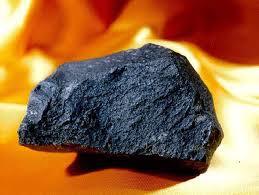
Which type of rock is shown? 
a)
igneous
b)
rock cycle
c)
sedimentary 
d)
metamorphic
29.
Which type of rock is shown?
a)
sedimentary 
b)
igneous
c)
metamorphic
d)
Sponge Bob
30.
Which type of rock is shown? 
a)
metamorphic
b)
sedimentary 
c)
elementary
d)
igneous 
31.
This rock formed when bits of other rocks became pressed into a solid. What type of rock is it?
a)
Sedimentary Rock
b)
Metamorphic Rock
c)
Igneous Rock
32.
What are the 3 major types of rocks?
a)
Igneous, Metamorphic, Sedimentary
b)
Metamorphic, Igneous, Cementation
c)
Brown, Red, Gray
d)
Streak, Hardness, Breakage
33.
Which of the words below describe broken up rock?
a)
stalactites
b)
magmas
c)
metamorphs
d)
sediments
34.
This rock was formed by smaller pieces of rock that settled at the bottom of a lake millions of years ago. What type of rock is this?
a)
Sedimentary
b)
Igneous
c)
Metamorphic
35.
When sediments are pressed together tightly, this is called ____________.
a)
Compaction
b)
Cementation
c)
Weathering
d)
Erosion
36.
True or False: Once a rock is sedimentary, it cannot become an igneous rock.
a)
True
b)
False
37.
This rock started as lava that cooled and then was heated and put under pressure over time. What type of rock is this?
a)
Sedimentar
b)
Igneous
c)
Metamorphic
38.
Fossils are only found in
a)
Sedimentary rocks
b)
Foliated Metamorphic rocks
c)
Igneous Rocks
d)
Nonfoliated Metamorphic rocks
39.
Large rocks can be broken down into smaller rocks by wind and water.  These small rocks can break down into very tiny pieces called _______.
a)
minerals
b)
pebbles
c)
sediments
d)
chalk
40.
A never ending process by which rocks are changed from one type to another.  
a)
weathering and erosion
b)
rock cycle
c)
heat and pressure
d)
pressing and cementing
41.
1. What will happen if an igneous rock is put under an extreme amount of heat and pressure?
a)
it will melt into lava
b)
it will weather and erode
c)
it will become a metamorphic rock
d)
it will become a sedimentary 
42.

Which is the only type of rock that can contain fossils?

a)

igneous

b)

metamorphic

c)

sedimentary

43.

__________ rocks have very shiny crystals.

a)

igneous

b)

metamorphic

c)

sedimentary

44.

Sedimentary rock is formed from_________.

a)

cooling of magma or lava

b)

melting

c)

compacting and cementing

d)

heat and pressure

45.

Metamorphic rock is formed from _________.

a)

melting

b)

weathering and erosion

c)

compacting and cementing

d)

heat and pressure

46.

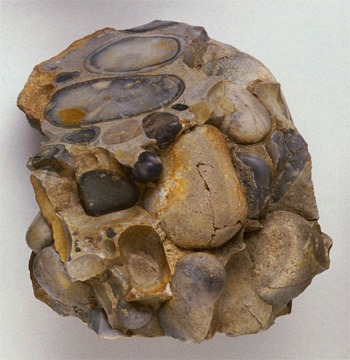
This is Conglomerate. This is a ____________ rock because sediment has been compacted and cemented together to form this rock.

a)

igneous

b)

metamorphic

c)

sedimentary

47.
The process by which igneous rocks are formed...
a)
heat and pressure
b)
melting and cooling
c)
weathering and erosion
48.
The process by which metamorphic rocks are formed...
a)
heat and pressure
b)
erosion and deposition
c)
melting and cooling
49.
Rock that forms when sediment from older rocks get pressed and cemented together.
a)
Sedimentary Rock
b)
Metamorphic Rock
c)
Igneous Rock
50.
Which type of rock is made by small bits of rock, mud, or sand compacted and cemented together?
a)
Coal
b)
igneous
c)
metamorphic
d)
sedimentary
51.
Each rock type can follow only one pathway of the rock cycle.
a)
True
b)
False