wayground logo

Free Printable Worksheets

NEW

Font size

S
M
L
XL
Worksheets

Lesson 1 Final Review

Total questions: 50

Worksheet time: 28mins

Name
Class
Date
1.
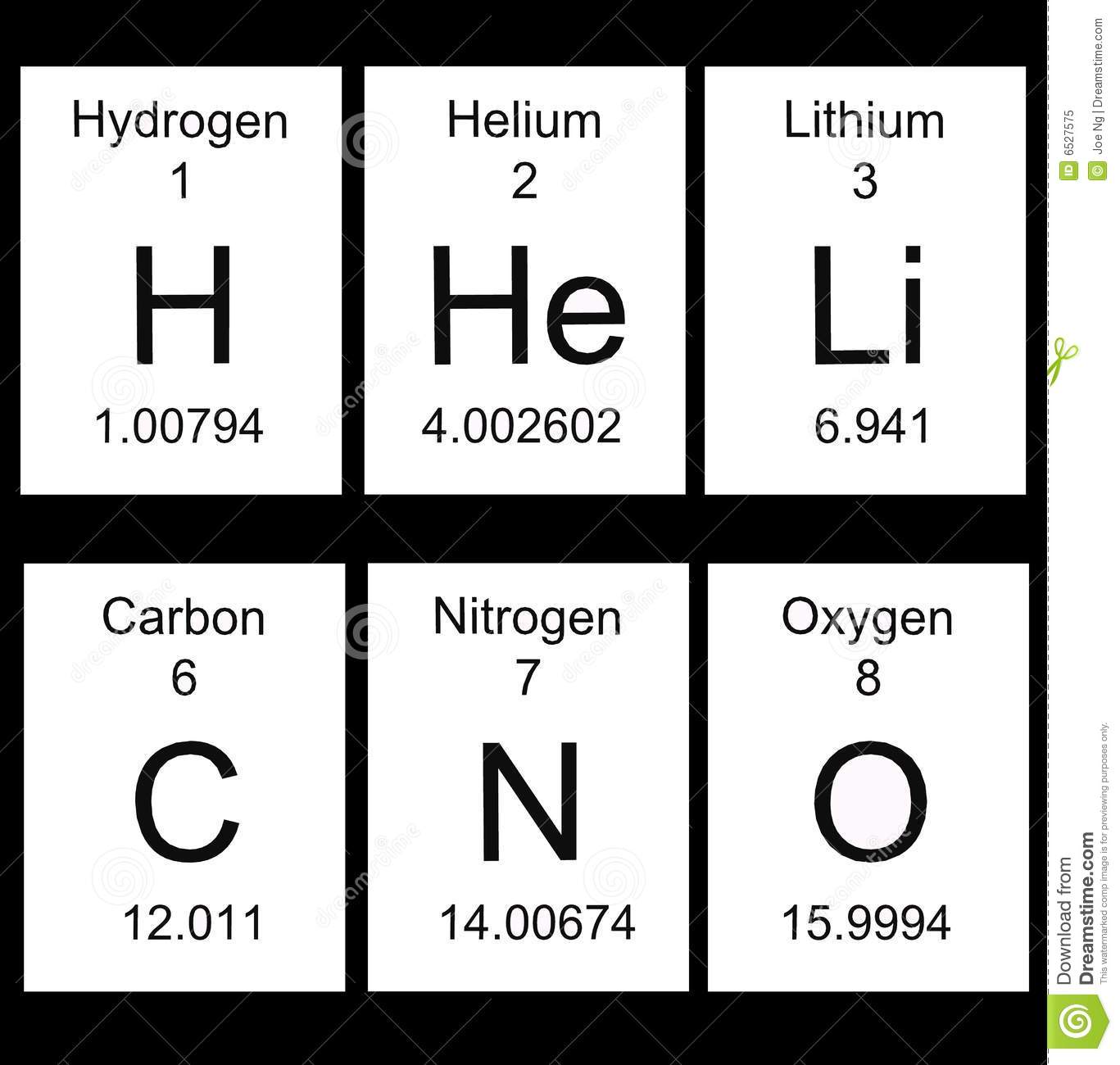
Which number represents the atomic number of this element?
a)
12.011
b)
6
c)
3
d)
12
2.
Which number represents the atomic mass of this element?
a)
12.011
b)
6
c)
3
d)
C
3.

The "C" on this element square is called the...

a)

atomic number

b)

atomic mass

c)

element name

d)

symbol

4.
The atomic number is also equal to the number of .....
a)
protons & neutrons
b)
neutrons & electrons
c)
protons & electrons
d)
all of the subatomic particles
5.
To find the number of neutrons in an atom you have to ....
a)
Add the protons and electrons
b)
Subtract the atomic number from the atomic mass
c)
Subtract the electrons from the protons
d)
Add the atomic number to the atomic mass
6.

Which subatomic particles are located in the electron cloud?

a)

protons

b)

neutrons

c)

electrons

d)

nucleus

7.

Which subatomic particles are located in the nucleus of an atom?

a)

electrons and neutrons

b)

protons and electrons

c)

electrons and protons

d)

protons and neutrons

8.
What is the smallest unit of all matter?
a)
atom
b)
cell
9.
What is located in the center of an atom?
a)
electron cloud
b)
valence electrons
c)
empty space
d)
nucleus
10.
A positively charged particle that is found in the nucleus of an atom is called a ....
a)
neutron
b)
electron
c)
protron
11.
A particle that is found in the nucleus that has no charge or is neutral is called a ....
a)
proton
b)
neutron
c)
electron
12.
A negatively charged particle that is located in the electron cloud of an atom is called...
a)
proton
b)
neutron
c)
electron
13.
What are valence electrons?
a)
Electrons that are found in the outermost energy level.
b)
The total number of electrons in an atom.
c)
Electrons that are found the closest to the nucleus.
14.
How many protons are in an atom of this element?
a)
5
b)
10
c)
20
d)
20.1797
15.
How many electrons are in an atom of this element?
a)
28
b)
7
c)
14
d)
28.0855
16.
How many neutrons are in an atom of this element?
a)
2
b)
4
c)
4.0026
d)
1
17.
How many neutrons are in at atom of this element?
a)
3
b)
6.941
c)
4
d)
7
18.
What color are the metals on this periodic table?
a)
green
b)
yellow
c)
blue
19.
What color are the metalloids on this periodic table?
a)
blue
b)
yellow
c)
green
20.
What color are the nonmetals on this periodic table?
a)
blue
b)
yellow
c)
green
21.
The element Chromium, symbol Cr, is located in which group and period on the periodic table?
a)
Group 1 / Period 4
b)
Group 4 / Period 6
c)
Group 6 / Period 4
d)
Group 6 / Period 1
22.
The element Hydrogen, symbol H, is located in which group and period on the periodic table?
a)
Group 1 / Period 1
b)
Group 1 / Period 2
c)
Group 1 / Period 18
d)
Group 2 / Period 1
23.
The element Zinc, symbol Zn, is located in which group and period on the periodic table?
a)
Group 4 / Period 12
b)
Group 13 / Period 4
c)
Group 12 / Period 4
d)
Group 12 / Period 12
24.

What determines the identity of an element?

a)

Number of Protons

b)

Number of Neutrons

c)

Number of Electrons

d)

Number of Valence Electrons

25.

Elements that are in the same group share similar chemical properties?

a)

TRUE

b)

FALSE

26.

How many electrons can fit in the 3rd energy level?

a)

2

b)

8

c)

10

d)

16

27.

How many electrons can fit in the FIRST energy level?

a)

2

b)

8

c)

6

d)

1

28.

How many electrons can fit in the SECOND energy level?

a)

2

b)

8

c)

6

d)

1

29.

The Atomic Number is also equal to:

a)

protons & neutrons

b)

protons & electrons

c)

electrons & neutrons

d)

mass number

30.

What are the vertical columns on the Periodic Table called?

a)

GROUPS

b)

PERIODS

31.

What are the horizontal rows on the Periodic Table called?

a)

GROUPS

b)

PERIODS

32.

What is a proton?

a)

a negatively charged particle in an atom.

b)

a particle in an atom with no charge.

c)

a positively charged particle in an atom.

d)

a particle in an atom with excessive energy.

33.

Anything that has mass and takes up space is referred to as ______.

a)

Matter

b)

Mixture

c)

Mass

d)

Chemistry

34.

An element is

a)

a simple chemical

b)

a complex chemical

c)

a simple partilcle made of one type of atom

d)

a particle made of different types of atoms

35.

elements always found to the LEFT of the jagged line on the periodic table.

a)

metals

b)

non-metals

c)

metalloids

d)

compounds

36.

elements always found to the RIGHT of the jagged line on the periodic table.

a)

non-metals

b)

metals

c)

metalloids

d)

elements

37.

elements that have properties of metals and non-metals; many of them directly touch the jagged line on the periodic table.

a)

metalloids

b)

mass

c)

elements

d)

compounds

38.
The number at the bottom of each square on the periodic table is the ...
a)
atomic number
b)
atomic mass
c)
chemical symbol
d)
element name
39.

a subatomic particle, contained in the nucleus of an atom, having the same mass as a proton but no electrical charge

a)

proton

b)

neutron

c)

electron

d)

matter

40.

the positively charged subatomic particle contained in the nucleus of an atom

a)

proton

b)

neutron

c)

electron

d)

matter

41.
How many elements are represented in the compound?
Na2CO3
a)
1
b)
2
c)
3
d)
4
42.

Which is a substance made up of only one kind of atom?

a)

compound

b)

mixture

c)

solution

d)

element

43.
This indicates the sum of the protons and neutrons in the nucleus of an atom
a)
atomic number
b)
atomic mass
c)
valence
44.
The path that electrons follow around the nucleus of an atom
a)
ion
b)
valence electrons
c)
orbit or "shell"
45.
How many valence electrons in the Bohr model of Magnesium?
a)
8
b)
2
c)
0
46.

Oxygen has one less valence electron than fluorine. What does that tell you about oxygen's location on the periodic table?

a)

Oxygen and fluorine are in different groups.

b)

Oxygen is in group 1.

c)

Fluorine is in group 8.

d)

Oxygen and fluorine are in the same group.

47.

What type of atomic model does the image show?

a)

A Bohr model

b)

The space-filling model

c)

The electron cloud model

d)

Rutherford's early model of the atom

48.

How many atoms of carbon in 2CO2

a)

2

b)

4

c)

1

d)

8

49.

How many total atoms in the following chemical formula: C2H6

a)

8

b)

2

c)

6

d)

1

50.

Which statement correctly describes the location of each subatomic particle within an atom?

a)

Protons and neutrons are inside the nucleus, and electrons orbit around the nucleus in an electron cloud

b)

Protons and electrons are inside the nucleus, and electrons orbit around the nucleus in an electron cloud

c)

Electrons and neutrons are inside the nucleus, and electrons orbit around the nucleus in an electron cloud

d)

Protons and neutrons are inside the nucleus, and some neutrons also orbit around the nucleus