
 Worksheets
FULL Final Review Practice Test
Total questions: 71
Worksheet time: 1hrs 18mins
What is a crystal?
A pure material that can’t be changed.
Material with a regular,repeating arrangement of atoms.
A foggy like material.
3-dimensional, repeated patterns make up _____.
Polymers
Crystals
Simple Molecule
Extended Structure
If you were to look at grains of table salt (sodium chloride, NaCl) with a magnifying glass, you would see that each grain is a little cube. Why are salt grains cubical?
All extended structure compounds form cubes.
Sodium and chlorine atoms both have cubical shapes.
In the extended structure of NaCl, atoms are arranged in a cubical pattern.
A molecule of NaCl contains eight atoms, each at one of the corners of a cube.

This is an example of a
Polymer
Crystal
Box
Atom
Polymers are made of repeating molecules in a _____
3-dimensional shape
chain formation
_______ form as a result of repeated patterns of atoms or molecules..
Simple Molecule
Polymer
Crystal
Extended Structure

A long chain of smaller, repeating molecules bonded together.
Repeat unit
Ion
Polymer
Monomer
Which of these statements is true of a polymer?
The subunit is always an atom.
The subunit is always a molecule.
Polymers cannot extend forever.
The subunit can be a molecule or an atom.

Which sentence describes this substance (a diamond)?
An extended structure made of the same element.
An extended structure made of molecules that are attracted to each other.
A simple molecule made of different elements.
An extended structure made of different elements.
One difference between a polymer and a crystal is that...
A crystal is a two-dimensional structure
A crystal is a three-dimensional structure
A polymer is a three-dimensional structure
Crystal
molecules appearing in any direction and forming geometric shapes
Polymer
molecules forming long chains
Crystals AND Polymers
molecules packed together in an orderly fashion
Made of repeated subunits of molecules
Polymer
Made of repeated atoms OR molecules
Crystals
Crystals
Geometric patterns
Polymers
Chain pattern

Is the extended structure pictured a polymer or a crystal?
crystal
polymer
What is a polymer?
a group of repeating atoms
a long chain of repeating molecules
a long chain molecule with identical group of atoms
a long chain of different atoms

Is the extended structure pictured a polymer or a crystal?
crystal
polymer
What does the atomic number represent?
the number of protons and usually electrons too
the number of protons and neutrons
the number of neutrons
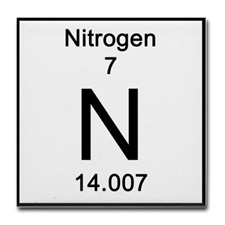
How many protons does the element in this image contain?
14
7
15
18
The mass of an atom come from the...
electrons
nucleus
protons
empty space
What two subatomic particles are contained in the nucleus?
Protons + Electrons
Neutrons + Electrons
Atoms
Protons + Neutrons
What is the atomic mass for the element in this image?
14
7
15
18
What is Matter?
anything that has mass
anything that takes up space
anything that has mass and takes up space
What are the three particles that make up the atom?
clouds, positives, negatives
clouds, energy levels, particles
protons, neutrons, electrons
molecules, electrons, protons
The smallest particle from which all matter (including the elements) is made up of is called the:
element
atom
nucleus
molecule
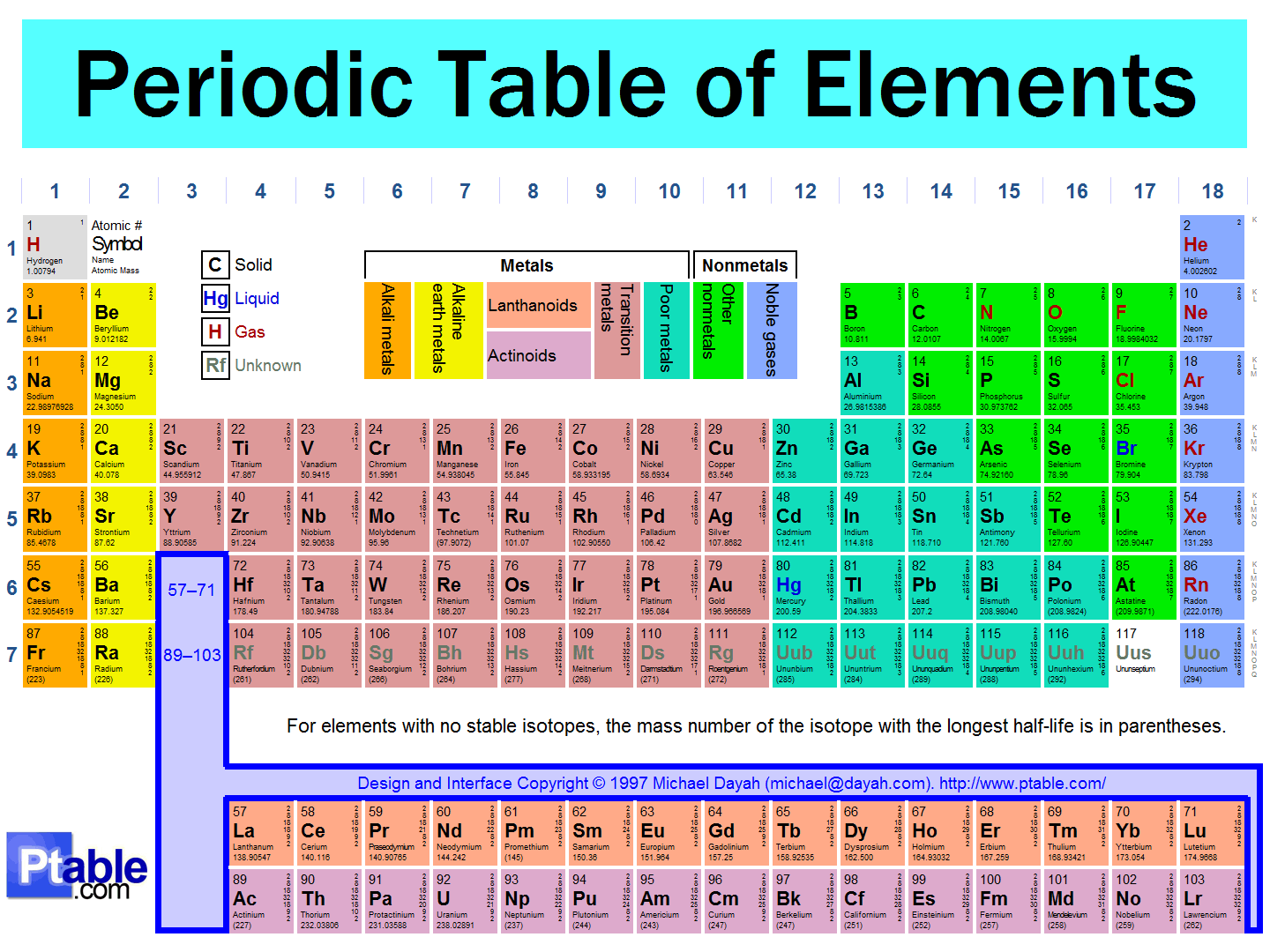
The vertical (up and down) columns in the Periodic Table are called
groups
towers
periods
atomic numbers

The horizontal (left to right) rows on the periodic table are known as
periods.
atoms.
groups or families.
valence electrons.


What does the C represent?
atomic mass
atomic number
element name
chemical symbol

What does the 6 represent?
atomic mass
atomic number
element name
chemical symbol

What does 12.011 represent?
atomic mass
atomic number
element name
chemical symbol
The formula used to calculate the number of neutrons is:
Mass Number - Atomic Number
Protons + Electrons
Atomic Number - Mass Number
Protons x2
Iron is a good conductor, malleable and magnetic. What type of element is Iron?
Metal
Non Metal
Metalloid
Pretty
The elements are in order by ____________ atomic number.
increasing
decreasing
what is the biggest group on the table
metals
nonmetals
metaloids
halogens
Atoms bond together in different ways to make ________________.
Substances
Matter
Molecules


Which of the following cannot be broken down into something simpler?
a compound
an element
a chemical formula
a mixture
Which of the following is not a compound?
HCl
Cl2
NaCl
CO2
What charge does an atom have when it GAINS electrons?
Positive
Negative
Neutral

How would H2O be classified? Check all that apply.
Atom
Molecule
Compound
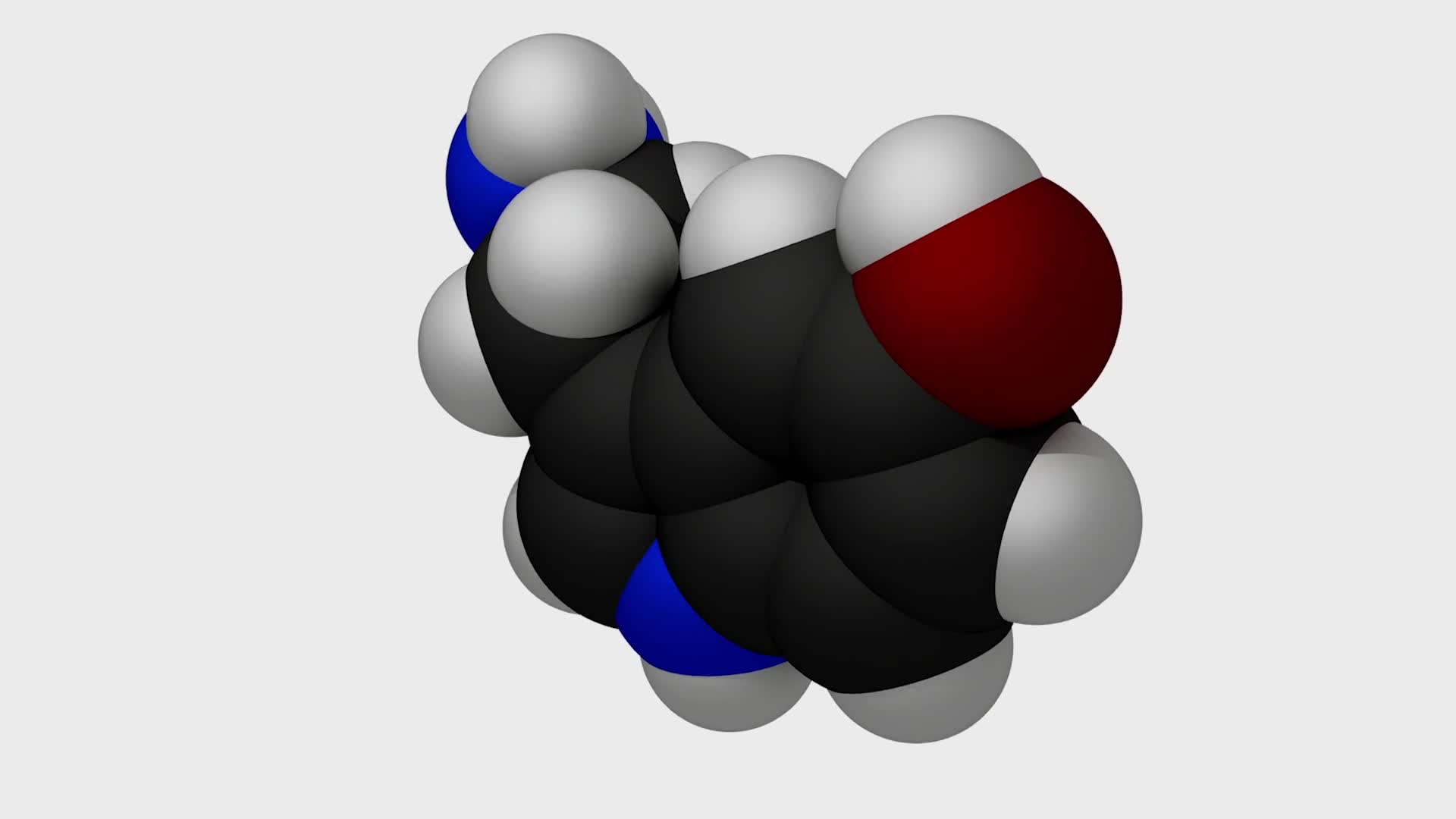
made up of atoms of two or more different elements joined together by chemical bonds
molecule
element
atom
compound
Atoms are most stable when their outer shell is full or complete.
True
False
What part of an atom is involved in chemical bonding?
proton
neutron
electron
The vertical (up and down) columns in the Periodic Table are called
groups
towers
periods
atomic numbers
All of the elements in a period have the same number of _____.
energy levels
valence electrons
protons
electrons
All of the elements in a group have the same number of _____.
energy levels
valence electrons
protons
electrons
Calculate the number of Oxygen atoms in Al(OH)3
1
2
3
4
C3H5(NO3)3
C = 3, H = 5, N = 3, O = 9
C = 3, H = 5, N = 1, O = 9
C = 9, H = 15, N = 3, O = 9
C = 9, H = 15, N = 1, O = 3

