wayground logo

Free Printable Worksheets

Font size

S
M
L
XL
Worksheets

Organization of the human body

Total questions: 63

Worksheet time: 38mins

Name
Class
Date
1.
A group of the same type of cells that work together for a purpose are called -
a)
 a tissue
b)
an organ
c)
an organ system
d)
an unicellular organism
2.
A group of different tissues working together is - 
a)
an organ
b)
an organ system
c)
a   prokaryote
d)
a cell
3.
The levels of organization from the simplest to the most complex are
a)
Cells, tissues, organs, organ systems, organism
b)
Organisms, organs, tissues, cells, organ systems
c)
Cells, organs, organ systems, tissues, organism
d)
Tissues, cells, organs, organism
4.
Which statement is correct?
a)
Tissues are composed of cells that have the same function
b)
Tissues that have the same function form organ systems
c)
Cells that have the same function form an organ
d)
Organisms are composed of tissues that have the same function
5.
Which statement is correct?
a)
A group of organs work together to form an organ system
b)
Tissues that have the same function form an organ system
c)
Cell that have the same function form an organ
d)
Organ systems working together form a tissue
6.
The most basic unit of life is
a)
a cell
b)
an organ
c)
an organ system
d)
a tissue
7.
Which instrument is credited for helping scientists develop cell theory?
a)
 the microscope
b)
a hand lens
c)
an electronic balance
d)
a thermometer
8.
Which three statements are part of cell theory?
a)
All living things are composed of cells, Cells are the smallest units of living things that can perform the processes necessary for life, and Living cells only come from other living cells.
b)
All living things are composed of cells, Atoms are composed of cells,  and Living cells only come from other living cells.
c)
All living things are composed of cells, Cells are the smallest units of living things, and The basic components of life consist of a nucleus, cell membrane and mitochondria.
d)
All living things are composed of cells, Atoms are composed of cells, and The basic components of life consist of a nucleus, cell membrane and mitochondria.
9.
The ___ is the basic unit of structure and function of organisms.
a)
atom
b)
cell
c)
matter
d)
all other answers are correct
10.
Which statement is a part of the cell theory?
a)
all cells come from preexisting cells
b)
bacteria are prokaryotic cells
c)
eukaryotic cells are complex
d)
humans are multicellular
11.
The Cell Theory states...
a)
atoms create all matter
b)
living things evolve
c)
the cell is the backbone of all matter
d)
cells are the basic unit of structure and organization of organisms
12.
Robert Hooke, Anton van Leeuwenhoek, Theodor Schwann, Rudolf Virchow, and Matthias Schleiden were all responsible for what theory?
a)
The Theory of Gravity
b)
The Theory of Relativity
c)
The Cell Theory
d)
The Theory of Continental Drift
13.
Rocks are not living because
a)
they never move
b)
they aren't needed for humans
c)
they are not made of cells
d)
they don't break down
14.
Cells are often called "the ____ of life."
a)
bread
b)
road map
c)
building blocks
d)
meaning
15.
What is the correct order of organization
a)
tissues-cells-organs-organ systems-organism
b)
cell-tissue-organs-organ systems-organism
c)
organism-cells-tissues-organ systems-organism
d)
tissues-cells-organs-organ sytems-organism
16.
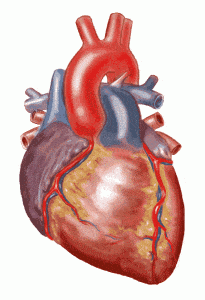
This is a example of ........
a)
cell
b)
organ system
c)
organ
d)
tissue
17.

What do a group of cells make?

a)

Tissue

b)

Organ

c)

Organ System

d)

Blood Cell

18.

Which one is the level of organization from greatest to the least?

a)

Organism, organ system, organ, tissue, cell

b)

Organism, organ, organ system, tissue, cell

c)

Cell, tissue, organ, organ system, organism

d)

Organism, organ system, organ, cell, tissue

19.

What is a prokaryotic cell?

a)

A cell that has a nucleus

b)

A cell that does not have a nucleus

c)

Has every cell organelle except for the cell wall and the chloroplast

d)

A cell only for plants

20.

All organisms are composed of one or more cells

a)

True

b)

False

21.
Examples include dog, person, frog, bacteria, lion, lizard
a)
cell
b)
tissue
c)
organ system
d)
organism
22.
Examples include kidney, liver, heart, brain, stomach, bladder, intestines
a)
cell
b)
tissue
c)
organ
d)
organ system
23.
All of the following are part of cell theory except: 
a)
All cells come from other living cells
b)
All living things are made up of cells
c)
in order to be alive an organism must be made up of more than one cell
d)
cells are the basic unit of life
24.
The heart contains different types of tissue. What level is the heart?
a)
cell
b)
organ system
c)
organ
d)
tissue
25.
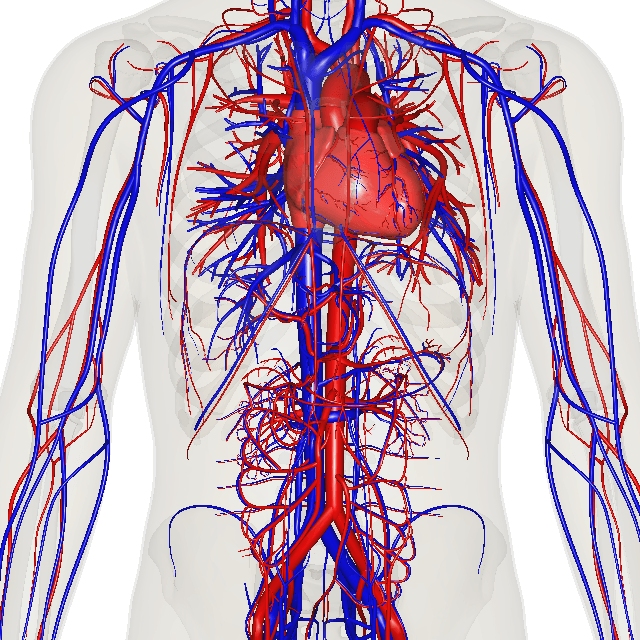
This is a example of ........
a)
organ
b)
organ system
c)
tissue
d)
cell
26.
When many organ systems work together it can form...
a)
a cell
b)
an organ
c)
an organ system
d)
an organism
27.

Plants and animal cells have...

a)

Mitochondria and chloroplasts

b)

Nucleus and chloroplast

c)

Cell wall and chloroplast

d)

Mitchochodria and cytoplasm

28.

what is the function of a lysosome?

a)

To create energy for the cell

b)

To command the cell what to do

c)

To remove waste using digestive enzymes from the cell

d)

To protect the cell

29.

What is the purpose of the nucleus?

a)

It is the command center, contains DNA, and cell division

b)

It protects the cell

c)

It stores energy for the cell

d)

It gets rid of waste in the cell

30.

What does a plant cell have that an animal cell doesn't have?

a)

Cell Membrane and Cell Wall

b)

Cell Wall and Mitochondria

c)

Cell Wall and Nucleus

d)

Cell Wall and Chloroplast

31.

What is the jelly-like substance that keeps the organelles floating?

a)

Cell Membrane

b)

Nucleus

c)

ER

d)

Cytoplasm

32.

What are the "protein-makers" of a cell?

a)

Ribosomes

b)

Mitochondria

c)

ER

d)

Golgi Body

33.
What can only be found in plant cells?
a)
Cell membrane
b)
Vacuole
c)
Chloroplast
d)
Mitochondrion
34.
Where are ribosomes produced?
a)
Nucleolus
b)
Endoplasmic reticulum
c)
Golgi body
d)
Vessicle
35.
What is found in both plant and animal cells but is much larger in plant cells?
a)
Nucleus
b)
Mitochondrion
c)
Chloroplast
d)
Vacuole
36.
Cell membranes are found in
a)
Only animal cells
b)
Only plant cells
c)
Some plant and animal cells
d)
All plant and animal cells
37.
The ______________ is the brain of the cell.
a)
Vacuole
b)
Nucleus
c)
Chromosomes
d)
60 W light bulb
38.
Produces energy in the form of ATP for the cell.
a)
chloroplast
b)
mitochondria
c)
ribosome 
d)
nucleus
39.
The "power plant" of the cell that produces energy. 
a)
Mitochondria
b)
Cytoplasm
c)
Centrioles
d)
Lysosomes
40.

The _____________ stores food, water, wastes, and other materials in both plant and animal cells.

a)

Vacuole

b)

Mitochondria

c)

Cytoplasm

d)

Nucleus

41.

The _____________ holds the DNA, and controls the functions of eukaryotic cells.

a)

Nucleus

b)

Nuclear Membrane

c)

Mitochondria

d)

Chloroplast

42.
Plant cells perform photosynthesis, which occurs in the
a)
chloroplast.
b)
cytoplasm.
c)
mitochondria.
d)
nucleus.
43.

While doing work and running, you move your organs like hands, legs, etc. Which among the following is correct?

a)

Smooth muscles contract and pull the ligament to move the bones

b)

Smooth muscles contract and pull the tendons to move the bones

c)

Skeletal muscles contract and pull the ligament to move the bones

d)

Skeletal muscles contract and pull the tendon to move the bones

44.

Cardiac muscle is one of the three major types of muscles, the others being skeletal and smooth muscles. It is found in the walls and histological foundation of the heart. Which one of the following statements is not related to the cardiac muscles?

a)

They muscles show rhythmic contraction and relaxation throughout life.

b)

They do not work according to our will, so they are called involuntary muscles.

c)

They are non-striated, multinucleated and branched muscles.

d)

The contraction and relaxation of the heart muscles help to pump and distribute blood to different parts of the body.

45.

Connective tissue that connects a bone to another bone is:

a)

Ligament

b)

Tendon

c)

Cartilage

d)

None.

46.
Which type of muscle tissue would line the intestines?
a)
Smooth
b)
Cardiac
c)
Skeletal
d)
Transitional
47.
What type of Connective Tissue are TENDONS and LIGAMENTS
a)
Dense Connective Tissue
b)
Osseous Tissue
c)
Loose connective Tissue
d)
Cartilage
48.
What type of Connective tissue is found at the ends of bones to reduce friction?
a)
Cartilage
b)
Dense connective tissue
c)
Adipose Tissue
d)
Loose connective tissue
49.
Salivary glands are 
a)
Endocrine Glands
b)
Exocrine Glands
50.
The pituitary gland puts growth hormone into the blood. What type of gland is it?
a)
Endocrine Gland
b)
Exocrine Gland
51.
What is the MATRIX of Blood tissue?
a)
Collagen
b)
Calcium and Salts
c)
Plasma
d)
Fat
52.
What type of muscle tissue is VOLUNTARILY controlled
a)
Skeletal Only
b)
Skeletal and Cardiac
c)
Smooth and Cardiac
d)
Cardiac Only
53.
What  type of connective tissue has a hard matrix of calcium and salts?
a)
Osseous
b)
Adipose
c)
Blood
d)
Dense Connective
54.

Which of the following is not an animal tissue?

a)

Epithelial tissue

b)

Connective tissue

c)

Parenchymal tissue

d)

Muscular tissue

55.
The stomach consists of what type of muscle?
a)
Smooth muscle
b)
Skeletal muscle
c)
Cardiac muscle
d)
Deoxygenated muscle
56.
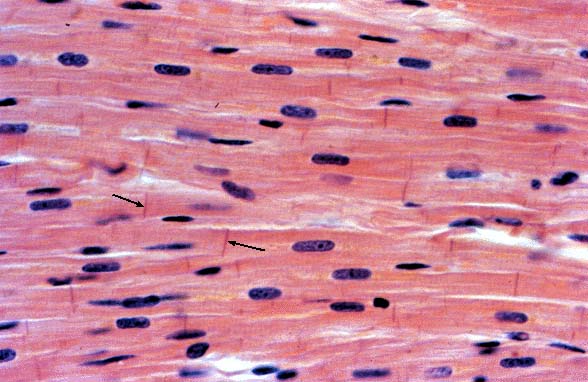
What tissue type is this? (The arrows are a clue)
a)
Cardiac muscle
b)
Skeletal muscle
c)
Smooth muscle
d)
Nervous tissue
57.
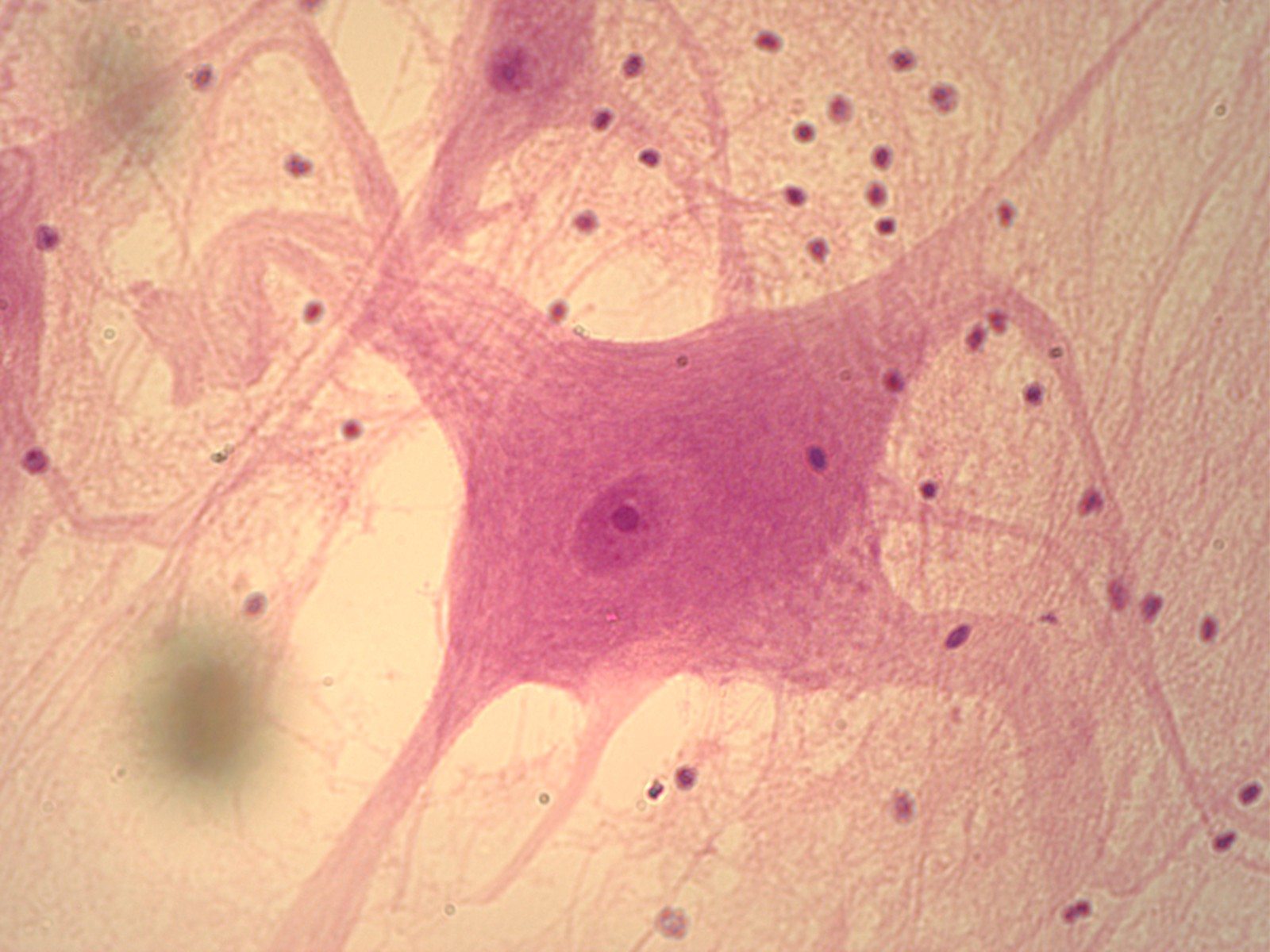
What tissue type is this?
a)
Nervous tissue
b)
Cardiac muscle
c)
Smooth muscle
d)
Connective tissue proper
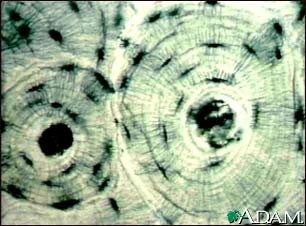
58.
a)
smooth muscle
b)
bone
c)
nerve
d)
blood
59.
The common term for adipose tissue is
a)
Fat
b)
Blood
c)
Bone
d)
Cartilage
60.
What are the four main tissues found in the body?
a)
Epithelial, Connective, Bone, Blood
b)
Muscle, Connective, Blood, Epithelial
c)
Nervous, Muscle, Connective, Epithelial
d)
Nervous, Muscle, Connective, Bone
61.

Collagen is a protein that is particularly abundant in

a)

covering and lining epithelium

b)

dense regular connective tissue

c)

smooth muscle

d)

adipose tissue

62.

Osteocytes embedded within chambers that are surrounded by a matrix of mineral salts and collagen may be found in

a)

bone

b)

hyaline cartilage

c)

dense regular connective tissue

d)

loose connective tissue

63.

Chondrocytes secrete an intercellular material that contains thickened ground substance in which type of tissue

a)

compact bone

b)

dense connective tissue

c)

cartilage

d)

skeletal muscle