
Font size
 Worksheets
Chemistry Test Review/Recovery
Total questions: 56
Worksheet time: 2hrs 52mins

146C --> 0-1e + ________
In the symbol 167N what the 7 stand for?
Mass number
Atomic number
Atomic mass
Number of neutrons

94Be + 11H → _____ + 42He
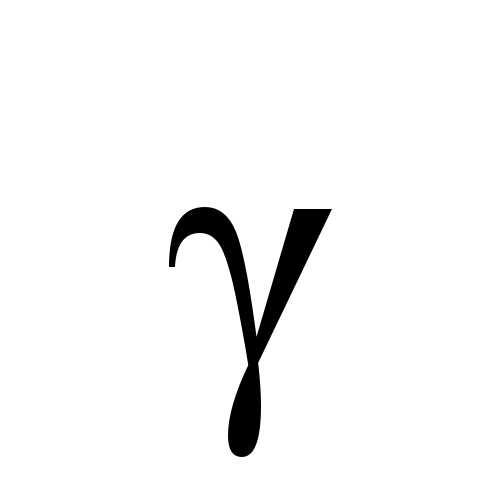

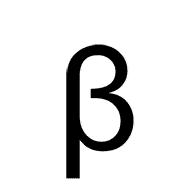

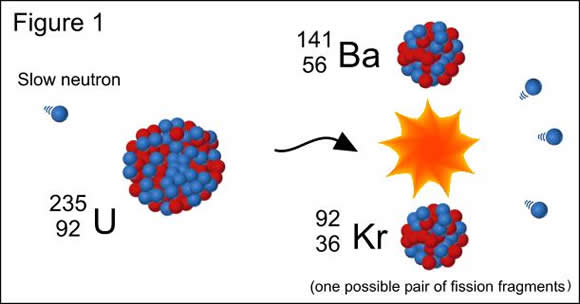
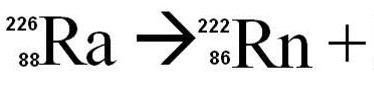
In the event of a nuclear explosion where would be the safest place to hide?
Paper house
Log cabin
Thick concrete building in the basement
Building with windows
What type of reaction can be controlled to produce great amounts of energy at the expense of toxic waste?
Fusion
Fission
Fishin
Feasion
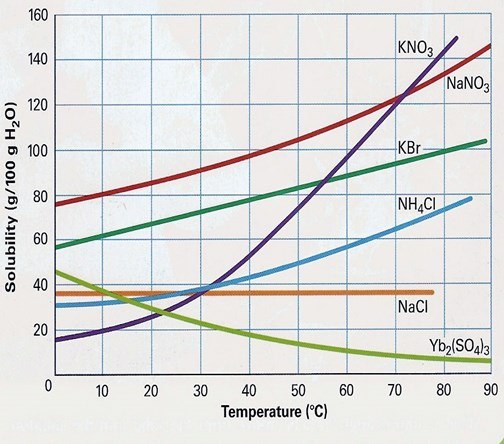
At 30'C, which substance has the lowest solubility?
KNO3
KBr
NaCl
Yb2(SO4)3
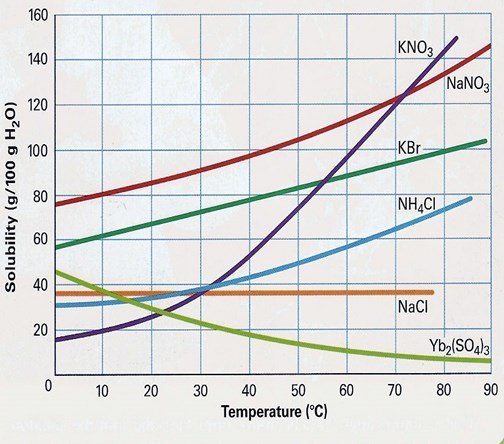
At which temperature do KBr and KNO3 have the same solubility?
60
55
50
Never
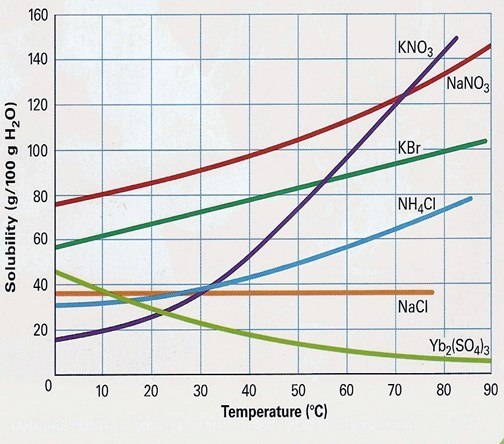
The solubility of Yb2(SO4)3 ________________ with added temperature.
increases
decreases
remains the same
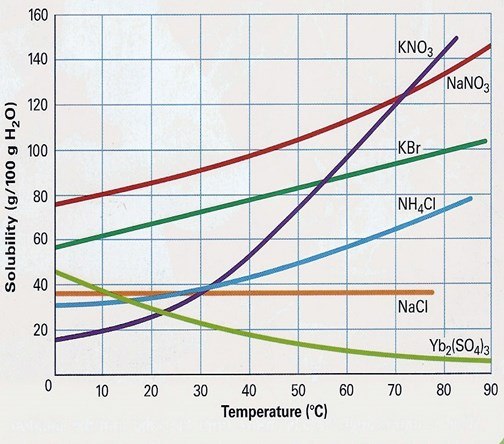
At 80'C, KBr's solubility is:
100
90
80
0
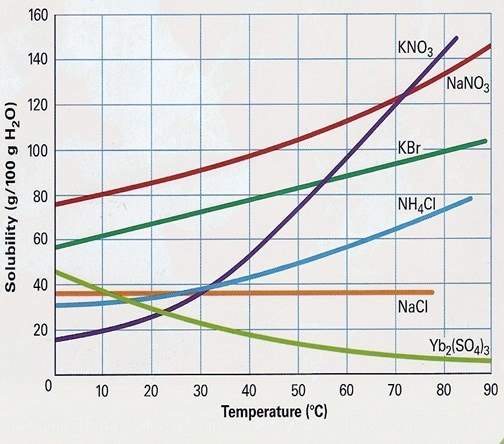
Determine the solubility for the substances at 55'C and arrange them in order from lowest to highest solubility.
NaCl, NH4Cl, KBr, NaNO3
NaCl, NH4Cl, NaNO3, KBr
NH4Cl, NaCl, NaNO3, KBr
NaNO3, KBr, NH4Cl, NaCl
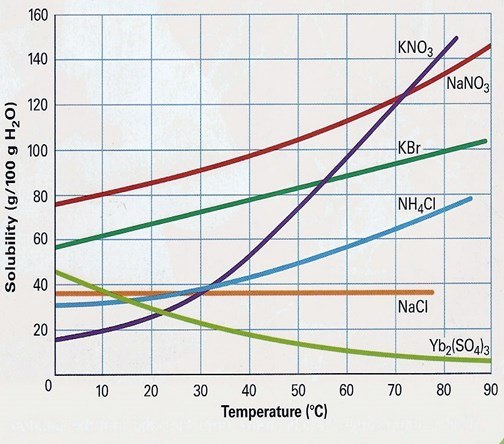
At 10'C, NaNO3's solubility is 80 g/100 g of H2O. Based on this information, what would the solubility be in 50 g of H2O.
40
80
160
16
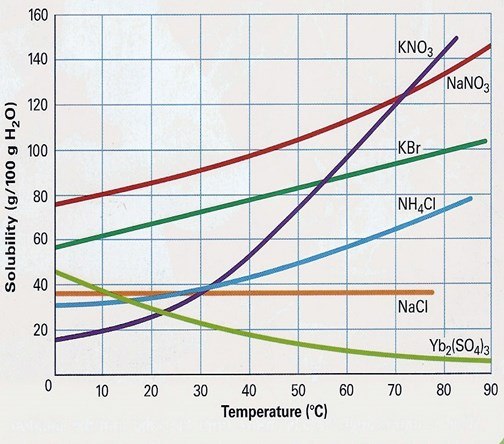
Identify if the following solution would be saturated, unsaturated, or supersaturated: 103 g KBr at 70'C.
Unsaturated
Saturated
Supersaturated
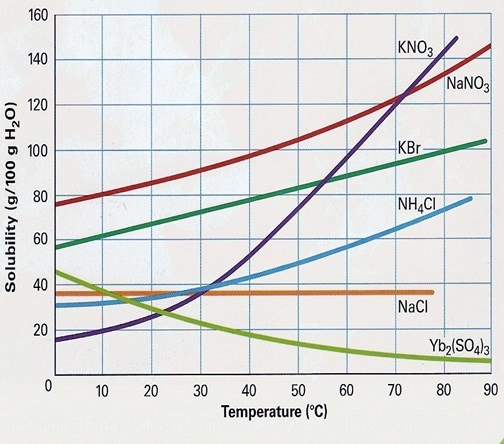
Identify how many grams of KNO3 is required to make a saturated solution at 40'C.
50 g
45 g
60 g
33 g
How could you change a saturated solution to an unsaturated solution?
Add solvent
Add solute
Water becomes __________ changing from a solid to a liquid
more dense & more kinetically chaged
less dense & less kinetically charged
more dense & less kinetically charged
less dense & more kinetically charged
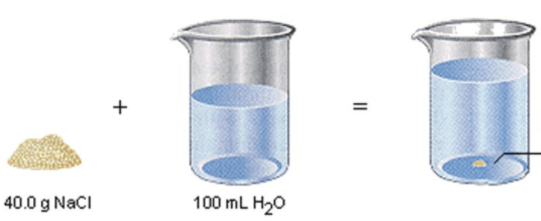
Identify the saturation associated with the product of this experiment.
Unsaturated
Saturated
Supersaturated
Identify a method to decrease the dissolving rate of a solution:
decrease the temperature
add KE
stir the solution
increase the temperature
Which of the following will conduct electricity? Select all that apply
Acidic solutions
Basic solutions
Ionic solutions
Neutral covalent solutions
Which of the following are properties of acids but not bases? Select all that apply.
Changes the color of an indicator
Sour taste
Reacts with metals to produce hydrogen gas
Feels slippery
Bases have a pH of
7
Less than 7
More than 7
Neutralization is the process of an acid and a base reacting to form what? Select all that apply
An ionic salt
Hydronium ions
NaCl
Water
Which of the following is a binary acid?
H2SO4
HNO3
H2Se
HC2H3O2
An oxyacid is made up of hydrogen, _________, and a third element
nitrogen
oxygen
carbon
hydroxide
What is the formula for nitrous acid?
HNO2
H3N
HNO3
HNO
What is the formula for hydrosulfuric acid
H2S
H2SO2
H2SO3
H2SO4
Which of the following are strong acids? Select all that apply
HI
H2SO4
HF
HCl
HClO3
Which of the following is NOT a strong base?
NaOH
RbOH
Al(OH)3
Ca(OH)2
An arrhenius acid
produces hydroxide ions in a solution
is a proton donor
produces hydrogen ions in a solution
is a proton acceptor
An arrhenius base
produces hydroxide ions in a solution
is a proton donor
produces hydrogen ions in a solution
is a proton acceptor
A bronsted lowry base
produces hydroxide ions in a solution
is a proton donor
produces hydrogen ions in a solution
is a proton acceptor
A bronsted lowry acid
produces hydroxide ions in a solution
is a proton donor
produces hydrogen ions in a solution
is a proton acceptor
Water can act as both an acid and a base according to the bronsted lowry model. This means water is
neutral
conjugate
ionic
amphoteric
Identify the true statement about the following reaction:
F- + H2O --> HF +OH-
H2O is a bronsted lowry base
H2O is not an acid or base according to either model
H2O is a bronsted lowry acid
H2O is an arrhenius acid
Choose the correct statements about HI based on the following reaction (select all that apply):
HI + H2O --> I- + H3O+
HI is an arrhenius acid
HI is an arrhenius base
HI is a bronsted lowry acid
HI is a bronsted lowry base
Acid-base conjugate pairs differ by a single
Electron
Proton
Neutron
Oxygen
Which of the following show an acid and its conjugate base pair (in that order)
H2SO4, SO42-
OH-, H2O
NH4+, H2O
H2CO3, HCO3-
Could C2H3O2- act as a base when placed in water?
Yes, because it can accept a H+
Yes, because it can donate a H+
No, because it cannot donate a H+
No, because it cannot accept a H+

