
Font size
 Worksheets
Zoology Fall Semester Test
Total questions: 91
Worksheet time: 1hrs 11mins
The combination of chemical reactions through
which an organism builds up or breaks down
materials as it carries out its life processes is called ...
absorption
metabolism
digestion
consumption


What is the independent variable?
The variable that is not changed
The variable that is being observed
The variable that you purposely manipulate
The variable that responds to the change
This statement would be which part of the scientific method: "What am I going to wear?"
Inference
Question
Observation
Hypothesis
This statement would be which part of he SM: "People are using umbrellas, it must be raining."
Inference
Question
Obervation
Hypothesis
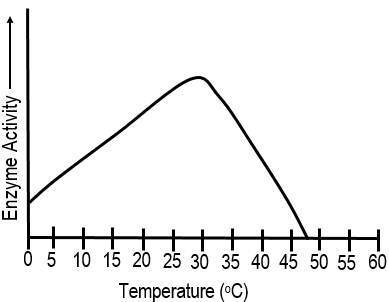
In reference to multicellular organization, which of the following is correctly listed smallest to largest?
cells, organelles, tissues, organs, organ systems, organisms
organisms, organ systems, organs, tissues, cells, organelles
organelles, cells, tissues, organs, organ systems, organisms
organ systems, organelles, cells, tissues, organs, organisms
This modifies, collects, packages, and distributes molecules (like proteins and lipids) both in and outside of the cell:
Endoplasmic reticulum
Golgi apparatus
Lysosome
Vacuole
These are hair-like projections from cell surfaces that aid in locomotion and feeding that can also be used to sweep substances along surfaces:
Flagella
Cytoskeleton
Cell membrane
Cilia
This is the outer covering of the nucleus that regulates the passage of materials between the nucleus and cytoplasm:
Nuclear membrane (or envelope)
Cell membrane
Cytoplasm
Golgi apparatus
Which of the following DOES NOT describe eukaryotic cells?
Have a nucleus
Larger than prokaryotic cells
Do not have membrane bound organelles
Has DNA inside a nuclear membrane
Which of the following is NOT part of the cell theory?
All living things are composed of cells.
All cells require oxygen.
Cells are the basic unit of structure and function.
Cells come from preexisting cells.

Identify the function of this structure.
store and transmit genetic info
build structures
store energy
quick energy

Identify the function of this structure.
store and transmit genetic info
build structures
store energy
quick energy
Which of the following structures provides the instructions to build proteins?
mitochondria
chloroplast
ribosomes
nucleus

Identify this cellular structure.
nucleus
rough ER
mitochondria
chloroplast

What is the Shape of DNA
Single Helix
Spring
Double Helix
A twist knot thing
What makes up the outside spine of the DNA strand
Nitrogenous Bases
Adenine and Thymine
Deoxyribose sugar and a phosphate group
ribose sugar and a phosphate group
ATG TGA CAG
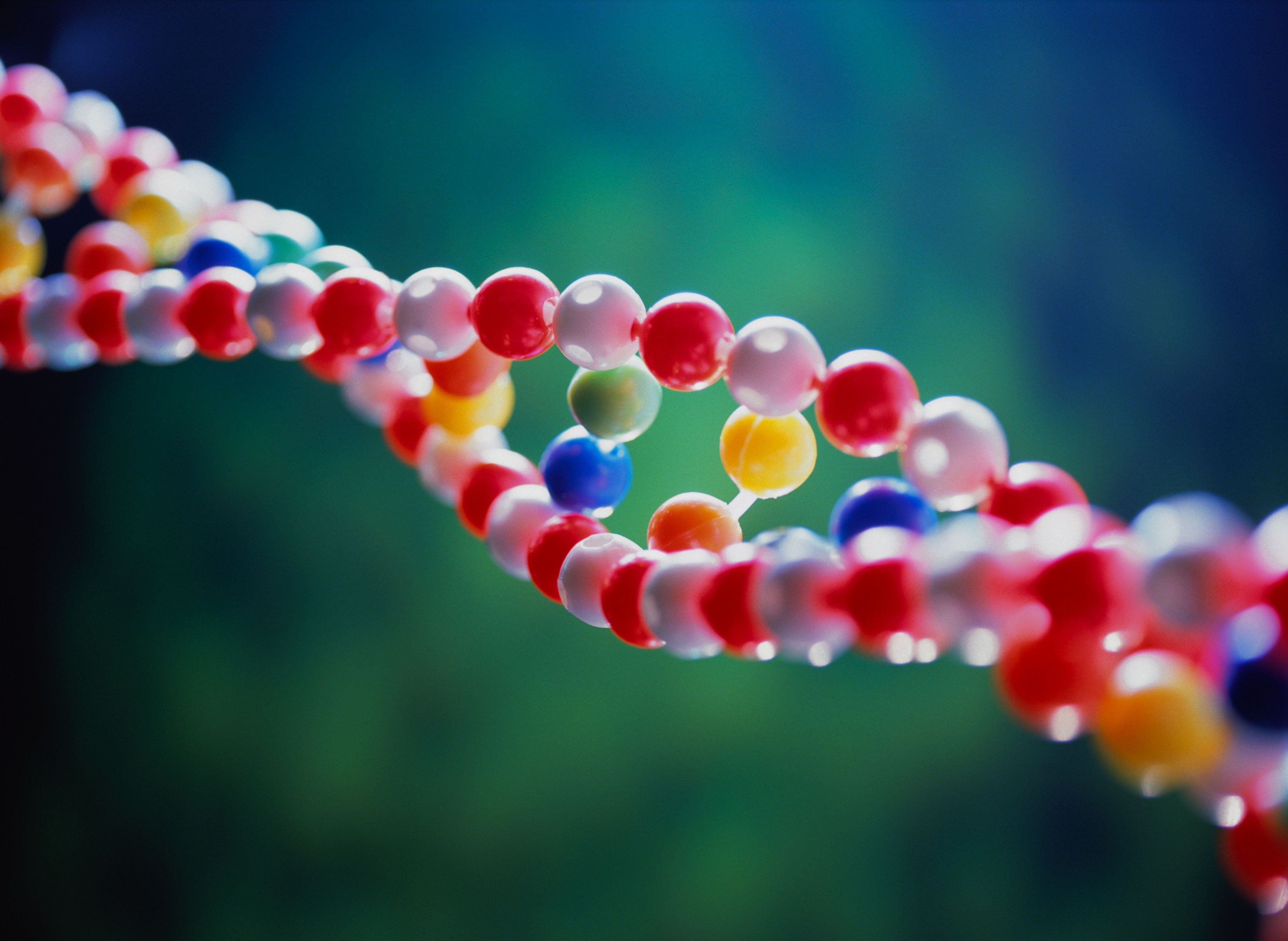
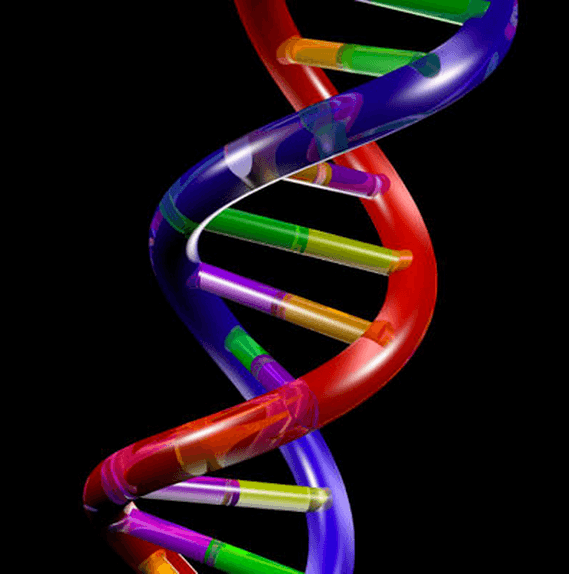
The "backbone" of DNA, the sides of the twisted latter, is made up of two components. What are these?
Hydrogen and Carbon
Adenine and Thymine
Sugar and Phosphate
Nitrogenous Base and Sugar
Which of these would be the complementary sequence of nitrogenous bases to the following DNA strand: AGGTCA
GAACTA
TCCAGT
CTTGCC
None of these are correct


arachnids and insects?


Animals are...
multicellular, prokaryotic, and autotrophic
unicellular, eukaryotic, and autotrophic
unicellular, eukaryotic, and heterotrophic
multicellular, eukaryotic, and heterotrophic

What type of symmetry is displayed by this animal?
bilateral
radial
asymmetry
spherical

What type of symmetry is displayed by this animal?
bilateral
radial
asymmetry
spherical
The endoderm, mesoderm, and ectoderm are referred to as...
coeloms
germ layers
sclera
meninges
Deuterostomes...
form the mouth first during gastrulation.
form the anus first during gastrulation.
are usually very basic animals.
all give live birth.
The coelom...
forms the nerve cord.
forms the digestive tract.
forms the space for all non-digestive organs.
is a solid mass of cells.
Which germ layer in animal embryos gives rise to muscles and much og the circulatory, reproductive, and excretory systems
endoderm
ectoderm
mesoderm
protostome
Four types of animal tissue are
epithelial, nervous, excretory, and muscle
muscle, nervous, reproductive, epithelial
nervous, epithelial, muscle, and connective
connective, muscle, reproductive, nervous
Four types of animal tissue are
epithelial, nervous, excretory, and muscle
muscle, nervous, reproductive, epithelial
nervous, epithelial, muscle, and connective
connective, muscle, reproductive, nervous
What are the subunits (monomers) of proteins?
monosaccharides
amino acids
fatty acids
nucleotides
The collar cells of sponges are similar to _____.
flagellated protists
amoebas
ciliated paramecia
sessile sporozoans
A Portuguese-man-of-war is an example of _____.
an anthozoan
a large scyphozoan
a hydrozoan colony
a sea anemone
A(n) ____ is the tube shaped body form with a mouth surrounded by tentacles, which serves as the asexual stage in some cnidarians.
medusae
coral
anemone
polyp
Cnidarians capture prey by means of ____which are coiled threadlike tubes that are sticky or barbed or that contain toxins.
hooks
suckers
tentacles
nematocysts

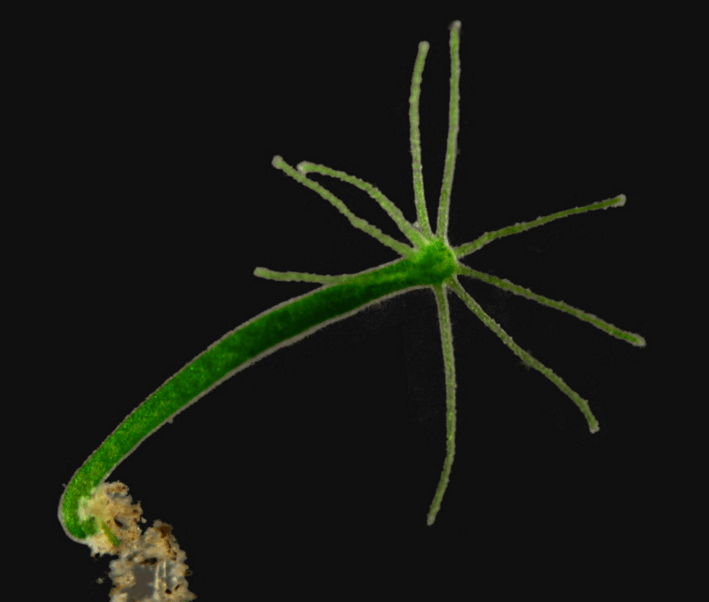
Which of these is a picture of a choanocyte?


The large opening at the top of the sponge is called the
Osculum
Porocyte
Spicule
Spongocoel
Your hormones are controlled by the
Digestive system
Nervous system
Reproductive system
Endocrine system
Lymph nodes are a part of which system?
Skeletal
Urinary
Immune
Endocrine
Which system helps with support, shape, and protection?
Respiratory
Urinary
Skeletal
Muscular
This system carries nutrients and gases to cells AND carries away wastes.
nervous system
digestive system
urinary system
cardiovascular system
The path that food follows through the digestive system is
Mouth, small intestine, large intestine, and stomach
Stomach, large intestine, small intestine, and liver
Small intestine, liver, mouth, and bile
Mouth, stomach, small intestine, and large intestine
Tricuspid valve is present between
Left atrium and Left ventricle
Right atrium and Right ventricle
Left atrium and Right atrium
Right ventricle and Left ventricle
Left atrium receives oxygenated blood through
Coronary artery
Aorta
Pulmonary artery
Pulmonary vein

What organ of the digestive system is located at label number 4?
liver
stomach
heart
small intestine

What is this upper arm bone colored red?
Funny
Femur
Humerus
Bicep

What is the name of this lower arm bone in red?
Forearm Bone
Unicorn
Radius
Ulna
Smooth muscle is located where?
heart
bones
toes
internal organs

Number 10 is pointing to the
Pterygoideus
External oblique
Latissimus dorsi
Temporal

Number 17 is pointing to the
Gluteus
Gracilis minor
Tendon of Achilles
Gastrocnemus

