
 Worksheets
Grade 11 Biology Unit Assessment: Diversity
Total questions: 86
Worksheet time: 1hrs 21mins
Taxonomy is:
The science of classifying
When an animal is stuffed after it dies
The diversity of life on earth
The interaction of difference species
Who is known as the Father of Modern Taxonomy? (last name only)
(a)
Why is it not useful to use common names in science?
Because there is only a single common name for each species
Because each language has their own common name
Because common names are too long and detailed
The most specific classification of organisms is
Kingdom
Order
Genus
Species
There are a total of _____ kingdoms
Five
Six
Seven
Eight
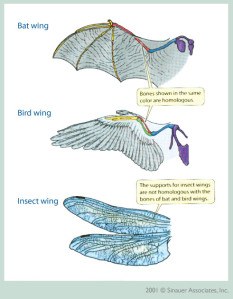

The study of embryos of various organisms to show a common ancestor is called:
natural selection
embryology
speciation
evolution
Two organisms that are closely related would have:
similar DNA sequences
exactly the same DNA sequences
no proteins in common
completely different DNA sequences
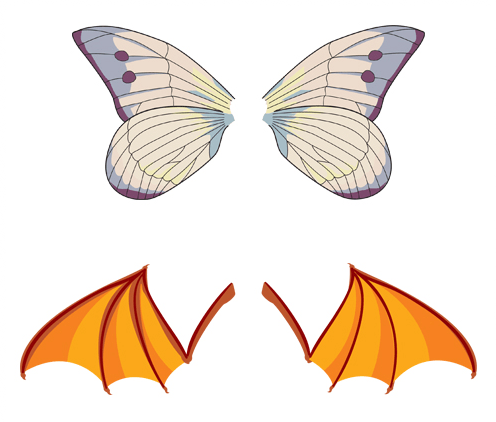
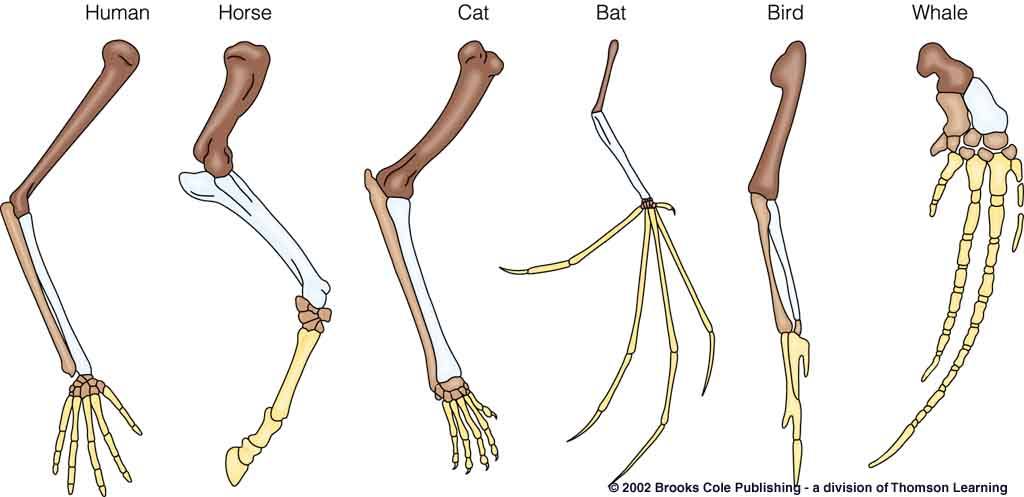
What is this an example of?
Homologous structures
Analogous structures
Vestigial organs
Functional adaption
The human appendix is a(n):
Homologous Structure
Analagous Structure
Vestigial Structure
Evolutionary Structure
Which kingdom is prokaryotic?
Animalia
Archaebacteria
Plantae
Fungi


What would the scientific name of this organism be?
Kingdom: Animalia
Phylum: Chordata
Class: Mammalia
Order: Carnivora
Family:Canidae
Genus: Canis
species: mesomelas
Mammalia carnivora
Canidae mesomelas
Canis mesomelas
Animalia chordata
What would the scientific name of this organism be?
Kingdom: Animalia
Phylum: Chordata
Class: Aves
Order: Charadriiformes
Family: Laridae
Genus: Thalasseus
species: maximus
thalassues maximus
Anamalia maximus
Aves chordata
Thalassues maximus
Choose the correct order
Genus > Species > Order > Class > Family > Phylum > Kingdom > Domain
Kingdom > Domain > Phylum > Class > Order > Family > Genus > Species
Kingdom > Domain > Phylum > Class > Order > Family > Species > Genus
Domain > Kingdom > Phylum > Class > Order > Family > Genus > Species
The three domains are:
Plant, Animal, Bacteria
Bacteria, Archaea, Eukarya
Invertebrates, Vertebrates, Plants
Fungi, Animal, Plant
What language are scientific names typically written in?
Spanish
English
Latin
French
The scientific term for biological categories is:
Taxon
Domain
Rank
Phylum


What kingdom-Prokaryotic-lives in hot, salty environments
plants
animals
archaebacteria
eubacteria
What kingdom- prokaryotic-single celled and have a cell wall of peptidoglycan
eubacteria
archaebacteria
protists
fungi
HOW MANY KINGDOMS ARE THERE?
4
5
6
7

MUSHROOMS ARE IN WHAT KINGDOM
PLANT
ANIMAL
FUNGI
PROTIST

AMOEBA-PARAMECIUM-EUGLENA-DINOFLAGELLATES BELONG TO WHAT KINGDOM
PLANT
PROTIST
FUNGI
ANIMAL
ARCHAEBACTERIA

APES BELONG TO WHAT KINGDOM
PLANT
ANIMAL
FUNGI
PROTIST

RINGWORM IS CAUSED BY MEMBERS OF WHAT KINGDOM
PLANT
ANIMAL
PROTIST
FUNGI

STREP THROAT IS CAUSED BY MEMBERS OF WHAT KINGDOM
EUBACTERIA
ARCHAEBACTERIA
PROTIST
FUNGI

DEAD DECOMPOSING ORGANISMS ARE THE RESULT OF WHAT KINGDOMS?
PLANT-ANIMAL
PROTIST-FUNGI
FUNGI-BACTERIA
BACTERIA-ARCHAEBACTERIA
HAS A CELL WALL
FUNGI-ANIMALS
SOME BACTERIA-FUNGI
SOME BACTERIA-FUNGI-PLANTS
SOME PROTIST-ANIMALS
Bacteria and archaea are similar because both _________________.
are eukaryotes
are prokaryotes
have the same kind of cell wall
store their DNA in a nucleus


Taxonomy is the study of ______________ organisms.
classifying
dissecting
understanding
evolving
This system gives each species a unique, two-word Latin name consisting of the genus name and the species name.
binomial nomenclature
hierarchy of groupings
taxa demographics
The Domain System
Which is the correct list of taxa, from largest and most inclusive to smallest and most exclusive?
kingdom, phylum, class, order, family, genus, species
kingdom, genus, species, family, phylum, class, order
species, genus, order, family, class, phylum, kingdom
species, genus, kingdom, order family, class, phylum
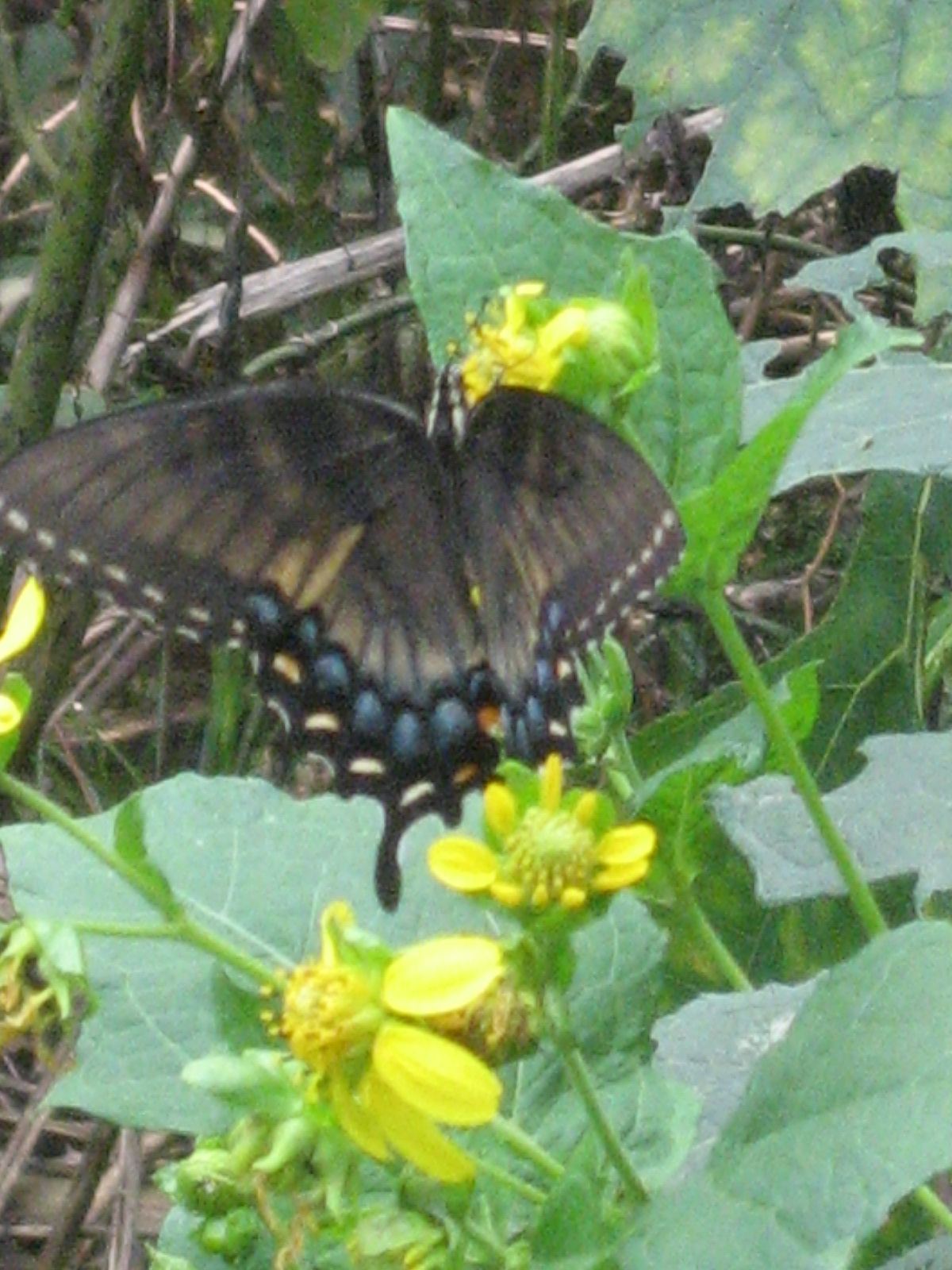
What are the names of the three domains?
Bacteria, Archaea, Eukarya
Bacteria, Archaea, Animalia
Archaea, Plantista, Animalia
Life, Animals, Plants
What are the six kingdoms of life?
Animals, Plants, Vertebrates, Invertebrates, Viruses, Fungi
Bacteria, Amoeba, Algae, Archaea, Protists, Nuclei
Archaea, Bacteria, Protists, Animals, Plants, Fungi
Archaea, Bacteria, Animals, Plants, Proteins, Fungi
I am an autotroph
I am multicellular
What am I?
I am eukaryotic
I reproduce sexually
I am multicellular
What kingdom do I belong to?
I am prokaryotic
I am found in extreme ecosystems
What kingdom do I belong to?
Who am I?
I have cell walls made with chitin,
I am a heterotroph,
I am multicellular
What am I?
Plant
Animal
Eubacteria
Fungi
What is taxonomy?
The study of types of organisms and their relationships
The study of chemical reactions in cells
The study of weather patterns
The study of ancient civilizations
Into how many general domains do taxonomists classify all life according to cell structure?
Two
Three
Four
Five
Which of the following is NOT one of the three general domains of life?
Bacteria
Archaea
Eukarya
Plantae
Which kingdoms are included in the Eukarya domain?
Animals, plants, fungi, and protists
Bacteria, archaea, and viruses
Animals, bacteria, and fungi
Plants, archaea, and protists
What are the two most specific levels of taxonomy used to refer to an organism?
Kingdom and Phylum
Class and Order
Genus and Species
Family and Genus
What is the kingdom classification for humans?
Plantae
Animalia
Fungi
Protista
How do interactions with other species affect a species' traits and behaviors?
They have no effect.
They help shape traits and behaviors.
They only affect physical traits.
They only affect behaviors.
What causes species to evolve in response to each other's attributes?
Migration and isolation
Competition and predation
Climate change
Genetic mutations
What is intraspecific competition?
Competition between different species
Cooperation among the same species
Competition among members of the same species
Predation among different species
Which of the following is an example of intraspecific competition?
A cardinal & a blue jay competing for a nest location
Male deer competing for a mate
A lion hunting a zebra
A bee pollinating a flower
What is interspecific competition?
Competition among members of the same species
Cooperation between different species
Competition between members of different species
Predation within the same species
Which of the following is an example of interspecific competition?
Male deer competing for a mate
A cardinal & a blue jay competing for a nest location
A wolf pack hunting together
A plant growing towards sunlight
Which of the following is considered a predator in ecological terms?
Herbivores
Scavengers
Detritivores
Decomposers
What distinguishes predators from non-predators ecologically?
Feeding on dead organisms
Feeding directly on another living organism
Producing their own food
Living in aquatic environments
Which of the following is NOT a predator?
Carnivores
Omnivores
Scavengers
Herbivores
What is a reason predators might switch prey during their life stages?
Changing nutritional needs and behavior changes
To avoid predators
Due to environmental changes
To increase their territory

