
 Worksheets
Topic 2: Lesson 4 (Circulatory System #1)
Total questions: 55
Worksheet time: 28mins
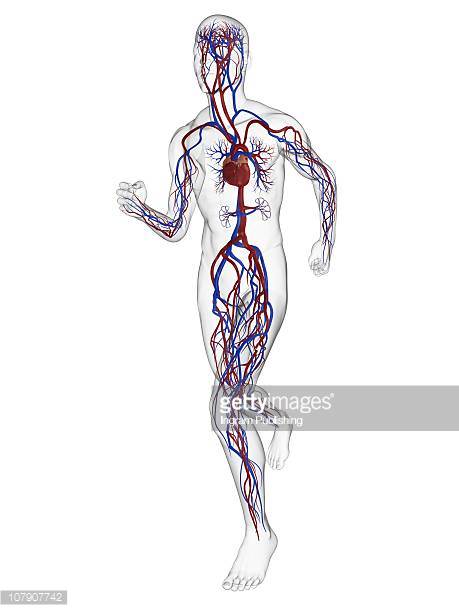
What is the main organ of the circulatory system?
small intestine
bone
lungs
heart
These blood vessels carry oxygenated blood away from the heart.
Arteries
Veins
Capillaries
These blood vessels carry deoxygenated blood back to the heart.
Arteries
Veins
Capillaries
These blood vessels take oxygenated blood to the body cells.
heart
artery
vein
capillary
Small blood vessels that diffuse oxygen, carbon dioxide, and nutrients.
heart
arteries
veins
capillaries
The 3 main functions of the Circulatory System
break down food, remove waste, make blood cells
react to stimuli, grow, adapt
deliver materials, remove waste, and fight infection
Which blood vessels send blood to the heart?
Arteries
Veins
Capillaries
Which blood vessels have the thickest walls?
Arteries
Veins
Capillaries
What are the main organs of the circulatory system?
brain, spine, & nerves
heart, arteries, & veins
heart, lungs, & veins
skin, nails, & hair
What are the smaller branched tubes that connect the arteries and veins called?
mini veins
blood vessels
capillaries
Type of circulation that refers to blood flow from the heart to the lungs and back to the heart again?
Systemic circulation
Renal circulation
Portal circulation
Pulmonary circulation
Which is the type of circulation that refers to the blood flowing through the entire body and back to the heart?
Systemic circulation
Renal circulation
Portal circulation
Pulmonary circulation
The type of blood vessel that normally carries oxygenated blood from the heart to the body cells?
arteries
capillaries
veins
The type of blood vessel that normally carries de-oxygenated blood back to the heart from body cells?
arteries
capillaries
veins
The type of blood vessel where exchange of (diffusion) gases, nutrients, and wastes occurs?
arteries
capillaries
veins

The main vein(s) that brings blood to the right atrium?
Aorta
Pulmonary Veins
Superior and Inferior Vena Cava
Pulmonary Arteries

Name part N.
Right Atrium
Left Atrium
Right Ventricle
Left Ventricle

What is part #2?
Left Pulmonary Artery
Right Pulmonary Artery
Left Pulmonary Vein
Right Pulmonary Vein

Name part I.
Tricuspid Valve
Aorta
Septum
Inferior Vena Cava

Name part A.
Left Atrium
Pulmonary Artery
Superior Vena Cava
Aorta

Name part B.
Left Pulmonary Arteries
Left Pulmonary Veins
Superior Vena Cava
Aorta

Name part M.
Tricuspid Valve
Aortic Valve
Bicuspid Valve
Pulmonary Valve
The main vein(s) that brings blood to the left atrium?
Aorta
Pulmonary Veins
Superior and Inferior Vena Cava
Pulmonary Arteries
The main artery that brings blood to the body's cells, tissues, and systems?
Aorta
Pulmonary Veins
Superior and Inferior Vena Cava
Pulmonary Arteries
The main artery that brings blood to the lungs?
Aorta
Pulmonary Veins
Superior and Inferior Vena Cava
Pulmonary Arteries
How many chambers does the heart have?
a. 2
b. 3
c. 4
d. 5

The left atrium is number ___.
1
2
9
10
Number 13 is the _________________ valve.
Bicuspid
Pulmonary
Tricuspid
Aortic
What is part #10?
Right Atrium
Right Ventricle
Left Atrium
Left Ventricle

Left Pulmonary Vein
Left Pulmonary Artery
Inferior Vena Cava
Right Pulmonary Vein

Superior Aorta
Pulmonary Vein
Superior Vena Cava
Aorta
The right side of the heart contains...
Oxygenated Blood
De-oxygenated Blood
Both Oxygenated and De-oxygenated Blood
Water
The first chamber that blood enters in the heart is...
An Atrium
A Ventricle
The Septum
A Capillary
What is the function of valves in the heart and some blood vessels?
To keep the heart pumping
To create pressure
To prevent back flow of blood
To keep the blood warm
The left atrium receives what type of blood from where?
Oxygenated blood from the lungs
Deoxygenated blood from the body
Oxygenated blood from heart
Deoxygenated blood from the lungs

What is part #12?
Tricuspid Valve
Bicuspid Valve
Aortic Valve
Pulmonary Valve
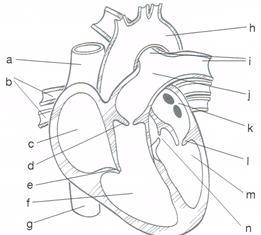
What is part "n?"
Biscuspid Valve
Tricuspid Valve
Aortic Valve
Pulmonary Valve

Superior Vena Cava
Right Ventricle
Inferior Vena Cava
Pulmonary Vein

Right Pulmonary Veins
Left Pulmonary Veins
Right Pulmonary Arteries
Left Pulmonary Arteries
The left side of the heart contains...
Oxygenated Blood
De-oxygenated Blood
Both Oxygenated and De-oxygenated Blood
Water
What is part "m?"
Right Atrium
Left Atrium
Right Ventricle
Left Ventricle
Blood vessels that are only 1 cell in thickness are called __________.
heart
arteries
veins
capillaries
Which blood vessels carry blood under higher amounts of pressure?
Arteries
Veins
Capillaries
Which blood vessels contains valves to ensure the blood does not go backwards when flowing?
Arteries
Veins
Capillaries
SELECT ALL THAT APPLY!
Which materials are delivered to your cells/tissues?
Oxygen
Carbon Dioxide
Waste
Nutrients
SELECT ALL THAT APPLY!
Which materials are moved into your bloodstream by removing them from your cells/tissues?
Oxygen
Carbon Dioxide
Waste
Nutrients
Which lists the path of blood through the three types of blood vessels correctly?
Capillaries - Arteries - Veins
Veins - Capillaries - Arteries
Arteries - Veins - Capillaries
Arteries - Capillaries - Veins
During ________ circulation, blood leaves the heart oxygenated and returns deoxygenated.
Systemic
Pulmonary
Formal
Intestinal
During ________ circulation, blood leaves the heart deoxygenated and returns oxygenated.
Systemic
Pulmonary
Formal
Intestinal
Whenever the word "pulmonary" is used, it is in reference to which organs in our body?
Heart
Phalanges
Brain
Lungs
Left Ventricle - Aorta - Arteries - Capillaries - Veins - Superior/Inferior Vena Cava - Right Atrium
What pathway of circulation is being listed above?
Systemic
Pulmonary
Right Ventricle - Pulmonary Arteries - Lungs - Pulmonary Veins - Left Atrium
What pathway of circulation is being listed above?
Systemic
Pulmonary
Select the two places where gas exchange with the blood occurs.
Arteries
Capillaries
Lungs
Heart

