
NEW
Font size
 Worksheets
UNIT 7 Test Review
Total questions: 38
Worksheet time: 40mins
How do changes occur in populations?
Adaptation
Natural Selection and Adaptation
Adaptation, Natural Selection, and Selective Breeding
Selective Breeding

What is adaptation?
a change in body structure and/or behavior that are inherited to survive in an environment
organisms improve their own condition in relation to their environment.
Sudden changes in an organism to help them survive in an environment
an organism quickly decides to hunt in a new area

What is natural selection?
a short change over a short time period.
the process by which organisms better suited for their environment survive and reproduce.
the process of cells dividing to make new cells.
A quick change in an organisms genetic code
What is making deliberate ( on purpose) crosses of plants or mating of animals, so the offspring will have a desired characteristic derived from one of the parents.
Natural Selection
Adaptation
Trait
Selective Breeding
What is the name of the external features(outward appearance) of an organism?
mutation
phenotype
genotype
adaptation
What is binomial nomenclature?
system of 3 names
system of 2 names
the names of the kingdoms
the levels of classification
Who created the 2 name system, and more classification categories?
Linnaeus
Edison
Darwin
Einstein
What two levels make up a scientific name?
genus and order
genus and species
domain and kingdom
family and genus
What level comes after order?
genus
kingdom
family
species
What level comes before class?
phylum
domain
order
family
What is the correct order of classification from most general to most specific?
kingdom, domain, phylum, class, order, family, genus, species
domain, kingdom, phylum, class, order, family, genus, species
domain, phylum, class, order, kingdom, family, genus, species
species, genus, family, phylum, order, class, domain, kingdom
What is the genus: Castor canadensis?
Castor canadensis
Castor
canadensis
What is a mutation?
When an organism suited to its environment survives and reproduces
When a population changes quickly
A slight change in an organisms genetic code(gene)
When DNA is upside down

The theory of evolution by natural selection was proposed by what scientist?
Carolus Linnaeus

The differences among a species, such as different bird beaks, are called
DNA
variations
camouflage
theories
Which best describes the role of mutations in natural selection?
Mutations always help an organism to better survive in their environment
An organism may acquire(get) a helpful mutation by interacting with the environment
A mutation may result in a beneficial trait that makes an organism more likely to survive and reproduce
Organisms with certain traits are more likely to win competitions for mutations
The learned traits of a population.
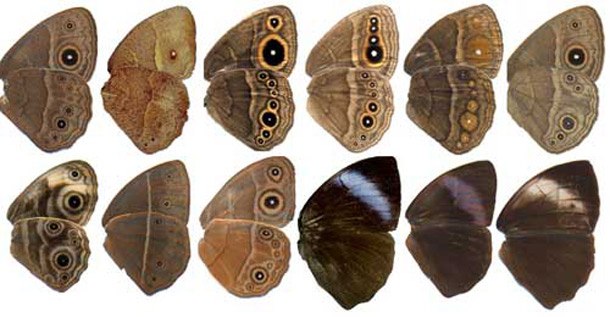
What is it called when humans decide which traits of an organism are the most desirable and only allow those organisms with the specific, desired traits to breed.
biological evolution
evolution by natural selection
selective breeding
inbreeding

Identify the fish
Sebastes serriceps
Sebastes nebulosus
Naucrates ductor
Seriola lalandi

Use the dichotomous key to identify this white wildflower
Starflower
Chickweed
Common Strawberry
Bowman's root

What is B?
Bivalve
Gastropoda
Annelida
Teuthida

Black bears hibernate during the winter months.
physical adaptation
behavioral adaptation
Which choice shows the correct way to write the scientific name for a tiger?
Panthera Tigris
panthera tigris
panthera Tigris
Panthera tigris
The _________ levels that 2 organisms share, the more similar they are to each other.
fewer
more
What is the correct order of classification from most general to most specific?
kingdom, domain, phylum, class, order, family, genus, species
domain, kingdom, phylum, class, order, family, genus, species
domain, phylum, class, order, kingdom, family, genus, species
species, genus, family, phylum, order, class, domain, kingdom
What is the proper way to write a scientific name?
Symbion pandora
Symbion Pandora
symbion Pandora
symbion pandora

Which of the following organisms is M. erminea?
A
B
C
D
E

Which shark is the picture of?
Cow Shark
Great White Shark
Hammerhead Shark
Saw Shark
Using the scientific name, Pisum sativum, what is the species?
Pisum sativum
Pisum
sativum
Identify the fish
Sebastes serriceps
Sebastes nebulosus
Naucrates ductor
Seriola lalandi
Putting organisms into groups based on characteristics is
classification
dichotomous key
binomial nomenclature
scientific naming
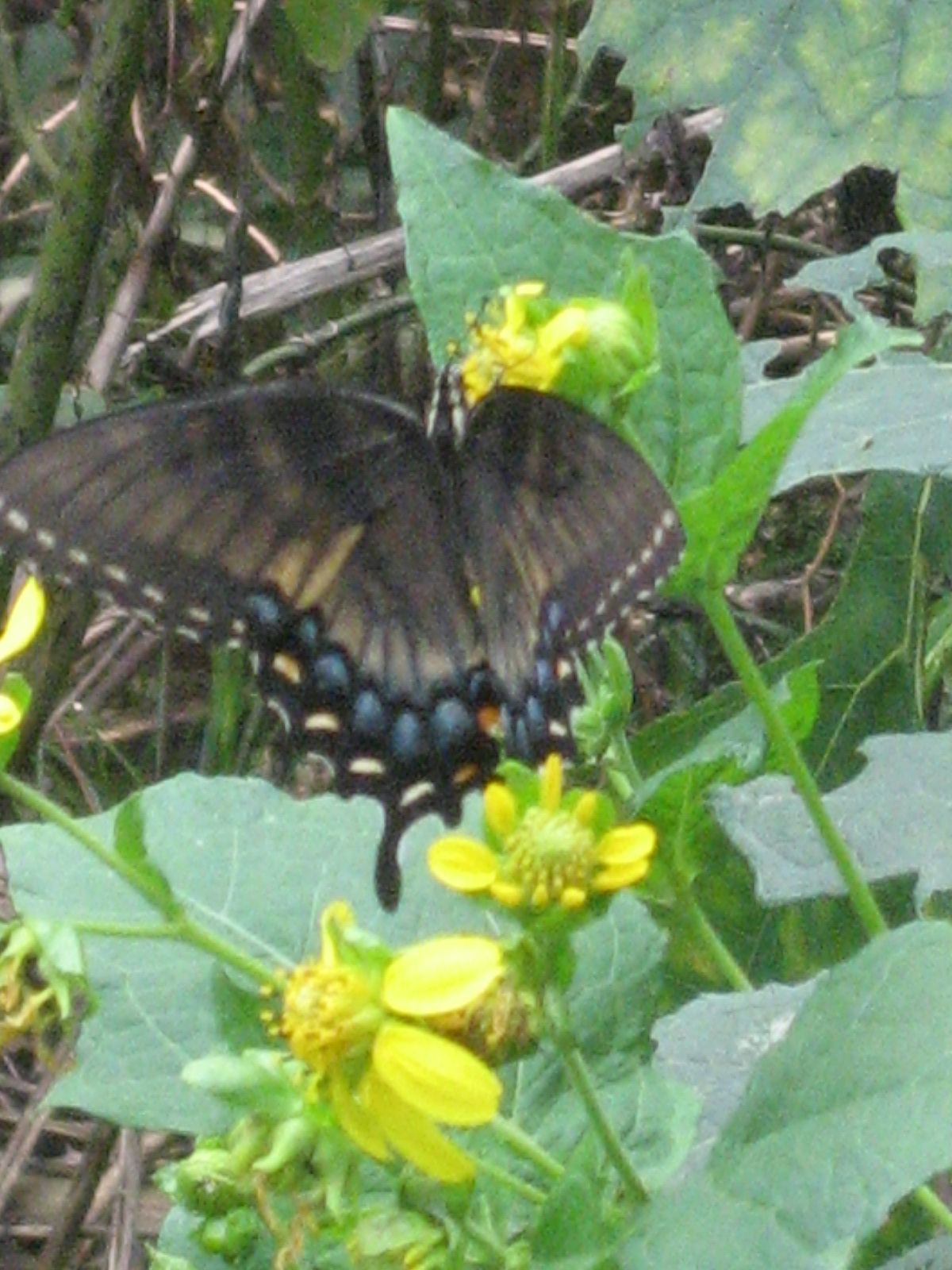
The 8 levels of classification, most specific to most broad (general).
Species, Genus, Family, Order, Class, Phylum, Kingdom, Domain
Which category has more organisms, family or phylum?
Which category is higher than the others?


