wayground logo

Free Printable Worksheets

Font size

S
M
L
XL
Worksheets

Mid Term Review 1 2022-2023 (Do It Before Studying)

Total questions: 64

Worksheet time: 48mins

Name
Class
Date
1.

1 dag = _______ g

a)

1

b)

0.1

c)

100

d)

10

2.

What numbers make this relationship correct?

_____ cg = _____ g

a)

1000....1

b)

100...1

c)

1...100

d)

1.... 1000

3.

What numbers make this relationship correct?

_____ m = _____ mm

a)

1000....1

b)

100...1

c)

1...100

d)

1.... 1000

4.

What numbers make this relationship correct?

_____ g = _____ kg

a)

1000....1

b)

100...1

c)

1...100

d)

1.... 1000

5.

Which of the following is a physical property?

a)

Tearing

b)

Color

c)

Burning

d)

Flammability

6.

Which of the following is a chemical property?

a)

Tearing

b)

Color

c)

Burning

d)

Flammability

7.

Which of the following is an example of a physical change?

a)

Tearing

b)

Color

c)

Burning

d)

Flammability

8.

Which of the following is an example of a chemical change?

a)

Color

b)

Magnetizing a nail

c)

Reactivity

d)

Iron rusting

9.
Jack has a rock. The rock has a mass of 14g and a volume of 2cm3. What is the density of the rock?
a)
7 mL
b)
7 g/cm3
c)
28 g/cm3
d)
1/7 g/cm3
10.

What is the volume of 150.0 grams of lead if it has a density of 11.3 g/cm3?

a)

13.3 g

b)

13.3 cm3

c)

.075 g

d)

1695 cm3

11.

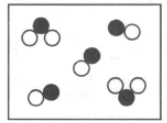
Classify the particle diagram.

a)

element

b)

compound

c)

mixture of elements

d)

mixture of compounds

e)

mixture of elements and compounds

12.

Classify the particle diagram.

a)

element

b)

compound

c)

mixture of elements

d)

mixture of compounds

e)

mixture of elements and compounds

13.

Which of the following is a compound?

a)

CO

b)

Co

c)

Cl

d)

O

14.

vegetable soup

a)

heterogenous mixture

b)

compound

c)

element

d)

homogeneous mixture

15.

brass

a)

compound

b)

element

c)

homogeneous mixture

d)

heterogeneous mixture

16.

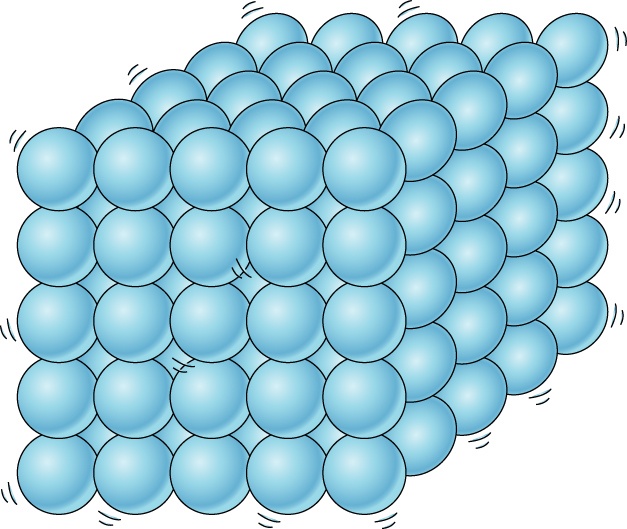
What state of matter?

a)

Solid

b)

Liquid

c)

Gas

d)

Plasma!!!

17.

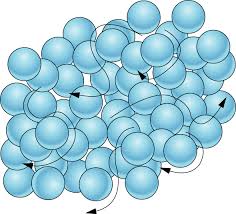
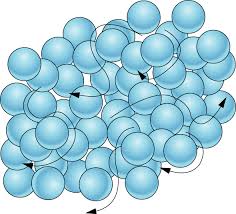
What state of matter?

a)

Solid

b)

Liquid

c)

Gas

18.

Which of the following statements is true regarding the particle structure of liquids? Particles of a liquid are:

a)

very close together, so the liquid cannot easily change its shape.

b)

fast-moving, so they fill the volume of their container.

c)

relatively close together, so they cannot be easily compressed.

d)

very far apart, so they have plenty of room to move around.

19.

Which process could cause a material to change state from gas to liquid?

a)

Adding heat

b)

Adding energy

c)

Removing particles

d)

Removing energy

20.

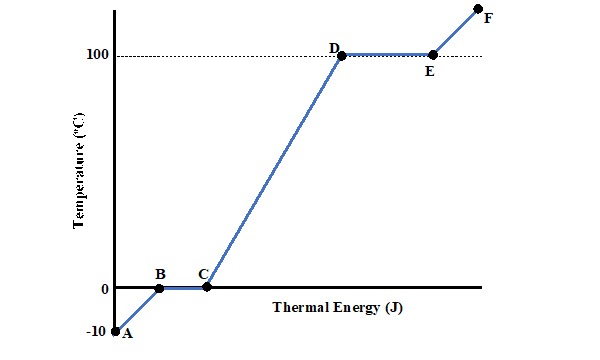
Between which two points is the gas heating up?

a)

A ----> B

b)

B <---- C

c)

C ----> D

d)

D ----> E

e)

E ----> F

21.

Between which two points is the gas condensing?

a)

A <---- B

b)

B <---- C

c)

C <---- D

d)

D <---- E

e)

E <---- F

22.
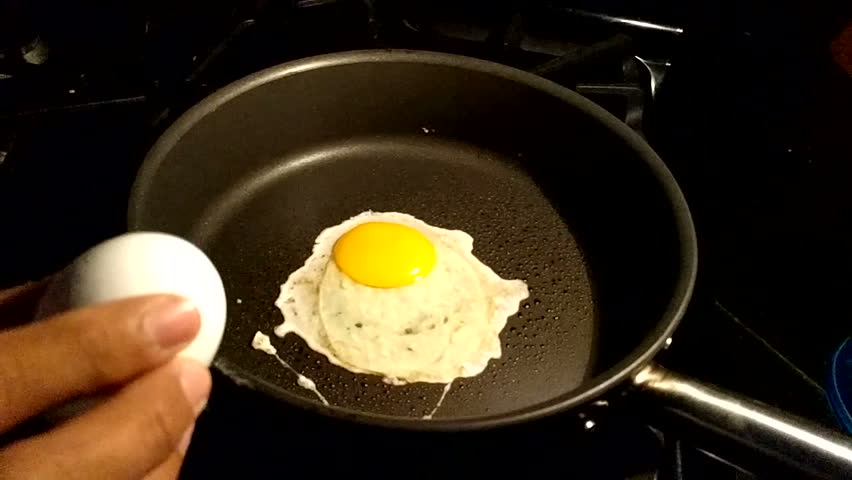
Baking bread and cooking an egg are examples of....?
a)
Endothermic processes
b)
Exothermic processess
c)
None of these 
23.

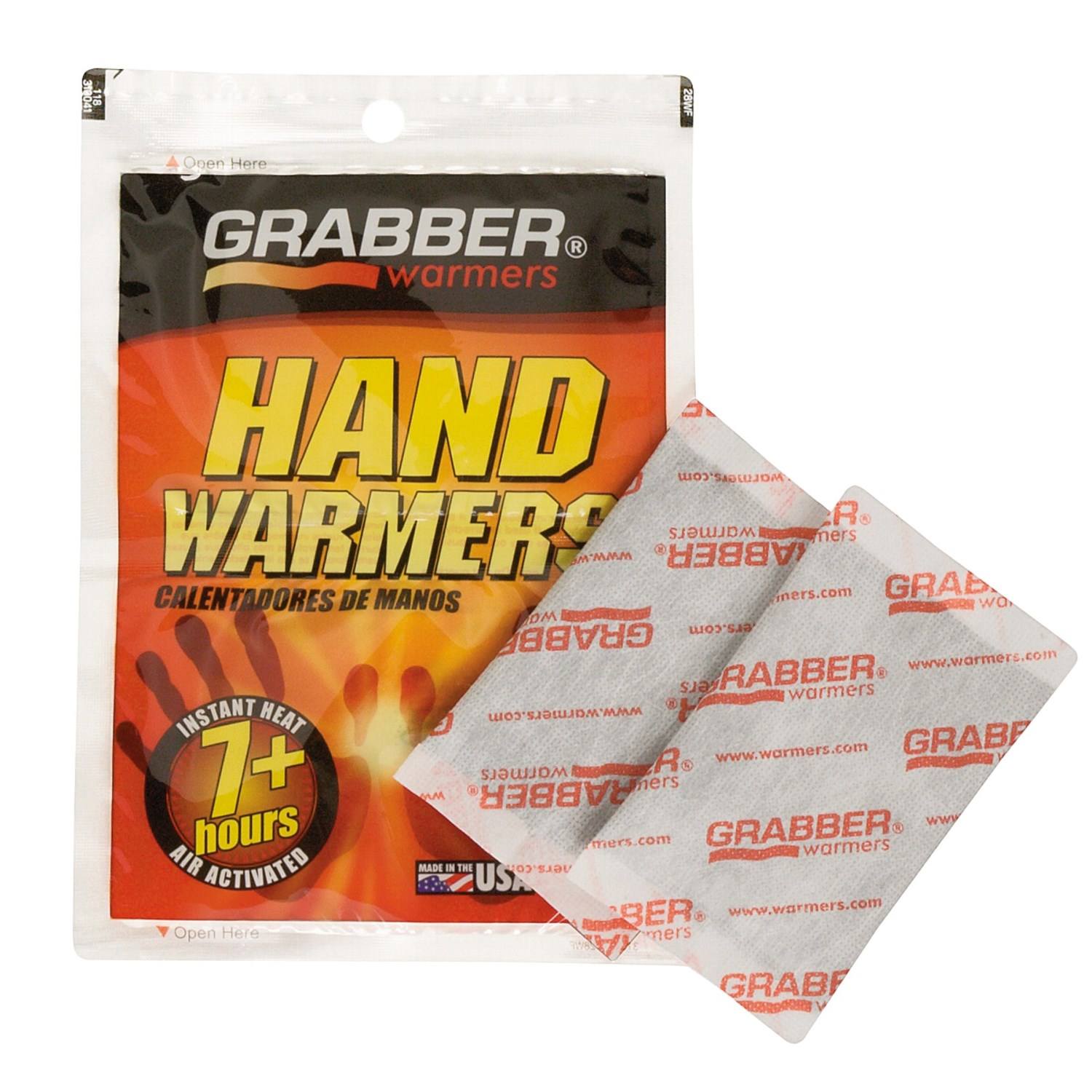
What type of reaction occurs in a hand warmer?

a)

exothermic

b)

endothermic

24.

Look at this picture of Argon off the periodic table. Which of the following is true for this element?

a)

18 protons

b)

40 protons

c)

22 protons

d)

21.9 protons

25.

The atomic mass of an atom is equal to

a)

number of protons plus number of neutrons

b)

number of protons plus number of electrons

c)

number of electrons plus the number of neutrons

26.
Which of these phrases best describes an atom?
a)
a positive nucleus surrounded by a hard negative shell
b)
a positive nucleus surrounded by a cloud of negative charges
c)
a hard sphere with postive and negative charges on the outside
d)
a negative nucleus surrounded by protons and neutrons
27.
The area of the atom where protons and neutrons are found
a)
Electron Cloud
b)
Nucleus
c)
Energy Level
28.
This number is represented by the number of protons in the atom
a)
Atomic Mass
b)
Atomic Number
c)
Mass Number
29.
The horizontal rows of the periodic table
a)
Groups
b)
Periods
c)
Families
30.
The vertical rows of the periodic table, also called families
a)
Groups
b)
Periods
c)
Rows
31.
What atom matches this electron configuration?
1s22s22p63s23p64s23d10
a)
Zinc
b)
Copper
c)
Nickel
d)
Germanium
32.
How many electrons can the d sublevel hold?
a)
14
b)
10
c)
2
d)
6
33.
How many electrons can the s sublevel hold?
a)
14
b)
10
c)
2
d)
6
34.
What atom matches this electron configuration?
1s22s22p63s2
a)
Neon
b)
Magnesium
c)
Aluminum
d)
Potassium
35.

Choose the correct shortcut configuration for iodine.

a)

[Ar]4s24d104p5

b)

[Kr]5s24d105p5

c)

[Xe]5s25d105p5

d)

none of the above

36.
What is the noble gas configuration for beryllium?
a)
[He]1s2
b)
[He]2s2
c)
[Li]2s1
d)
[Li]2s2
37.
How many neutrons would Fe-56 have?
a)
56
b)
26
c)
30
d)
33
38.
Which of the following could have 82 neutrons?
a)
W-182
b)
Ta-181
c)
Cs-132
d)
Ba-138
39.

Isotopes of an element have a different number of...

a)

Protons

b)

Neutrons

c)

Electrons

d)

Mass

40.
The period for Bromine is ___________.
a)
3
b)
2
c)
4
41.
Which of the following is not a property of metals?
a)
brittle
b)
malleable
c)
lustrous
d)
conductive
42.
Which statement is true about the alkaline earth metal family?
a)
They have 2 valence electrons.
b)
They are found on the right side of the periodic table.
c)
They form -2 charges.
d)
They tend to gain valence electrons.
43.

Silicon (Si) is a

a)

Metal

b)

Nonmetal

c)

Metalloid

d)

Halogen

44.

What is the name of group number 1?

a)

halogens

b)

noble gases

c)

alkali

d)

alkaline earth

45.

What is the name of group number 2?

a)

transition metals

b)

halogens

c)

metaloids

d)

alkaline earth

46.

Which of the following is a metal?

a)

sodium (Na)

b)

sulfur (S)

c)

neon (Ne)

d)

chlorine (Cl)

47.

Which of the following is a nonmetal?

a)

zinc (Zn)

b)

potassium (K)

c)

calcium (Ca)

d)

fluorine (F)

48.
All of these properties describe metals except...
a)
malleable
b)
conductors
c)
brittle 
d)
shiny
49.
A substance that is shiny and a good conductor would be classified as a
a)
nonmetal
b)
metalloid
c)
metal
d)
metallica
50.
A substance that is dull, brittle, and a nonconductor would be classified as a
a)
metal
b)
nonnmetal
c)
metalloid
d)
metallica
51.

The charge of a calcium (Ca) ion

(a)  

52.

The charge of a Aluminium (Al) ion

(a)  

53.

USE THE PERIODIC TABLE

How many valence electrons does Phosphorus have?

a)

31

b)

5

c)

15

d)

4

54.
How many valence electrons are found in atoms of group 14?
a)
4
b)
3
c)
14
d)
16
55.
Which atom has the largest atomic radius?
a)
potassium
b)
rubidium 
c)
francium
d)
cesium
56.
Which of the following will have a lower ionization energy than Scandium (Sc)?
a)
Helium (He)
b)
Titanium (Ti)
c)
Calcium (Ca)
d)
Magnesium (Mg)
57.
Which of the following will have a higher electronegativity than arsenic (As)?
a)
Carbon (C)
b)
Neon (Ne)
c)
Antimony (Sb)
d)
Germanium (Ge)
58.
Electronegativity is...
a)
how good an atom is at attracting electrons
b)
the ability of an atom to lose electrons
c)
the energy required to remove an electron from a specific atom
d)
how easy it is to make friends. 
59.
Ionization energy is...
a)
the energy required to add an electron to a specific atom
b)
how much energy it takes to remove an electron from an atom
c)
the energy required to shield the outer electrons from the nucleus
d)
a measure of the ability of an atom to attract electrons
60.

Which is larger... P or P3- ? … and why?

a)

P3- because it gains an energy level

b)

P3- due to extra electron repulsion

c)

P because it loses an energy level

d)

P because of extra electron repulsion

61.
Which is the correct formula for iron (II) oxide?
a)
FeO
b)
Fe2O
c)
FeO2
d)
Fe2O4
62.
What is the correct name for ZnCl2?
a)
zinc chloride
b)
zinc dichloride
c)
zinc (II) chloride
d)
chlorine(II) zincide
63.
What is the formula for copper(I) sulfate?
a)
CuSO3
b)
CuSO4
c)
Cu2SO3
d)
Cu2SO4
64.
Name this compound: 
Ca2CO3
a)
Calcium carbon oxide
b)
Calcium (II) carbonate
c)
Calcium carbonate
d)
Carbonate (I) calcide