
Font size
 Worksheets
NSTP Finals HM1A
Total questions: 45
Worksheet time: 25mins
What R.A is Ecological Solid Waste Management Act of 2000?
RA 9001
RA 9002
RA 9003
RA 9004
R.A. 8749 stands for?
Clean Air Act of 1997
Clean Air Act of 1998
Clean Air Act of 1999
Clean Air Act of 1996
What is R.A. 9512?
National Environmental Awareness and Education Act of 2006
National Environmental Awareness and Education Act of 2007
National Environmental Awareness and Education Act of 2008
National Environmental Awareness and Education Act of 2009
Involves reducing the flow of heat trapping greenhouse gases into the atmosphere, either by reducing sources of these gases.
Adaptation
Mitigation
Anticipation
Awareness
A term means "little girl" in Spanish, signaled by a cold event or episode.
La NiÑa
Acid Rain
El NiÑo
Pollution

Global Warming
Earthquake
Tsunami
Greenhouse Effect
A common cause of deforestation when greedy loggers cut big and small tress, even in protected sites, is often, without a permit from the government.
illegal logging
charcoal making
kaingin system
a color that is associated with freshness and life.
(a)
Which of the following is not influenced by human activities?
Destruction of mangroves and wetlands
Depletion of ground water
Increased extinction rate of species
None of the above
Carbon monoxide is a major contributor to air pollution in Costa Rica. Which of the following is the biggest source of carbon monoxide?
Factories and businesses
People (breathing)
Motor vehicles
Trees
Which of the following is a renewable natural resource?
oil
iron ore
trees
coal

Which are the three R's?
Renew, Run, Recycle
Reuse, Reduce, Recycle
Remake, Revive, Recycle
None of the answers are correct

Check the things we can do to help preserve the environment?
Plant trees
Use public transports
Reduce paper consumption
Which of the following household wastes is considered hazardous waste?
Plastic packaging
Glass
Batteries
Spoiled food

Environmental awareness is to understand...
the fragility of our environment and the importance of its protection.
the cosmos
the way nature works
All the answers are correct


Which is an eco-friendly choice?
Eating less food
Eating in local restaurants
Creating less waste

Biodegradable means...
harmful for the environment
made of plastic
capable of being decomposed
unable of being decomposed

What do you use to carry your groceries?

The gradual increase of the average temperature of the Planet is called...
Ice melting
Desertification
Global warming
Deforestation
Global Warming is caused..
Only by Human Activity
Only by Natural Factors
Mainly by Natural Factors
Both by Human and Natural Factors
This happens when climate changes.
More frequent typhoons
Ice melts and islands disappear
Water in the oceans warms and expands
All of these
In the office, what are the possible ways to reduce carbon footprint?
switch off electrical appliances when not in use
recycle
reduce amount of paper used
use recycle paper
Which one is an example of greenhouse gas?
Oxygen
Carbon dioxide
Nitrogen
Argon
What does 3R represent in waste management?
Reduce
Remove
Reuse
Recycle
It occurs because the amount of energy in the entire climate system is changed which affects each and every component in the system.
Climate
Climate variability
Climate change
Climate system
The two most abundant greenhouse gases in Earth's atmosphere are _____________.
water vapor and carbon dioxide
carbon dioxide and methane
ozone and carbon monoxide
nitrogen and oxygen
Which of the following is not a way to conserve water?
replace
reduce
reuse
recycle
Humans.........rivers,lakes and oceans because they throw rubbish into them.
pollute
clean
recycle
emit
Car exhaust is polluting the air. We should use.......
climate change
public transportation
junk food
recycle
Humans are........for the environmental problems like pollution.
destroy
exhaust
responsible
effect
I........the TV before I go to bed. I always save energy.
waste
plug
use
unplug
We shouldn't ...........trees. We can plant new trees.
cut down
throw
turn on
pollute
What should we throw into the e-waste bin ?
a newspaper
a plastic bottle
a coke can
batteries
Plastic bags .........our environment, so we should use eco-friendly bags instead of them.
save
protect
threaten
use
I think we should .........when we don't use them. It is an effective way of saving energy at home.
join an environmental organisation
prefer renewable energy
recycle paper and plastic
turn off the lights
Trees are very important for our health because they produce oxygen. As human beings, we cut the trees and destroy the forests and this cause......
nuclear waste
deforestation
air pollution
ozone layer depletion
Global warming is a(n) ..........in the Earth's temperature.
pollution
decrease
increase
degree
Which day is Earth Day
April 22
December 21
August 12
October 31
What was the purpose of the National Environmental Education Act passed by Congress in 1990?
To require that the United States Environmental Protection Agency be a leader in promoting environmental literacy
To establish the Office of Environmental Education
Both
Nothing
To provide individuals, groups and societies with an opportunity and the motivation to be actively involved at all levels in working toward creating a sustainable environment.
awareness
skills
attittudes
participation
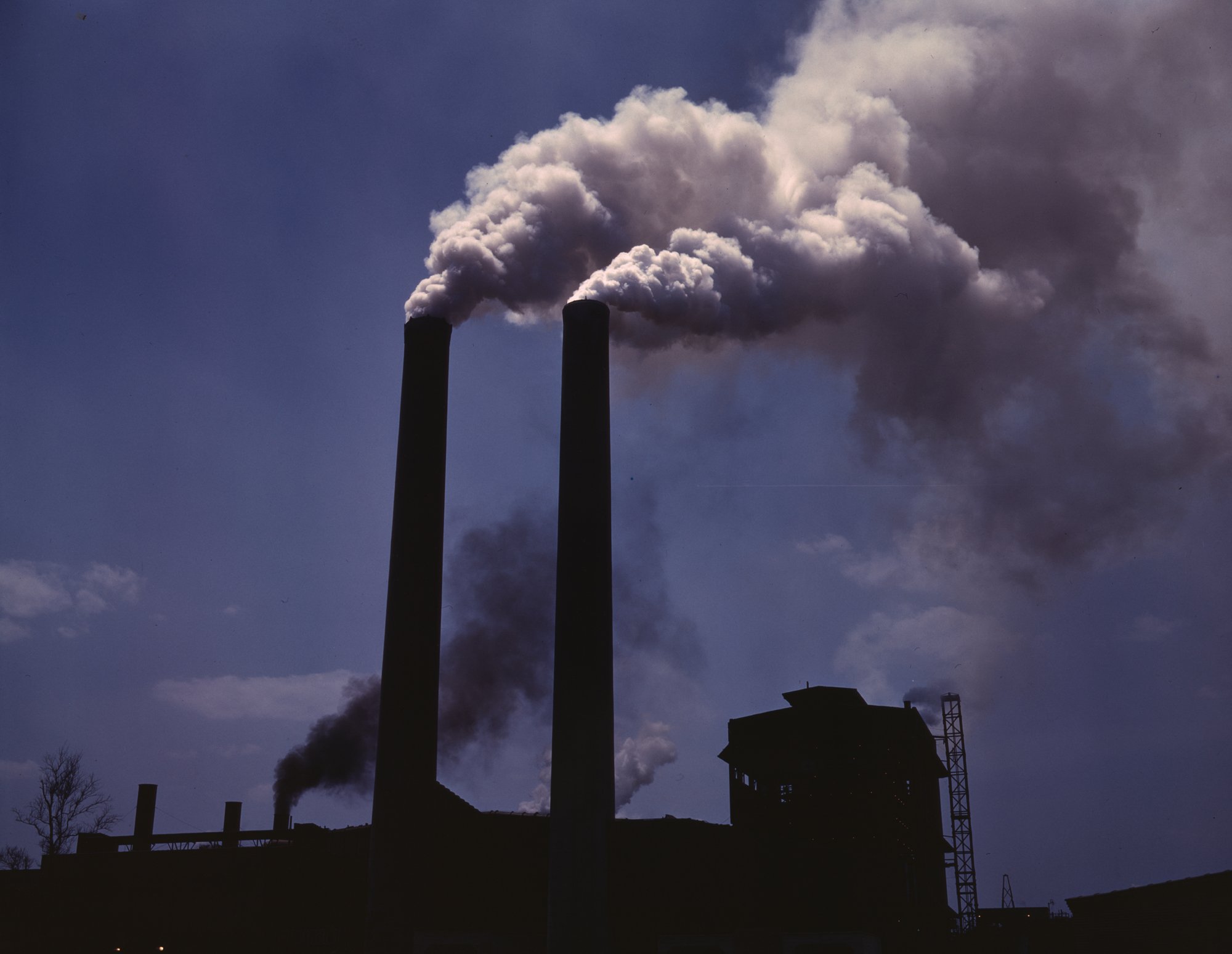
Which of the following is not a possible effect of pollution in people's health?
Malnutrition
Anxiety
Amnesia
Lung Disease

It takes 11 seconds to produce and 100-400 years to degrade naturally
Organic matter
Manure
Plastic bags
Orange peel
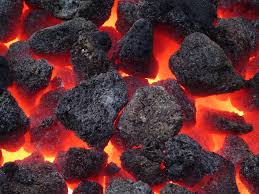
Which of the following is a renewable natural resource?
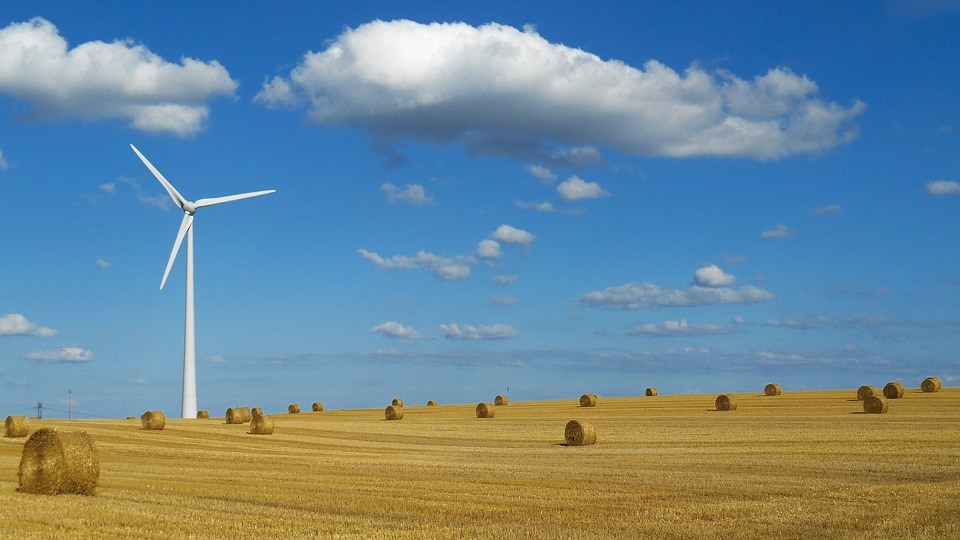
Which of these statements is false?
Environmental education increases public awareness and knowledge
Environmental education advocates a particular viewpoint
Environmental education teaches individuals critical thinking skills
Environmental education enhances an individual's problem solving and decision making skills

