
 Worksheets
Human Body Systems Review
Total questions: 61
Worksheet time: 1hrs 13mins
Which tissue cushions the end of bones?
tendons
ligaments
cartilage
joints
What do we call the place where two bones meet?
skeleton
joint
muscle
rib
___________ are attached to our skeleton and this allow us to move.
skin
muscles
hair
blood vessels


tiny sacs of lung tissue specialized for the movement of gases between air and blood.
lungs
bronchi
alveoli
diaphragm
tiny, hairlike projections in the airway that move in a wavelike manner.
alveoli
cilia
trachea
lungs
the windpipe; a passage through which air moves in the respiratory system.
trachea
lungs
larynx
bronchi
the passages that direct air into the lungs.
lungs
trachea
bronchi
alveoli

What can you infer about the function of the ribcage?
It protects the lungs.
It helps the lungs pump oxygen.
It delivers oxygen from the lungs to the bloodstream.
It connects the trachea to the lungs.
Where does the transfer of oxygen into the bloodstream take place?
In the heart
In the trachea
In the alveoli
In the nasal passages
The walls of the alveoli and capillaries are permeable. What does this mean?
Substances can pass through them.
They are made of muscle.
They are located throughout the body.
They are made of bone.
What happens when your diaphragm relaxes and moves upward?
Your lungs deflate and you breathe out.
Your lungs inflate and you breathe in.
Your alveoli transfer oxygen to your bloodstream.
Your bloodstream transfers carbon dioxide to your alveoli.
What is the dome-shaped muscle beneath the lungs that helps us breathe.
diagram
dialysis
diaghragm
diorama
Where does cellular respiration take place in?
chloroplast
mitochondria
nucleus
vacuole

What is #9 pointing at
trachea
bronchi
diaphragm
alveoli
What is #11 pointing at
trachea
bronchi
diaphragm
alveoli
What is #14 pointing at
trachea
bronchi
larynx
alveoli
Cellular respiration uses glucose and __________ to make energy.
carbon dioxide
glucose
oxygen
mitochondria
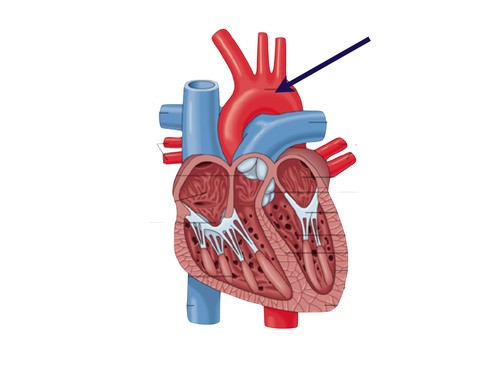
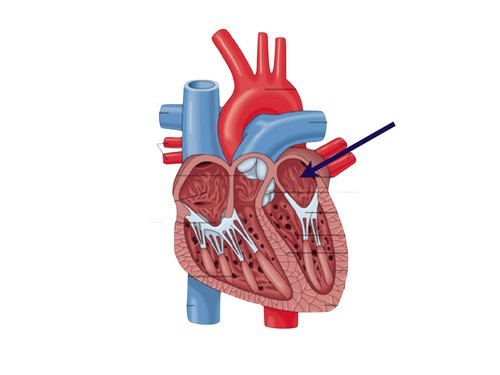
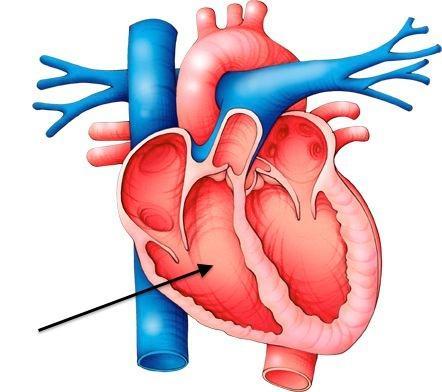
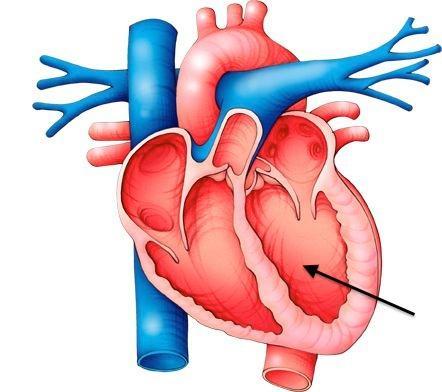
Arteries carry oxygen rich blood away from the heart.
True
False
Veins carry oxygen poor blood back to the heart.
False
True


What is a Neuron?
A cell
A transmitter to transmit messages to cells
A receiver for information
a gland
The three main functions of the nervous system are ...
Decision making, thinking, and gathering information
Seeing, Feeling, and Hearing
Gathering information, maintaining homeostasis, and responding to stimuli
Using the 5 senses, telling my body to move, and being aware of my surroundings
What part of a neuron is responsible for sending an impulse to the next neuron?
Axon Terminal
Dendrites
Cell Body
Axon
The nerves that extend from the brain and spinal cord, make up the _____________________.
Central Nervous System(CNS)
Somatic Nervous System
Autonomic Nervous System
Peripheral Nervous System(PNS)
Photoreceptors detect light, enabling me to see.
True
False
Smell and Taste are closely related because they both use ___________________________.
thermoreceptors
chemoreceptors
proprioceptors
photoreceptors
Which sensory receptors send impulses to the brain about temperature?
thermoreceptors
photoreceptors
proprioceptors
mechanoreceptors
Which two organs make up the Central Nervous System(CNS)?
Brain and Heart
Brain and Lungs
Brain and Nerves throughout the body
Brain and Spinal Cord
The Autonomic Subsystem of the Peripheral Nervous System(PNS) is involved in which of the following actions?
Digesting Food
Chewing Food
Lifting the fork
Washing hands
Stepping outside on a cold day and shivering is an example of my body _______________________________.
Staying warm
attempting survival
maintaining homeostasis



