wayground logo

Free Printable Worksheets

Font size

S
M
L
XL
Worksheets

1-3 Candy Land Review

Total questions: 80

Worksheet time: 2hrs 22mins

Name
Class
Date
1.

78% of the Earth's atmosphere is ___________ and 21% of the Earth's atmosphere is _____________.

a)

Oxygen, Nitrogen

b)

Nitrogen, Oxygen

c)

Nitrogen, Carbon Dioxide

d)

Oxygen, Carbon Dioxide

2.

In what layer of the atmosphere do all weather events occur?

a)

Stratosphere

b)

Exosphere

c)

Mesosphere

d)

Troposphere

3.

In the troposphere, the temperature _____ as altitude increases.

a)

Increases

b)

Decreases

c)

Stays the same

d)

Goes up and down

4.

As altitude increases, air pressure....

a)

Increases

b)

Decreases

c)

Stays the same

d)

Goes up and down

5.

The ozone layer is a sublayer of the ________ layer.

a)

Troposphere

b)

Stratosphere

c)

Exosphere

d)

Mesosphere

6.

Why is the ozone layer vital to life on Earth?

a)

Planes fly in the ozone layer

b)

It is made up of oxygen (O2)

c)

It shields the Earth from ultraviolet (UV) rays from the sun

d)

It causes clouds to be created

7.

In which layer of the atmosphere do meteors burn up?

a)

Troposphere

b)

Mesosphere

c)

Thermosphere

d)

Exosphere

8.

This layer is the hottest layer of the atmosphere?

a)

Troposphere

b)

Stratosphere

c)

Mesosphere

d)

Thermosphere

9.

This layer is the outermost layer of the atmosphere. Satellites orbit the atmosphere in this layer.

a)

Exosphere

b)

Mesosphere

c)

Thermosphere

d)

Ozone Layer

10.

What is the order of the layers of the atmosphere, starting with the layer closest to Earth's surface?

a)

Stratosphere, Troposphere, Exosphere, Mesosphere, Thermosphere

b)

Troposphere, Stratosphere, Mesosphere, Thermosphere, Exosphere

c)

Troposphere, Stratosphere, Mesosphere, Exosphere, Thermosphere

d)

Troposphere, Stratosphere, Thermosphere, Exosphere, Mesosphere

11.

What layer of the atmosphere has the highest air pressure?

a)

Troposphere

b)

Stratosphere

c)

Exosphere

d)

Mesosphere

12.

What layer of the atmosphere has the lowest air pressure?

a)

Troposphere

b)

Stratosphere

c)

Exosphere

d)

Mesosphere

13.

Which explanation correctly describes the greenhouse effect?

a)

The process of the atmosphere keeping the Earth's surface dense

b)

The process of the atmosphere trapping the sun's radiation, and making the Earth warm and livable for humans

c)

The process of the atmosphere keep us from floating into space

d)

The process of the atmosphere reflecting all of the Sun's heat back into space

14.

Which atmospheric layer is the Aurora Borealis located in?

a)

Troposphere

b)

Mesosphere

c)

Exosphere

d)

Thermosphere

15.

Which is an example of heat being transferred by conduction?

a)

a pot of water on a stove boiling

b)

a furnace heating the air in a school

c)

the sun heating water in a swimming pool

d)

an ice cube melting in a person’s hand

16.

Near the ceiling of a room the air is warmer. The warm air rises because of ________.

a)

Conduction

b)

Convection

c)

Radiation

17.

Which best describes the process of convection?

a)

Convection is the primary way heat travels through rays.

b)

Convection is the primary way heat travels through liquids and gasses.

c)

Convection is the primary way heat travels through appliances.

d)

Convection is the primary way heat travels through metals.

18.

A huge rock at the state park gets so hot during the day because of ________.

a)

Radiation

b)

Conduction

c)

Convection

19.
A group of friends gather around a fire to stay warm.
a)
conduction
b)
convection
c)
radiation
20.
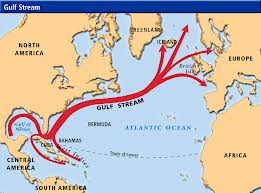
The Gulf Stream is a current that brings warm ocean water from the south to the north.
a)
conduction
b)
convection
c)
radiation
21.
Walking on the warm sand sand with your bare feet.
a)
conduction
b)
convection
c)
radiation
22.
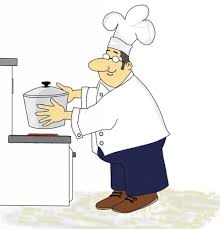
The man goes to take the hot pot off the stove with his bare hands.
a)
conduction
b)
convection
c)
radiation
23.
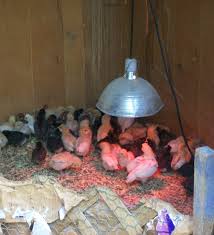
The baby chickens are kept warm from the heat lamps.
a)
conduction
b)
convection
c)
radiation
24.
In this experiment, the WARM red dye and the COLD blue dye was placed in the water at the same time. The warm red dye rose to the top while the cold blue dye sank to the bottom.
a)
conduction
b)
convection
c)
radiation
25.
Warm air is __________ dense than cold air and rises creating convection currents.
a)
more
b)
less
26.

When the Sun's energy is trapped by greenhouse gases, the temperature on Earth will

a)

Decrease

b)

Stay the same

c)

Increase

d)

Fluctuate or change

27.

What are greenhouse gases?

a)

Gases that help plants stay warm

b)

Gases that absorb UV radiation (sunburn causing radiation)

c)

Gases that cause acid rain

d)

Gases that absorb infrared radiation (heat energy)

28.

What are the two main gases that make up the Earth's atmosphere?

a)

oxygen and methane

b)

oxygen and nitrogen

c)

chlorine and argon

d)

nitrogen and water vapor

29.
Which of the following is the correct order of the atmosphere layers from Earth to space?
a)
troposphere, stratosphere, mesosphere, thermosphere, exosphere
b)
troposphere, mesosphere, thermosphere, exosphere, stratosphere
c)
thermosphere, stratosphere, mesosphere, troposphere, exosphere
d)
troposphere, stratosphere, mesosphere, exosphere, thermosphere
30.
This is the coldest layer of the atmosphere.
a)
troposphere
b)
thermosphere
c)
mesosphere
d)
stratosphere
31.
As you go higher in the troposphere, the temperature _______________.
a)
decreases
b)
increases
c)
stays the same
d)
gets very hot
32.
What is the function of the ozone layer?
a)
to allow UV rays to get to Earth
b)
to block UV rays from getting to Earth
c)
To keep oxygen in
d)
to allow meteors to get to Earth
33.
What percentage of our atmosphere is made up of other gases such as argon, water vapor, and carbon dioxide?
a)
1%
b)
21%
c)
78%
d)
90%
34.
What happens to the air pressure the higher up in space you go?
a)
the air pressure increases
b)
the air pressure decreases
c)
the air pressure stays the same
d)
there is no air pressure
35.
Which layer has the highest pressure?
a)
thermosphere
b)
stratosphere
c)
troposphere
d)
ionosphere
36.
What is the greenhouse effect?
a)
The warming of a planet due to trapped radiation.
b)
The cooling of Earth due to air pollution.
c)
The heating of a solid, such as a rock.
37.
 Which of the following activities contributes the most to carbon emissions globally?
a)
Deforestation
b)
Agriculture
c)
Burning fossil fuels
d)
Respiration
38.
Melting of glaciers and polar ice caps....
a)
will result in cooler temperatures in the Arctic
b)
will result in sea-levels rising
c)
Will have no effect on ecosystems
d)
None of the above
39.
Which of the following are greenhouse gases?
a)
Carbon dioxide
b)
Methane
c)
Water vapor
d)
All answers are correct
40.
What happens to the temperature if more greenhouse gases are released into the atmosphere?
a)
Temperature goes up
b)
Temperature goes down
41.
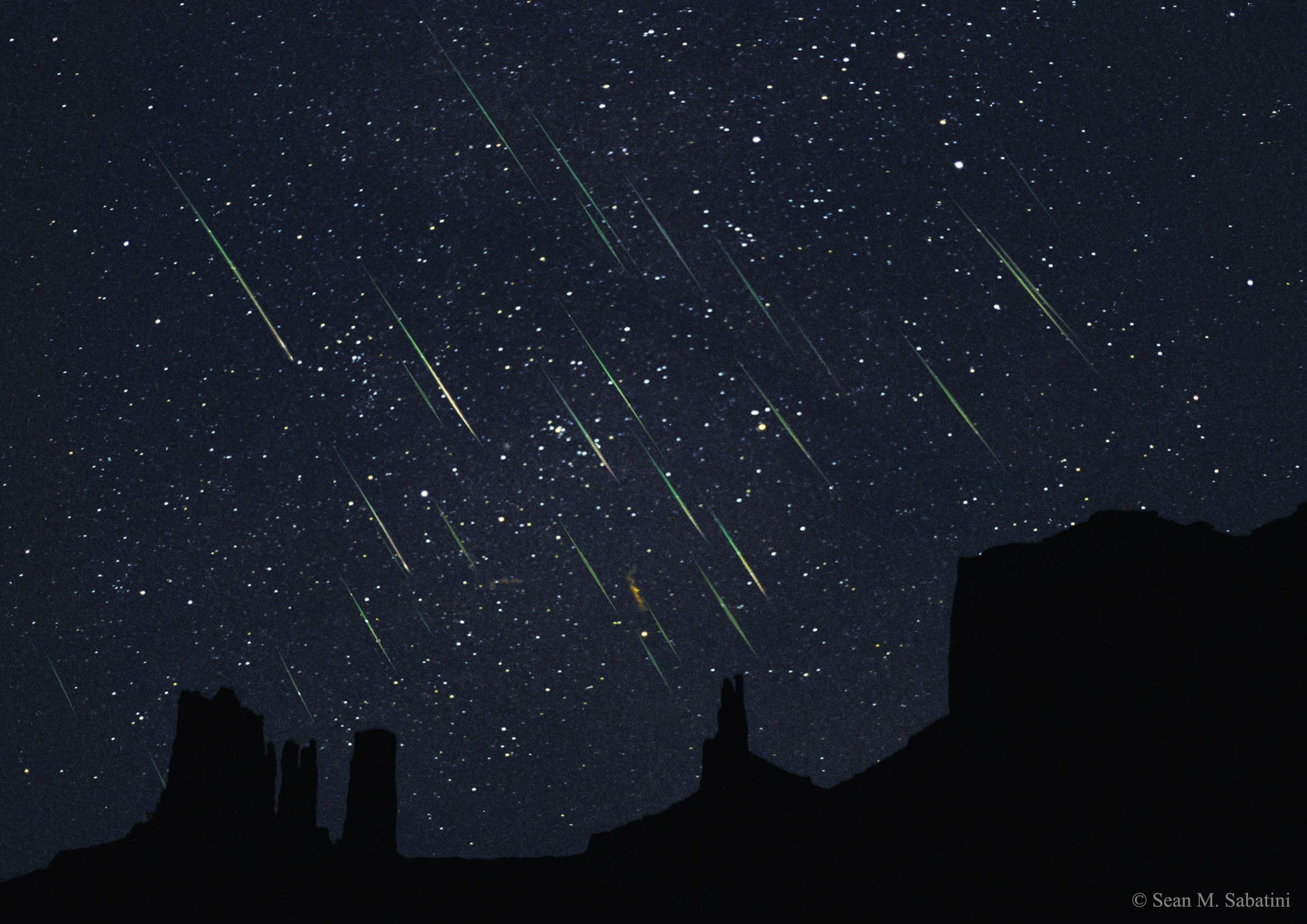
This is the layer where meteors, or shooting stars, burn up.
a)
Troposphere
b)
Stratosphere
c)
Mesosphere
d)
Thermosphere
42.

Global Warming is MAINLY caused by...

a)

...the Sun

b)

...the Greenhouse Effect.

43.

Trees help the Earth because...

a)

...they absorb huge amounts of Carbon Dioxide (CO2) from the air and release oxygen back into it.

b)

...they absorb huge amounts of oxygen from the air and release Carbon Dioxide (CO2) back into it.

44.

Deforestation is another cause of global warming.

a)

True

b)

False

45.

What is Global Warming?

a)

Increasing temperature in Earth's atmosphere

b)

Decreasing temperature in a city

c)

Increasing rain rates in Earth

d)

Decreasing temperature rates

46.
Why does cutting down trees increase global warming?
a)
trees soak up carbon dioxide
b)
trees provide shade which counteracts global warming
c)
trees absorbs the sun's energy without radiating back into the atmosphere
d)
trees drain greenhouse gases like methane from soil
47.
Where you will find the ozone layer.
a)
stratosphere
b)
thermosphere
c)
exosphere
d)
mesosphere
48.
The higher you go, the air becomes _____ _____.
a)
More dense
b)
Less dense 
49.
What happens to the density (thickness)/air pressure of the air as you increase in altitude?
a)
density increases
b)
density decreases
c)
density stays the same
d)
density disappears
50.
Which layer has a part that is thick  with a clay-like consistency that transfers heat through convection?
a)
Crust
b)
Mantle
c)
Core
d)
All of them
51.

The process of sediment being dropped off in a new location is called

a)

Erosion

b)

Evaporation

c)

Weathering

d)

Deposition

52.

What energy source drives the water cycle?

a)

Core of the earth

b)

Ocean

c)

Equator

d)

Sun

53.

Where does most of the water that evaporates on Earth come from?

a)

The Sky

b)

The wind

c)

Ocean

d)

The lake

54.

Where is most of the Earth's freshwater found?

a)

Oceans

b)

Lakes

c)

Underground

d)

Ice caps and glaciers

55.

What is erosion?

a)

The breaking down of rock

b)

The transportation of sediments

c)

The deposition of sediment

56.
What is salinity?
a)
the amount of matter in a specific volume
b)
the degree of how hot or cold something is
c)
the landforms of the continent or the oceans
d)
how much salt is dissolved in a liquid
57.
What gas from the list below is a cause for global warming?
a)
Urethane
b)
Oxygen
c)
Carbon Dioxide
58.

Which is one cause for Global Warming?

a)

Burning Fossil Fuels

b)

Pollution from factories

c)

Both are causes for Global Warming

59.
Humans have the ability to cause temperature change.
a)
True
b)
False
60.
Without the Greenhouse Effect the Earth would be
a)
warm 
b)
cold
c)
dead
61.
In which layer of the atmosphere does weather occur?
a)
Mesosphere
b)
Thermosphere
c)
Stratosphere
d)
Troposphere
62.
The hottest layer of the atmosphere is the ________________.
a)
troposphere
b)
thermosphere
c)
exosphere
d)
mesosphere
63.

The energy from the absorbed radiation heats the gases in the air and the gases hold the heat in the Earth’s atmosphere. This process is called the

a)

Electromagnetic Waves

b)

Greenhouse Effect

c)

Heat Transfer

d)

El Niño

64.

Which are considered Greenhouse Gasses?

a)

Sodium Chloride, Sodium dioxide, methanicane, and other gases in the air are considered Greenhouse Gases

b)

Sodium Choride and smoky gasses

c)

Water vapor, carbon dioxide, methane, and other gases in the air

d)

Oxygen and Triglyceride

65.

How are humans contributing to the Greenhouse Effect

a)

By increasing the rate of chemical and mechanical weathering

b)

By shopping too much

c)

By watching Netflix on the weekends and eating strawberry popcorn all day

d)

By increasing Carbon Dioxide (CO2)

66.

What makes global winds curve rather than move in straight lines North and South?

a)

Coriolis Effect

b)

Density of the air

c)

Temperature of the air

d)

Pressure of the air

67.
When warm air rises, ______ pressure forms at the surface of the land or sea.
a)
high
b)
some
c)
low
d)
none
68.
In a sea breeze, the air is warmer above the _____.
a)
land
b)
ocean
c)
sky
d)
beach
69.
Do sea breezes typically happen during the day or night?
a)
Day
b)
Night
70.
Why do land breezes occur at night?
a)
Land cools off slower than water, so the air above water is cooler.
b)
Water cools off faster than land, so the air above land is warmer.
c)
Land heats up slower than water, so the air stays cooler during the day.
d)
Water cools off slower than land, so the air above water is warmer.
71.
Why does warm air rise?
a)
Warm air is more dense than cooler air.
b)
Warm air has more pressure than cooler air.
c)
Warm air is less dense than cooler air.
d)
Warm air has a higher dew point than cooler air.
72.
Do land breezes typically happen during the day or night?
a)
Day
b)
Night
73.
Do sea breezes typically happen during the day or night?
a)
Day
b)
Night
74.
During a land breeze which way does the wind blow?
a)
from the sea to the land
b)
from the land to the sea
75.
During a sea breeze which way does the wind blow?
a)
from the land to the sea
b)
from the sea to the land
76.
In a sea breeze, the air is warmer above the _____.
a)
land
b)
ocean
c)
sky
d)
beach
77.
Where does the initial source of energy come from that creates winds?
a)
the moon
b)
the sun
c)
the Earth's surface
d)
the rotation of the Earth
78.
Why do land breezes occur at night?
a)
Land cools off slower than water, so the air above water is cooler.
b)
Water cools off faster than land, so the air above land is warmer.
c)
Land heats up slower than water, so the air stays cooler during the day.
d)
Water cools off slower than land, so the air above water is warmer.
79.
What occurs when cool air moves from the beach toward the ocean during the night? 
a)
a land breeze 
b)
prevailing winds 
c)
a sea breeze 
d)
updrafts
80.
Land and water absorb and release the sun’s heat in different ways. One result of this is a sea breeze. Which statement is true of sea breezes?
a)
They originate in the day and blow toward the land.
b)
They originate in the day and blow toward the water.
c)
They originate in the evening and blow toward the land.
d)
They originate in the evening and blow toward the water.