
 Worksheets
Cells Ultimate Quiz
Total questions: 114
Worksheet time: 3hrs 2mins
Every living organism is made up of one or more cells
True
False

A Tree
alive
not alive

A River
alive
not alive

Animals cells and plant cells are exactly the same.
True
False
Only ____________ cells have a cell wall instead of a cell membrane.
plant
animal
white blood
living

A chicken egg is a cell.
True
False

All plant and animal cells contain chromosomes with DNA.
True
False
A seed
alive
not alive
Ms. Kendrick
alive
not alive
DEFINITELY not alive
not sure
possibly a vampire
The fastest growing organ in humans is the _____________.
bones
lungs
skin
nucleus
Genes are made of the molecule ______________________.
hydrogen
DNA
oxygen
chromosome

_____________ a very long molecule that has chemicals in a special order.
A nucleus is
Genes are
DNA is
Skin is
A person has ____________ pairs of chromosomes.
46
23
26
48
Which of the following converts food into energy for the cell?
vacuole
mitochondria
cytoplasm
cell membrane
The fluid that surrounds the organelles is... (hint... "Try to pull a fast one and..."
chloroplast
cytoplasm
vacuole
cell wall
Which organelle takes in "sun showers" and helps plants with the process or photosynthesis?
Vacuole
Mitochondria
Cytoplasm
Chloroplast
The basic building blacks from which all living organisms are made are
cells
DNA
chromosomes
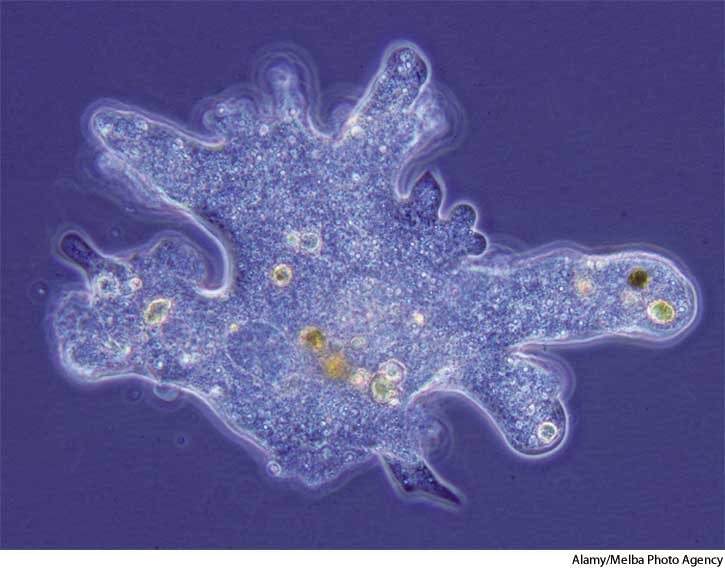
Amoeba
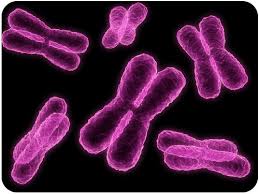
A normal human cell contains how many chromosomes?
16
26
46
14
It is true, not all cells have a true nucleus, but all cells must have some sort of
DNA
Cytoplasm
Osmosis
Call Wall
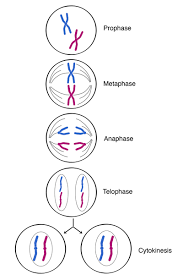
True or False: During Mitosis the nucleus divides in two
True
False
True or False: Interphase uses the most time for cell growth
True
False
The the three main phases of cell division are, Interphase, Mitosis and
cytoplasm
cytokineses
Cell Division
Cell phones
True or False: Cells Require oxygen to survive?
True
False
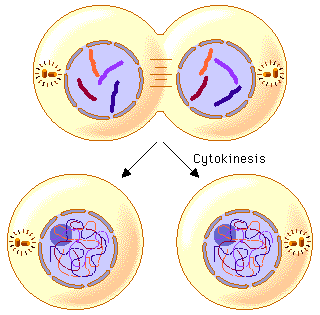
During this phase, animal cell looks like it is being pinched in the middle.
Interphase
mitosis
cytokineses
Telephase
Genes contain genetic
Cells
Traits
Traitors
Cytoplasm
This part of the cells controls what moves in and out
cell wall
cell membrane
Cytoplasm
organelles
_______ are the smallest units of life because they grow, reproduce, respond, and use energy.
atoms
elements
cells
all of the above
Cells come from______.
other preexisting cells
cytoplasm
organelles
prokaryotes
The cell theory states that_________
cells come from cells
all organisms are made of cells
cells are the basic unit of structure and function for life
all of the above
________ is the scientist who saw small chambers when looking at cork, and named them “cells”.
Newton
Hooke
Carson
Manning
The size of an organism is determined -
by the size of the cells that make up the organism.
by the number of cells that the organism has.
The cell theory is a result of the work of one very important scientist name Hooke.
True
False
A multicellular organism is made of
one cell
multiple cells
unicellular cells
there is no such thing as a "multicellular" organism
One common feature of all cells is their ability to -
work with other cells in a "unicellular" organism.
reproduce themselves.
be formed by spontaneous generation.
exist without needing a cell membrane
When a cell is ready to reproduce, it duplicates its contents, then divides into two similar (and sometimes exact duplicate) cells.
True
False
Regardless of type, all cells
have a cell membrane
have cytoplasm
can duplicate themselves by undergoing cell division
all of the above

What is NOT a part of cell theory:
all cells come from existing cells
all cells have a nucleus
all living things are made of cells
cells are basic unit of structure and function in living things



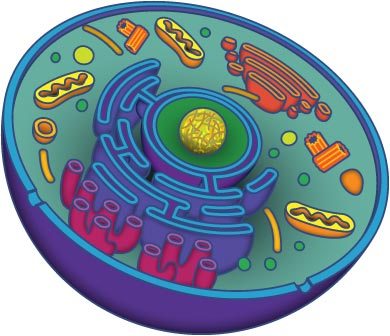

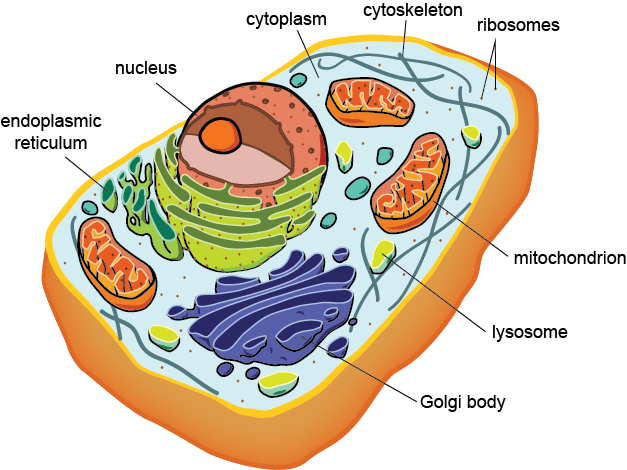

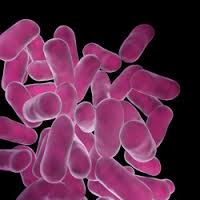
Which organelle produces energy?
Chloroplast
Mitochondria
Nucleus
Ribosomes
Which organelle has chlorophyll in it?
Mitochondria
Nucleus
Cell Membrane
Chloroplast
Which organelle contains DNA and controls the cell?
Endoplasmic Reticulum
Golgi Apparatus
Nucleus
Vesicles
Which organelle controls what goes in and out of the cell?
Cell Membrane
Golgi Apparatus
Mitochondria
Ribosomes
Which organelle produces proteins?
Nucleus
Ribosomes
Mitochondria
Vesicles
Which organelle packages and transports proteins?
Golgi Body
Endoplasmic Reticulum
Vesicles
Cytoskeleton
Which organelle can be rough or smooth?
Cell Membrane
Endoplasmic Reticulum
Golgi Apparatus
Nucleus
Which organelle helps with structure of a plant cell?
Cell Wall
Cell Membrane
Nucleus
Lysosomes
The cell wall is found only in plant cells
True
False
What do vacuoles do?
store water, food, and waste
create energy
nothing
give the cell its shape
Cells are the tiniest things in the world
True
False
Cells can be different sizes and shapes.
True
False
How many microorganisms make up the human body?
70 trillion
80 trillion
90 trillion
100 trillion
Cells are big enough to see without a microscope
True
False
What is a group of cells working together called?
Tissue
Organ
System
What is a group of organs working together called?
Tissue
Organ
System
Cells are measured in...
Micrometers
Nanometers
Centimeters
Meters
Molecules are measured in...
Micrometers
Nanometers
Centimeters
Meters
Molecules are bigger than cells
True
False

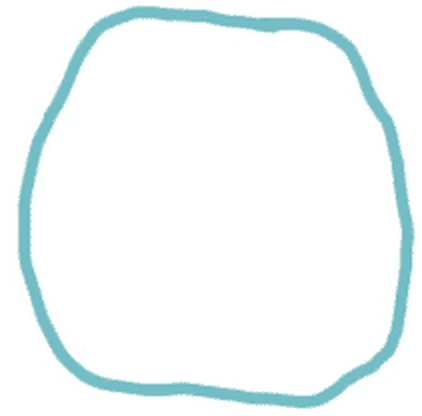
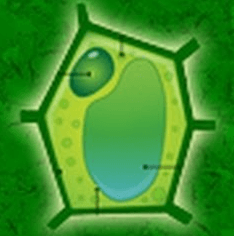


Student 1: Cell 1 is a plant cell because it has a cell wall
Student 2: Cell 2 is an animal cell because it has a nucleus
Student 3: Cell 1 is a plant cell because it has chloroplasts
Student 4: Cell 2 is an animal cell because it has a cell membrane
Who is correct?
"Small organs" of the cell that carry out specific functions
Organelles
Organs
Cell Wall
Cell
supports and protects the cell; only in plant cells
Cell Window
Cell Wall
Cell Membrane
Cover
protective layer around all cells, allows nutrients in and waste out
Cell Wall
Cell Membrane
Endoplasmic Reticulum
Ribosomes
Where photosynthesis occurs; in plant cells only
Chloroplast
Cell Wall
Endoplasmic Reticulum
Mitochondria
breaks down food for energy, called powerhouse
Cytoplasm
Cell Wall
Endoplasmic Reticulum
Mitochondria
Control center of cell, contains instructions for everything the cell does.
Ribosomes
Nucleus
Endoplasmic Reticulum
Mitochondria
stores materials such as food, water, sugar, and minerals
Ribosomes
Nucleus
Vacuole
Mitochondria
builds proteins, each cell contains thousands, found on ER and floating throughout cell
Ribosomes
Nucleus
Vacuole
Golgi Body
gel-like material, where organelles are located
Cytoplasm
Nucleus
Vacuole
Mitochondria
moves materials around in the cell, two types: smooth and rough
Cytoplasm
Nucleus
Vacuole
Endoplasmic Reticulum
packages proteins and moves them throughout the cell
Cell Theory
Golgi Body
Vacuole
Endoplasmic Reticulum
All living things are made up of cells, cells are the smallest unit of life, all cells come from preexisting cells.
Cell Theory
Golgi Body
Vacuole
Life
smallest unit of life
Human
Cell Wall
Cell
Plants

