
 Worksheets
Practice Quiz (Chem Unit 2)
Total questions: 97
Worksheet time: 1hrs 6mins
Which of the following is the correct isotope for the following ion: Protons = 20; Neutrons = 21; Electrons = 18


Which of the following is the correct isotope for the following ion: Protons = 8; Neutrons = 8; Electrons = 10


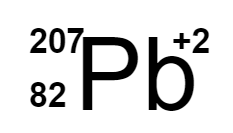
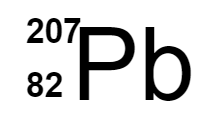
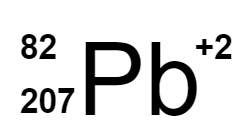
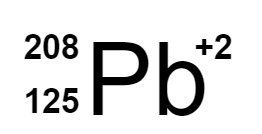
Which of the following is the correct isotope for the following ion: Protons = 82; Neutrons = 125; Electrons = 80
Which of the following is the correct isotope for the following ion: Protons = 30; Neutrons = 36; Electrons = 28


Which of the following is the correct isotope for the following ion: Protons = 37; Neutrons = 48; Electrons = 36


Which of the following is the correct isotope for the following ion: Protons = 35; Neutrons = 46; Electrons = 36


Which of the following is the correct isotope for the following ion: Protons = 50; Neutrons = 70; Electrons = 46


Determine the number of protons:
(a)
Determine the number of neutrons:
79
119
198
76
82
Determine the number of electrons:
79
119
198
76
82
Determine the mass number:
79
119
198
76
82
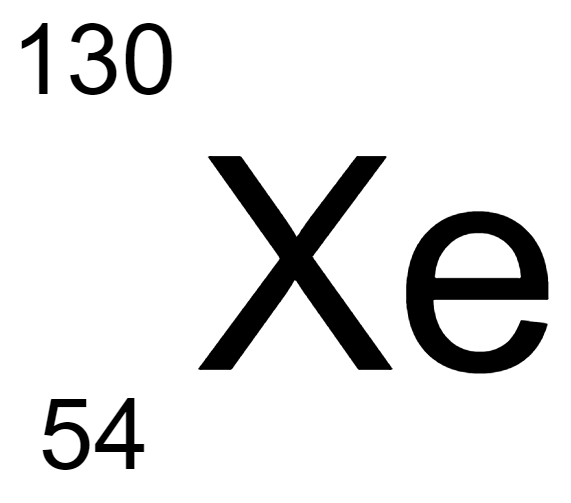
Determine the number of neutrons:
54
130
55
76
184
Determine the number of electrons:
54
130
55
76
184
Determine the number of protons:
54
130
55
76
184
Determine the atomic number:
54
130
55
76
184

Determine the number of neutrons:
48
22
26
4
18
Determine the number of electrons:
48
22
26
4
18
Which of the following is the correct isotope for the following ion: Protons = 38; Neutrons = 50; Electrons = 36


Identify the element:
(a)

Identify the mass number:
(a)
Identify the correct isotope notation:


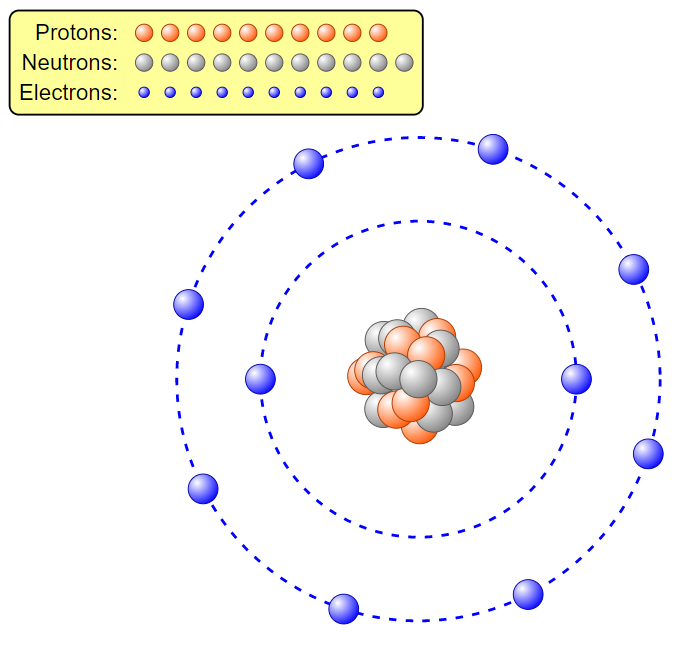
Determine the correct isotope notation:
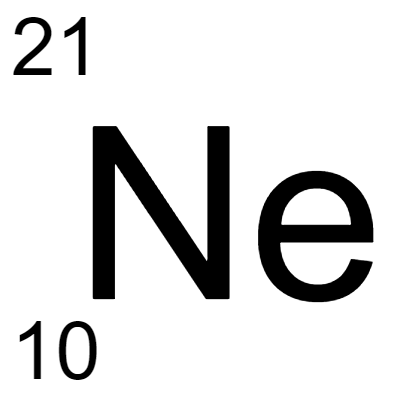
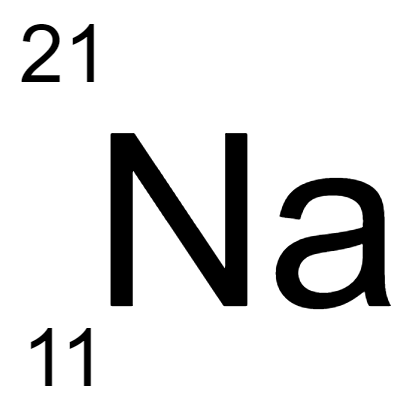
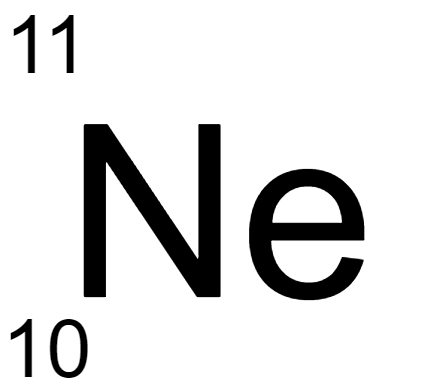
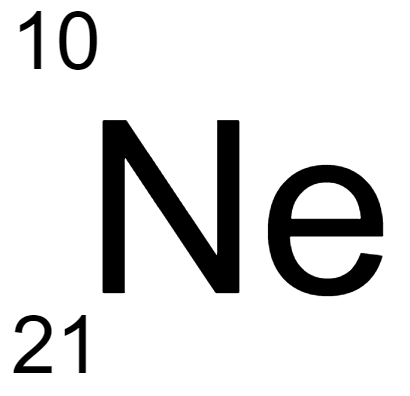
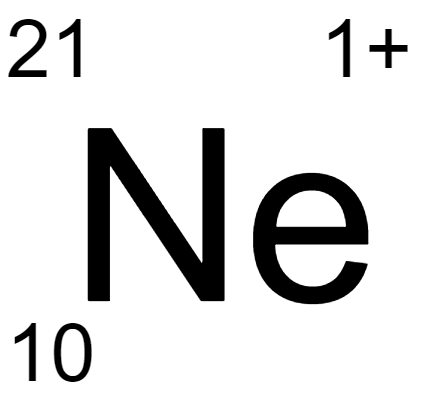

Identify the charge:
(a)
Which of the following is the correct isotope for the following ion: Protons = 19; Neutrons = 21; Electrons = 18


If the number of electrons in an atom changes you make a(n) __________________.
ion
isotope
new element
isomer
If the number of protons in an atom changes you make a(n) __________________.
ion
isotope
new element
isomer
If the number of neutrons in an atom changes you make a(n) __________________.
ion
isotope
new element
isomer
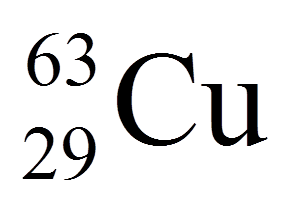
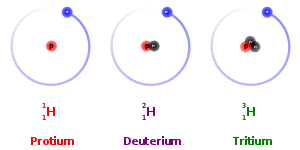

[LT 3] Which isotope of oxygen has 9 neutrons?

168 O

178 O

188 O

[LT 4] The atomic number of the lead atom is (a)
The mass number of the lead atom is (b)

[LT 4] The lithium atom has:
(a) protons
(b) neutrons

How many protons, neutrons and electrons?
12 protons
10 electrons
10 neutrons
22 protons
22 electrons
12 neutrons
12 protons
14 electrons
10 neutrons
12 protons
10 electrons
22 neutrons

How many protons, electrons, and neutrons?
4 protons
2 electrons
5 neutrons
9 protons
7 electrons
5 neutrons
4 protons
6 electrons
5 neutrons
4 protons
4 electrons
9 neutrons

How many protons, electrons, and neutrons?
17 protons
18 electrons
19 neutrons
17 protons
17 electrons
19 neutrons
17 protons
16 electrons
19 neutrons
36 protons
36 electrons
17 neutrons

How many protons, electrons, and neutrons?
16 protons
16 electrons
16 neutrons
16 protons
18 electrons
16 neutrons
16 protons
14 electrons
16 neutrons
32 protons
32 electrons
16 neutrons
The particle(s) found inside the nucleus are called:
Protons
Neutrons
Protons + Neutrons
Protons + Electrons
Give the symbol for 8 protons, 10 neutrons
Oxygen - 8
Oxygen - 18
Oxygen - 10
Oxygen - 16

How many protons are in the following symbol
10
5
15
25

What is the number of electron of the molecule?
24
27
30
32

Which has more protons?
neither
carbon - 12
carbon - 13

What subatomic particle(s) are located in the nucleus?
Protons
Neutrons
Electrons
The atomic number =
Number of Protons
Number of Neutrons
Number of Electrons
Protons + Neutrons
Protons - Electrons
The element symbol is determined by the
Number of Protons
Number of Neutrons
Number of Electrons
Protons + Neutrons
Protons - Electrons
An atom that has the same number of protons as electrons is a(n)
Neutral Atom
Ion
Isotope
An atom that has a different number of protons and electrons is a(n)
Neutral Atom
Ion
Isotope
Atoms that have the same number of protons, a but different number of neutrons is a(n)
Neutral Atom
Ion
Isotope


The ground state is the ______________ energy state of an atom.
highest
lowest


An emission spectrum is produced when an electron moves from one energy level
into the nucleus
to a higher energy level
to another position in the same sublevel
to a lower energy level

If an electron moves from n=4 to n=2 it ____
absorbs energy
releases energy

Which type of spectrum is this?
Emission Spectrum
Absorption Spectrum
Continuous Spectrum
The lowest energy configurations for electrons in an atom is called the
neutral state
home state
ground state
base state


Which element is not present in the mixture?
Element Z
Element X
Element D
Element A
During a flame test, a lithium salt produces a characteristic red flame. This red color is produced when electrons in excited lithium atoms
are gained by the atoms
are lost by the atoms
move to higher energy states within the atoms
return to lower energy states within the atoms
When an electron on hydrogen jumps from n=2 to n=1, it emitts a specific wavelength of light. It can jump from n=1 to n=2 by absorbing ______.
A different wavelength
The same wavelength
Any wavelength

What is the light that you can see called?
observatory light
ultraviolet light
visible light
infrared light

Which of the following has the shortest wavelength?
microwaves
UV rays
Infrared
the color blue

Which of the following has the most energy?
X-rays
The color green
Microwaves
ultraviolet

Which of the following has the longest wavelength?
Infrared
The color Indigo
gamma rays
TV


Sulfur is a...
metal
nonmetal
metalloid
Which of the following element is an example of Halogen
Sodium
Magnesium
Fluorine
Carbon
The modern periodic table is arranged by ___________________.
atomic number
atomic mass
neutrons only
none of the above
Alkaline Earth Metals are..
in group 1 and are the most reactive metals.
in group 2 and are the second most reactive metals.
in group 17 and are the most reactive nonmetals.
in group 18 and are inert (unreactive).
Which of the following is a Noble Gas?
Krypton
Chlorine
Gallium
Has 8 valence electrons and a stable electron configuration
Alkali metals
Alkaline Earth metals
Halogens
Noble gases
Oxygen group

