Wayground logo

Free Printable Worksheets

Font size

S
M
L
XL
Worksheets

Chapter 4 Exam

Total questions: 50

Worksheet time: 30mins

Name
Class
Date
1.

The principal difference between simple and stratified epithelium is in the number of

a)

Microvilli

b)

Cell layers

c)

Free surfaces

d)

Nuclei per cell

2.
Used in places needing protection from scrapes and abrasions such as the skin and esophagus
a)
Cuboidal
b)
Pseudostratified
c)
Simple Squamous
d)
Stratified Squamous
3.

Single layer of flattened cells with disc-shaped central nuclei; the simplest of the epithelium.

a)

simple cuboidal

b)

simple squamous

c)

simple columnar

d)

stratified squamous

4.
a)

simple cuboidal

b)

simple columnar

c)

simple squamous

d)

stratified squamous

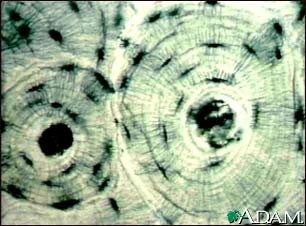
5.
a)

smooth muscle

b)

bone

c)

nerve

d)

blood

6.
a)
nerve
b)
elastic cartilage
c)
fibrocartilage
d)
cardiac muscle
7.
Identify:
a)
Smooth Muscle
b)
Columnar
c)
Transitional
d)
Pseudostratified
8.
Identify:
a)
Columnar
b)
Cuboidal
c)
Transitional
d)
Simple Squamous
9.

Blood is a type of .....

a)

Epithelial Tissue

b)

Connective Tissue

c)

Muscle Tissue

d)

Nervous Tissue

10.
What type of muscle tissue is VOLUNTARILY controlled
a)
Skeletal Only
b)
Skeletal and Cardiac
c)
Smooth and Cardiac
d)
Cardiac Only
11.
The three types of muscle tissue are
a)
skeletal, smooth, and cardiac
b)
dense, loose, and striated
c)
squamous, cuboidal, and columnar
d)
skeletal, smooth, and connective
12.
What is the function of Connective Tissue? 
a)
Conduct Impulses
b)
Help body movement
c)
Protect, Absorb, & Filter
d)
Cushion & Protect or Provide Strength
13.

What tissue is this

a)

epithelial

b)

connective

c)

muscle

d)

nerve

14.
Which body membrane will you find surrounding organs?
a)
Serous
b)
Mucous
c)
Synovial
d)
Integumentary
15.
Name this tissue
a)
Bone
b)
Hyaline cartilage
c)
Fibrocartilage
d)
Adipose
16.

This type of muscle tissue moves food through the digestive tract

a)

Skeletal

b)

Cardiac

c)

Smooth

17.
a)
Columnar epithelium
b)
simple columnar epithelium
c)
Psuedostratified ciliated columnar epithilium
d)
Psuedostratified cubical ciliated epithelium
18.
Nervous tissue
a)
Tissue that is responsible for lining, covering, and glandular tissue
b)
Tissue responsible for protecting, supporting, and binding together other body tissues
c)
Tissues that contracts and shortens to produce movement
d)
Tissue that receives and conducts electrochemical impulses from one part of the body to another
19.
Which body membrane reduces friction between organs?
a)
Serous
b)
Mucous
c)
Synovial
d)
Integumentary
20.
Which type(s) of muscle tissue have visible striations
a)
Only Cardiac Muscle
b)
Only Skeletal Muscle
c)
Only Smooth Muscle
d)
Skeletal and Cardiac Muscle
21.

Name this tissue

a)

Adipose tissue

b)

Cardiac muscle

c)

Nervous tissue

d)

Skeletal muscle

22.
15. Why does cartilage take so long to heal
a)
It is encased in bone
b)
Its cells are much larger
c)
It is avascular
d)
It is too much like rubber
23.

What type of muscle(s) is involuntary?

a)

skeletal and smooth

b)

cardiac and skeletal

c)

smooth and cardiac

d)

skeletal

24.
Used in places where diffusion needs to occur, such as blood vessels and air sacs in the lungs
a)
Cuboidal
b)
Columnar
c)
Simple Squamous
d)
Stratified Squamous
25.

What type of muscle tissue is this?

a)

cardiac

b)

skeletal

c)

smooth

26.

Tissues work together and make up

a)

cells

b)

organelles

c)

molecules

d)

organs

27.

Nerve tissue is made up of:

a)

neurons and neuroglial cells

b)

connective and muscle tissue

c)

neurons and epithelial cells

d)

muscle tissue and neuroglial

28.
a)
Simple columnar
b)
Simple cuboidal
c)
Stratified columnar
d)
Stratified cuboidal
29.
The common term for adipose tissue is
a)
Fat
b)
Blood
c)
Bone
d)
Cartilage
30.

What kind of tissue is SKIN made of?

a)

Connective

b)

Muscle

c)

Epithelium

d)

Nerve

31.

Sebaceous glands secrete ________ which lubricates the skin and discourages bacterial growth.

a)

keratin

b)

sebum

c)

pedicula

d)

sweat

32.

Sweat glands help to control body temperature by secreting ___________ to cool the body.

a)

keratin

b)

pedicula

c)

sebum

d)

sweat

33.

What is the name of the outermost layer of skin?

a)

subcutaneous

b)

hypodermis

c)

epidermis

d)

dermis

34.

Which layer of the skin contains connective tissue, blood vessels, nerves, sebaceous and sweat glands?

a)

subcutaneous

b)

hypodermis

c)

epidermis

d)

dermis

35.
The waterproofing protein that fills the cells in the upper layers of the epidermis.
a)
Keratin
b)
Melatonin
c)
Melanin
d)
Actin
36.
Skin color is due to a pigment called
a)
Keratin
b)
Melanin
c)
Chromatin
d)
Epithelium
37.
Nails are made out of what?
a)
All of the Above 
b)
Terminal 
c)
 Vellus 
d)
Keratin 
38.

Cuticle

a)
b)
c)
d)
39.
Which layer of skin is "A" referring to?
a)
Epidermis
b)
Dermis
c)
Hypodermis
d)
Melanin
40.
This function of the skin allows  the body to retain or lose heat.
a)
body temperature regulation
b)
storage
c)
excretion
d)
absorption
41.
To what layer of skin is letter "B" pointing?
a)
Epidermis
b)
Dermis
c)
Hypodermis
d)
Melanin
42.
To what layer of skin is letter "C" pointing?
a)
Epidermis
b)
Dermis
c)
Hypodermis
d)
Melanin 
43.
Homeostasis
a)
allows for a wildly fluctuating internal environment
b)
is impossible in vertebrates
c)
is the maintenance of a relatively stable internal environment and often incorporates a form of feedback regulation
d)
is the maintenance of a relatively stable external environment and often incorporates a form of feedback regulation
44.

If pressure increases on a mothers cervix during childbirth then oxytocin increases, this is an example of ____ feedback?

a)

Thermoregulation

b)

Blood Pressure

c)

positive

d)

negative

45.
These two body systems regulate feedback mechanisms.
a)
Skeletal & Muscular
b)
Skeletal & Endocrine
c)
Muscular & Nervous
d)
Endocrine & Nervous
46.

Which of the following is an example of negative feedback?

a)

After a meal, blood sugar levels in the body rise; insulin is secreted to lower blood sugar levels.

b)

The onset of contractions during childbirth stimulates the release of a hormone that stimulates further contractions.

c)

A person who loses 3 pounds continues to diet to lose an additional 10 pounds

d)

The arrival of platelets at a wound site stimulates the recruitment of more platelets to form a clot.

47.

Detects change and sends a message to the control center

a)

receptor

b)

control center

c)

effector

d)

regulation

48.

Receives the message from the receptor and coordinates a response

a)

control center

b)

effector

c)

glucagon

d)

homeostasis

49.

responds to the output from the control center

a)

control center

b)

receptor

c)

thermoregulation

d)

effector

50.
The name for a chemical made by glands that tell cells to make something or respond in some way.
a)
acid
b)
enzyme
c)
perspiration
d)
hormone