wayground logo

Free Printable Worksheets

NEW

Font size

S
M
L
XL
Worksheets

EOC STAAR Review #1

Total questions: 45

Worksheet time: 34mins
Name
Class
Date
1.
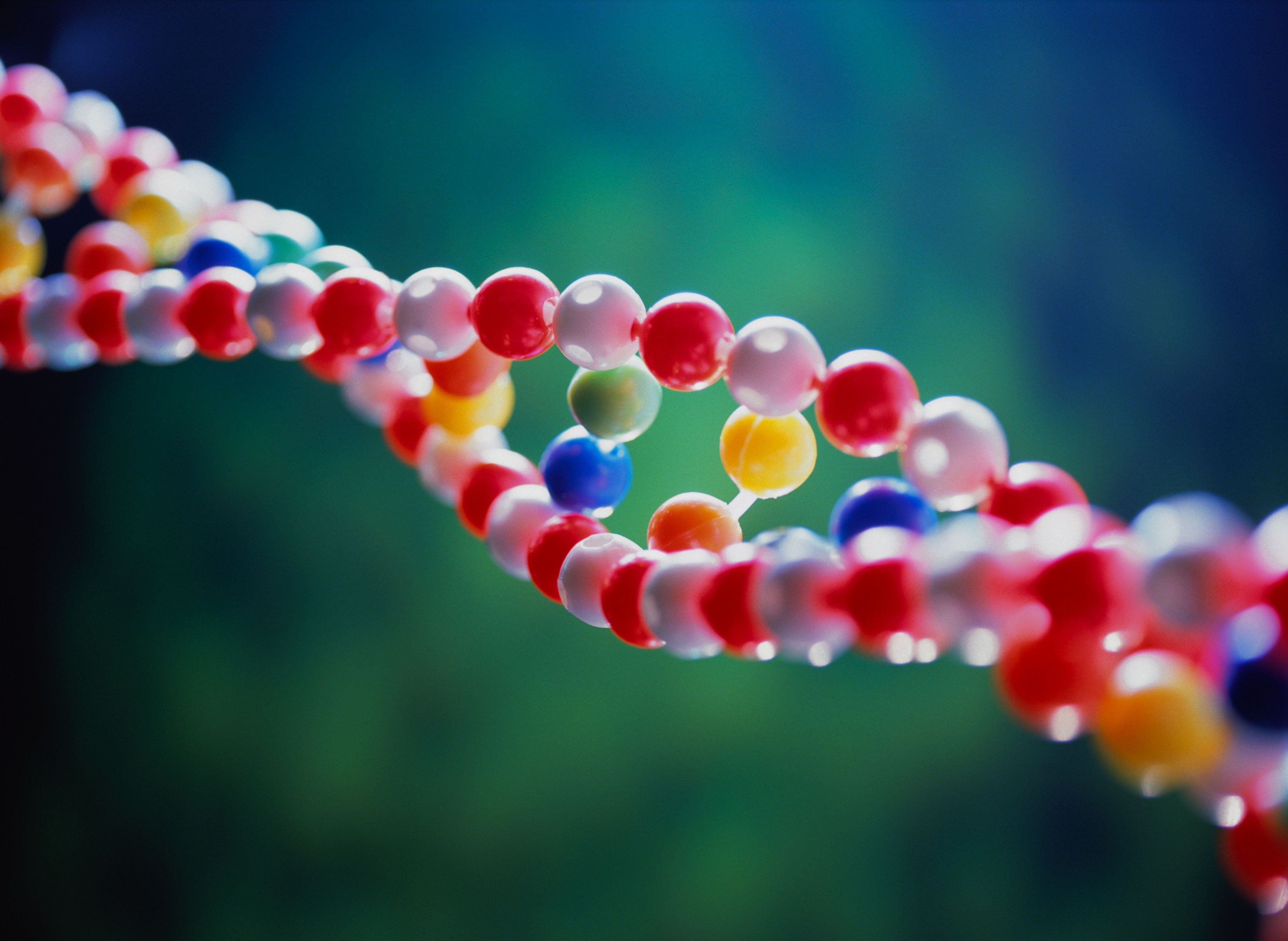
Which of the following best describes a DNA molecule?
a)
double helix
b)
contains ribose
c)
made of amino acids
d)
contains Uracil
2.
Which of the following units are repeatedly joined together to form a strand of DNA?
a)
amino acids
b)
nucleotides
c)
fatty acids
d)
polysaccharides
3.
Guanine bonds with ______________.
a)
Adenine
b)
Guanine
c)
Cytosine
d)
Thymine
4.
In a molecule of double-stranded DNA, the amount of Adenine present is always equal to the amount of
a)
cytosine
b)
guanine
c)
thymine
d)
uracil
5.
Why is DNA important?
a)
it is very small and very complicated
b)
it's in everything
c)
it serves as the blueprint for traits of all living things
d)
because we eat it every day for energy
6.
What are the three components of a nucleotide?
a)
sugar, hydrogen, nitrogen base
b)
sugar, oxygen, nitrogen base
c)
sugar, phosphate, nitrogen base
d)
sugar, phosphate, protein
7.
DNA molecule segment is : TTACGCAAG
The mutated DNA segment is TTCGCAAG. This is an example of ___ mutation.
a)
Substitution
b)
Deletion
c)
Insertion
d)
Inversion
8.
What mutation has occurred here? 
T-G-A-C-C-A
T-G-A-G-C-A
a)
Substitution
b)
Deletion
c)
Insertion
d)
Frameshift 
9.
Three nucleotide bases on a strand of mRNA are a(n) ____.
a)
mutation
b)
chromosome
c)
codon
d)
anticodon
10.

What word describes a trait that helps an organism survive in its environment?

a)

natural selection

b)

mutation

c)

camouflage

d)

adaptation

11.
What word describes the process of having the advantageous traits that helps an organism survive  and reproduce?
a)
natural selection
b)
adaptation
c)
mutation
d)
genetic engineering
12.
Why do frogs and other organism reproduce so many eggs or offspring?
a)
so that their babies can have friends to play with
b)
the more offspring the more likely the offspring will survive
c)
the more offspring the less likely offspring will survive 
d)
the more offspring the less competition
13.
Which organisms are most likely to survive?
a)
the best adapted
b)
the fastest
c)
the strongest
d)
the most domesticated (tamed)
14.
Which of the following means "genetic change over time"
a)
natural selection
b)
speciation
c)
evolution
d)
fitness
15.
The basic unit of structure and function in the human body is the....
a)
organ
b)
organ system
c)
cell
d)
tissue
16.
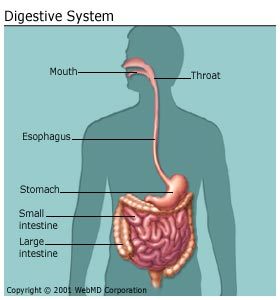
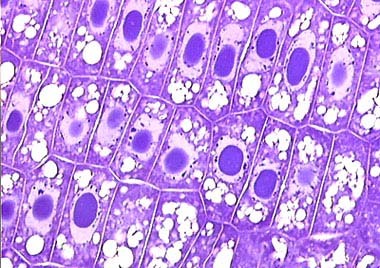
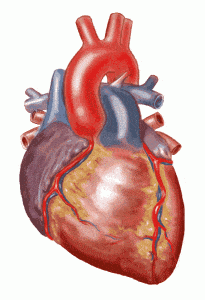
This is a example of........ 
a)
organ system
b)
cells
c)
organ
d)
tissue
17.
This is a example of ........
a)
cell
b)
tissue
c)
organ 
d)
organ system
18.
This is a example of ........
a)
cell
b)
organ system
c)
organ
d)
tissue
19.
What is the difference between a cell and a tissue?
a)
cell is basic unit of life; tissue is group of cells that work as one
b)
cell is group of tissues; tissue is basic unit of life
c)
cell is basic unit of life; tissue is groups of different cells
d)
cell is group of organs; tissue is group of different cells
20.
Which of the following is the correct order of organization in living things from most basic (simple) to most complex?
a)
a.  Organism, cell, tissue, organ, organ system
b)
a.  Organ system, organ, tissue, cell, organism
c)
a.  Cell, tissue, organ, organ system, organism
d)
a.  Cell, organ, tissue, organ, organism, organ system
21.
Multiple organisms of the same species describes a
a)
organism
b)
population
c)
community
d)
ecosystem
22.
A forest full of many kinds of trees and grasses is an example of a
a)
group
b)
organism
c)
population
d)
community
23.
which is the correct order of the levels of organization from simple to complex?
a)
organism, population, community, ecosystem
b)
ecosystem, community, population, organism
24.
Which sequence of DNA bases would pair with this partial strand
ATG TGA CAG
a)
ATG TGA CAG
b)
TAC ACT GTC
c)
GTA AGT GAC
d)
CAT TCA CTG
25.

A lion stalks a herd of antelope wading in a pond. A flock of water birds on the shore become startled by the sound of the lion’s approach and fly away with a great deal of noise. The birds’ sudden departure gives warning to the antelope, and they are also able to escape safely. What type of relationship exists between the birds and the antelope?

a)

competition

b)

mutualism

c)

commensalism

d)

parasitism

26.
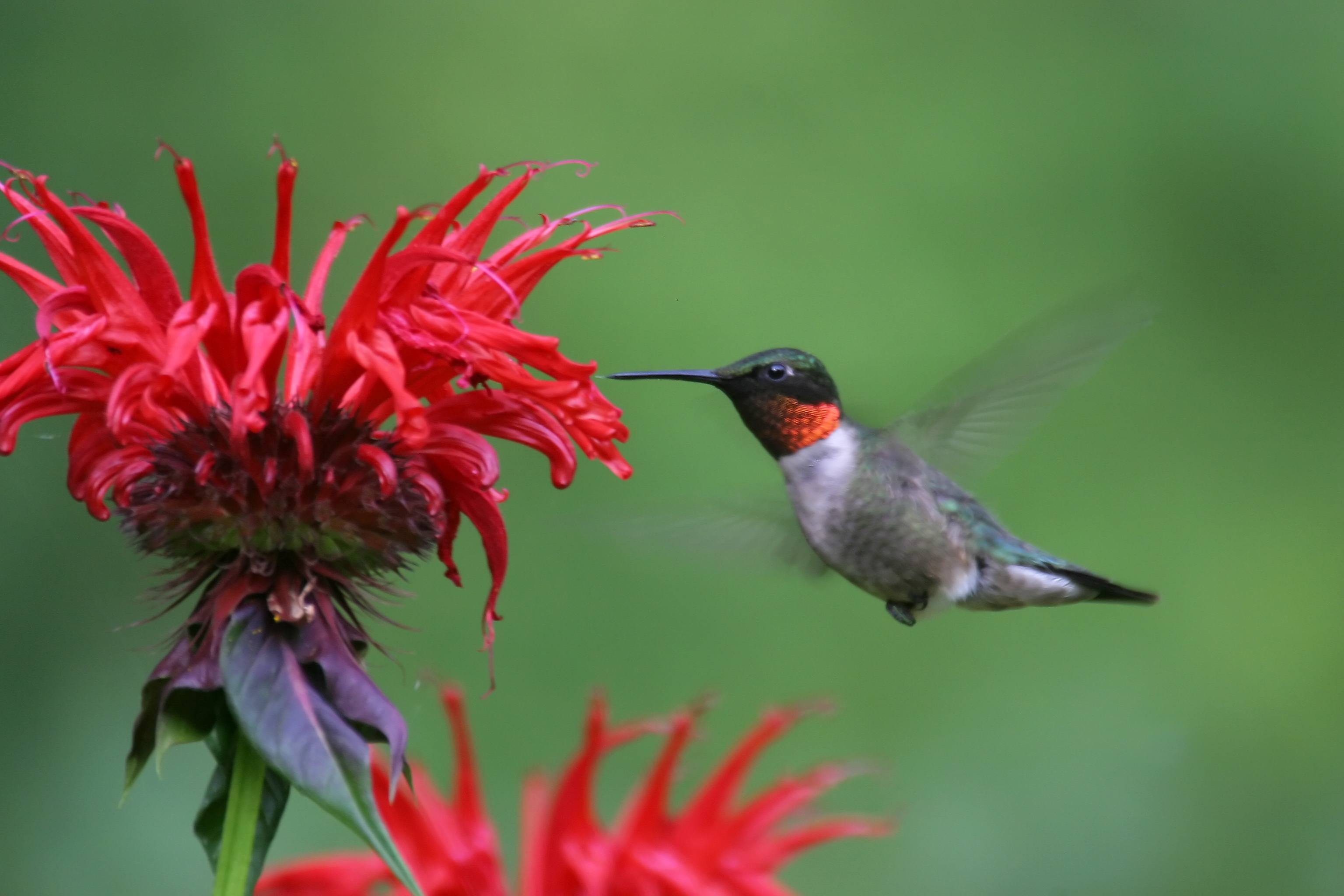
What type of symbiosis?  Hummingbirds feed on nectar from flowers.  The flowers are pollinated by hummingbirds as they move from flower to flower.
a)
commensalism
b)
mutualism
c)
parasitism
d)
predation
27.
Cells spend the majority of their lives in
a)
Interphase
b)
Mitosis
c)
Synthesis 
d)
Gap 2
28.
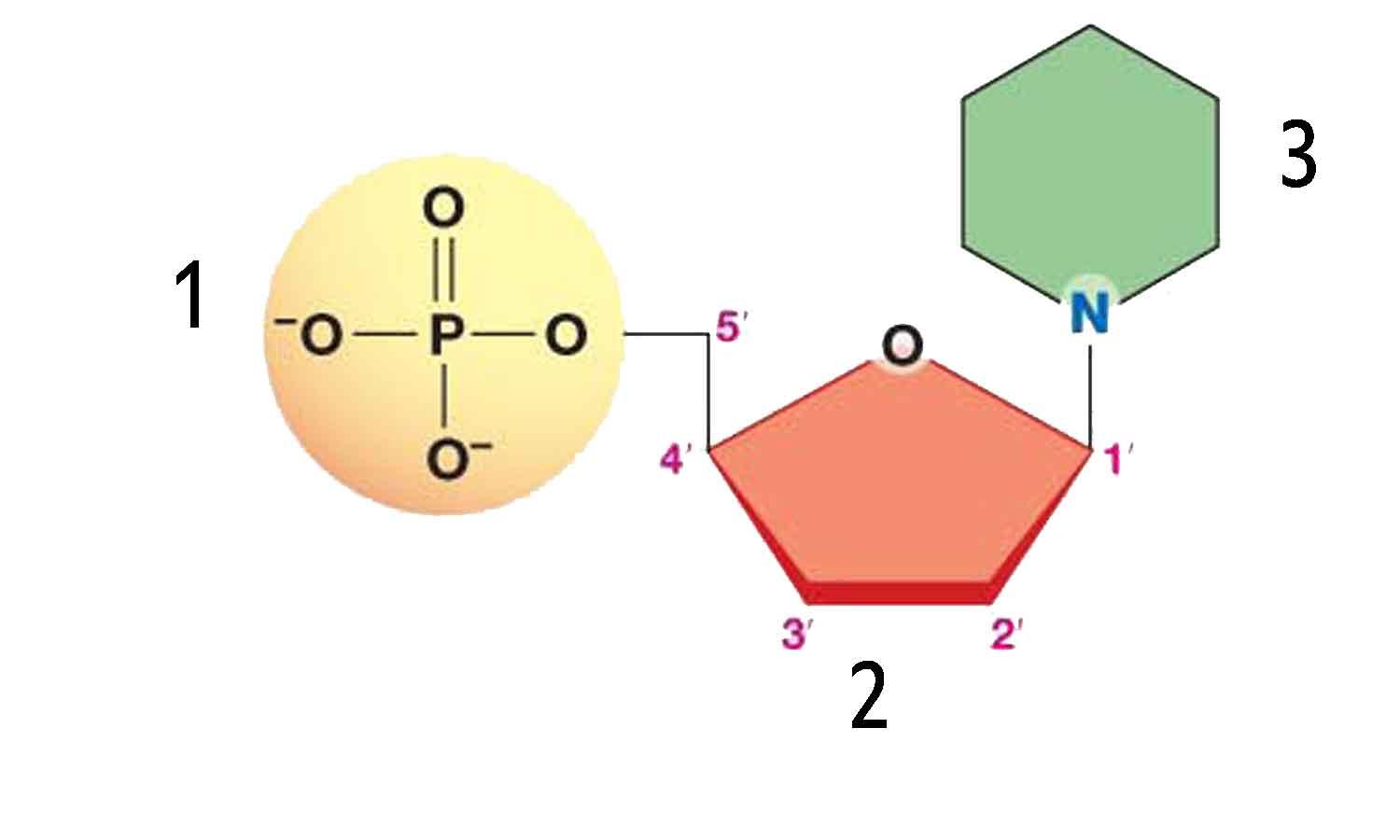
Identify the parts of the nucleotide shown:
a)
1) Ribose Sugar      2) Phosphate 
3)  Nitrogen Base
b)
1) Deoxyribose Sugar
2) Phosphate
3) Nitrogen Base
c)
1) Phosphate
2) Ribose Sugar
3) Nitrogen Base
d)
1)  Phosphate
2) Deoxyribose Sugar
3)  Nitrogen Base
29.

In metaphase of mitosis, chromosomes

a)

form and the nuclear envelope disappears.

b)

are pulled toward opposite ends of the cell.

c)

chromosomes line up along the equator of the cell

d)

chromosomes begin to decondense and the two new nuclei begin to form.

30.

In anaphase of mitosis, chromosomes

a)

form and the nuclear envelope disappears.

b)

are pulled toward opposite ends of the cell.

c)

chromosomes line up along the equator of the cell

d)

chromosomes begin to decondense and the two new nuclei begin to form.

31.

Am autotroph can:

a)

Make its own food

b)

Make its own water

c)

Make its own oxygen

d)

Make its own carbon

32.

What type of energy conversion occurs in photosynthesis?

a)

Light from the sun to chemical in glucose

b)

Chemical in glucose to chemical in ATP

33.

Which of the following equations represents the overall chemical reaction for photosynthesis?

a)

6O2+ 6H2O → C6H12O6+ 6O2

b)

C6H12O6 + 6H2O→ 6O2+ 6O2

c)

6CO2+ 6H2O→ C6H12O6+ 6O2

d)

6O2 + 6H2O→ C6H12O6 + 6CO2

34.

What is gravitropism/geotropism?

a)

The movement of a plant in response to gravity

b)

The movement of a plant in response to earthquakes

c)

The movement of bacteria in response to changes in temperature

d)

The movement of plants towards water

35.

What is phototropism?

a)

The movement of plants towards light

b)

The movement of plants away from light

c)

The movement of plants in response to infrared light

d)

The movement of plants towards water

36.

This example for

a)

Internal stimuli

b)

Thigmotropism

c)

Phototropism

d)

no answer correct

37.

What is the vascular tissue that carries water throughout a plant?

a)

phloem

b)

seedling

c)

xylem

38.
phloem is 
a)
a vascular tissue that carries water and nutrients from the roots up to the stem and leaves.
b)
a vascular tissue that carries food from leaves to the the roots.
c)
another name for leaf.
39.

Which type of movement across a cell's plasma membrane requires energy supplied by ATP?

a)

Passive Transport

b)

Simple Diffusion

c)

Active Transport

d)

Osmosis

40.

Which statement describes the process of osmosis in an animal cell?

a)

Sugar molecules move across the plasma membrane until the cell has enough energy to grow in size and divide.

b)

Water molecules move across the plasma membrane until solute concentrations are equal on both sides of the membrane.

c)

Ions move across the plasma membrane until the inside of the cell has a higher concentration of positive charges.

d)

Enzymes move across the plasma membrane until the cell has completed metabolism.

41.

Which molecule synthesized by plants is a major source of energy for cellular processes in both plants and animals?

a)

Wax

b)

Nucleic Acid

c)

Glucose

d)

Chlorophyll

42.
a)

Active transport, because energy is being used to move molecules against the concentration gradient

b)

Facilitated diffusion, because energy is being used to move molecules with the concentration gradient

c)

Osmosis, because energy is not being used to move molecules with the concentration gradient

d)

Endocytosis because energy is not being used to move molecules against the concentration gradient

43.
a)

Energy conversions and synthesis of new molecules

b)

Synthesis of new molecules and homeostasis

c)

Transport of molecules and energy conversions

d)

Homeostasis and transport of molecules

44.

The method in which water moves, for example, water entering a plant cell is...?

a)

Active Transport

b)

Respiration

c)

Osmosis

d)

Facilitated Diffusion

45.
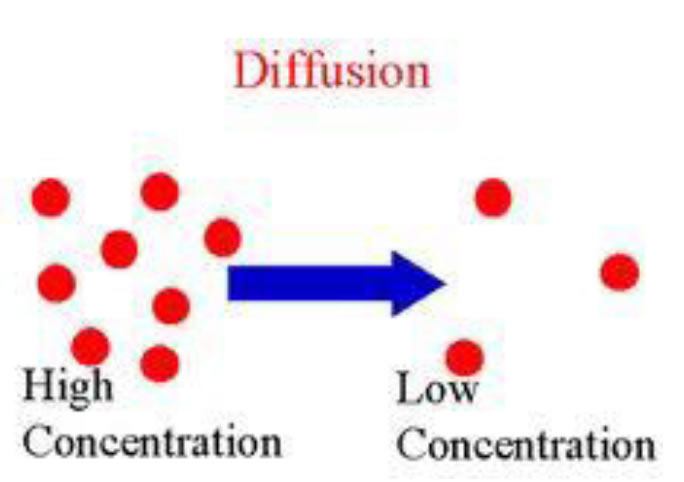
Movement of particles from high to low concentration. 
a)
Passive Transport
b)
Active Transport