
 Worksheets
Meiosis REVIEW
Total questions: 50
Worksheet time: 28mins
Duplicates DNA
exophase
interphase
Mitosis
cytokinesis
cytoplasm splits
mitosis
interphase
cytokinesis
prophase
Uncontrolled cell growth
cancer
mitosis
interphase
g1
Has two divisions
mitosis
meiosis
Ends with four genetically unique (DIFFERENT) cells
mitosis
meiosis
Type of cells that meiosis produces
sperm and egg cells
nerve and blood cells
skin and bone cells
blood cells and muscle cells
independent assortment occurs here
mitosis
meiosis
both
neither
crossing over occurs here
mitosis
meiosis
both
neither
Which of the following describes the main advantages of sexual reproduction?
requires lots of time/energy
no new gene combos can arise
genetic diversity
looks identical to the parent

Each body cell in an earthworm contains 36 chromosomes. How many chromosomes are in each of its gametes?
54
36
72
18
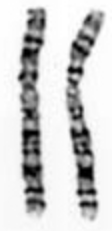
The chromosomes that pair up during meiosis, are called __________ chromosomes.
Asexual
Homologous
Homozygous
Genes


What phase is shown in the picture?
Prophase I
Prophase II
Telophase II
Anaphase I

What phase is in the picture?
Anaphase I
Anaphase II
Telophase I
Metaphase II
Which of the following is the purpose of meiosis?
growth (from zygote to adult)
maintenance (replacing blood cells)
repair (after injuries)
making gametes (egg and sperm cells)
Crossing over occurs during
Prophase I
Prophase II
Metaphase I
Anaphase II
Telophase II
Within any individual, all of their sperm or egg cells will be
the same
different
How does meiosis contribute to genetic variation?
By producing daughter cells that are genetically identical to the parent cell
By increasing the lethal mutation rate for daughter cells
By producing daughter cells that are genetically unique from the parent cell
By forming new DNA sequences that can resist environmental change
Crossing over refers to which of the following?
Sister Chromatids exchange sections of DNA
Homologous Chromosomes change position at the equator
Non-sister chromatids of homologous chromosomes exchange sections of DNA
Homologous chromosomes separate and travel to opposite ends of cells


In Metaphase II, _________ line up on equatorial plane.
homologous pairs of chromosomes
single chromosomes (made up of 2 sister chromatids)
tetrads
centrosomes
Which of the following are CORRECT observations about the differences between MITOSIS and MEIOSIS? (Check all that apply.)
Mitosis produces cells that identical to the parent cell.
Meiosis produces cells that have half the number of chromosomes as the parent cell.
All cells go through INTERPHASE as part of the cell cycle, whether it goes to mitosis or meiosis next.
In both types of cell division, the chromosomes are only duplicated once.
Only in Mitosis, do you see chromosomes pair up to form a tetrad.

What stage of meiosis is depicted?
prophase 1
anaphase 1
anaphase 2
telophase 2
Which of the following is an important part of Interphase?
Growth and DNA replication
Chromosomes line up at the equator of the cell
Sister chromatids are pulled to opposite poles of the cell
Cytoplasm divides

What phase of meiosis is this?
prophase 1
Metaphase 2
telophase 2
anaphase 1
The chromosomes that pair up during meiosis, are called __________ chromosomes.
heterozygous
asexual
homologous pairs
genes



