
 Worksheets
Asexual/ sexual reproduction
Total questions: 50
Worksheet time: 2hrs 57mins
How many parents are required for asexual reproduction?
none
1
2
4
How do bacteria reproduce?
mitosis
budding
binary fission
regeneration
What is one advantage of asexual reproduction?
offspring are different from parents
diseases are not passed from parent to offspring
it takes a longer time
it takes less time
How many parents are involved with sexual reproduction?
none
1
2
4
What is an advantage of sexual reproduction?
it is a faster process
negative traits of parents may not always be passed to offspring
it takes more energy and time
finding a mate is necessary

Which of the following is not a benefit of asexual reproduction?
Offspring will be successful in an unchanged environment.
Good at adapting to changing environments.
Only requires one parent to produce offspring.
Can reproduce rapidly.
An organism that has been reproduced by asexual means receives ______________ of its chromosomes from its one parent.
3
25%
50%
100%
In asexual reproduction, all of the offspring are:
Physically Identical
Genetically Identical
Physically and Genetically Identical
Not Identical
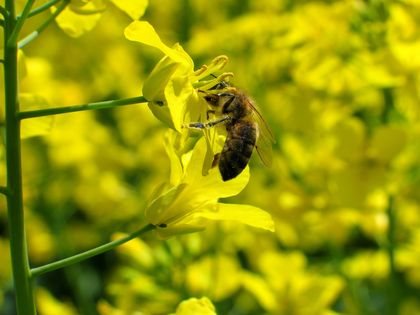
What is the big advantage of sexual reproduction?
Can quickly grow the population
Offspring are guaranteed to be successful in an unchanged environment.
Only one parent is required to reproduce.
Can adapt to changing environments
What is the type of reproduction that only requires one parent?
Asexual
Sexual
Which type of reproduction results in diversity because the offspring are a combination of the parents and genetically different?
Asexual
Sexual

What defines a living organism?
Something that can adapt.
Something that is composed of cells.
Something with a lifecycle.
Something that grows and reproduces.
All of the above.

Which reproduction produces a more diverse offspring?
Mitosis
Asexual reproduction
Sexual Reproduction
Binary Fission

Hydra produce offspring by growing the new individual on the body of the parent. This is an example of...
budding.
fission.
regeneration.
tubers.

When a sea star breaks into fragments, each fragment develops into a new individual. This is an example of...
fragmentation.
parthenogenesis.
binary fission.
vegetative propagation.
Which statement describes why genetic variation is beneficial to populations of organisms?
individuals look different from one another
only one parent is needed to produce offspring
populations of the organism increase more rapidly
species can better survive environmental changes

Amoeba use mitosis and produce two offspring that are identical to the parent. This is an example of...
budding.
binary fission.
regeneration.
parthenogenesis.
Sexual reproduction requires ______ parent(s) and asexual reproduction requires ______ parent(s).
one, one
two, two
two, one
one, two

Strawberry plants produce offspring by sending out specialized stems. This is an example of...
runners.
tubers.
fragmentation.
budding.

Some species such as the Whiptail Lizard are able to reproduce with only females that produce diploid eggs that develop into new individuals without male sperm. This is an example of...
budding.
binary fission.
plantlets.
parthenogenesis.
How much genetic material is provided by the parents in sexual reproduction?
0% from each
25% from each
50% from each
100% from each
Which type of reproduction requires 2 parent cells combining to create a new cell (offspring)?
sexual
asexual
Which of the following is NOT a type of ASEXUAL reproduction?
Budding
Regeneration
Vegetative Propogation
Cloning
A flower being pollinated

Identify the type of asexual reproduction shown in the image.
vegetative propogation
cloning
binary fision
budding

Identify the type of asexual reproduction shown in the image.
vegetative propogation
cloning
binary fision
budding

Identify which type of reproduction the organism shown performs.
asexual
sexual

Identify which type of reproduction the organism shown performs.
asexual
sexual

Identify which type of reproduction the organism shown performs.
asexual
sexual

Hydras use a type of asexual reproduction in which they grow genetically identical offspring on the side of their body. This is an example of what type of asexual reproduction?
vegetative propogation
cloning
binary fision
budding
Which statement describes why genetic variation is beneficial to populations of organisms?
individuals look different from one another
only one parent is needed to produce offspring
populations of the organism increase more rapidly
species can better survive environmental changes
TRUE or FALSE: There is only one type of asexual reproduction
True
False


A lion cub resembles its parents because it inherits (receives)....
a mixture of genetic material from both parents
two exact copies of genetic material from both parents
genetic material found in only one of the parents

Which statement about the organisms represented in the picture is correct?
Only the flowering plant, green heron (bird), and aquatic plant carry out photosynthesis.
Only the frog and green heron maintain homeostasis
All of the organisms pass on genetic material through reproduction.
What is an advantage of Asexual Reproduction?
Asexual reproduction is a slower type of reproduction
Asexual reproduction can save energy and happen faster
Asexual reproduction increases the risk of extinction

A spider plant begins to sprout small identical buds along its older leaves. These identical buds will soon be able to be split off and become their own plant. What type of reproduction is this?
Sexual
Asexual

A bacteria cell finds a good place to thrive. So, it makes an identical copy of itself through binary fission. What type of reproduction is this?
Sexual
Asexual

A male horse and female horse mate and have a colt. The colt shares genes from both parents so it is not an identical copy. What type of reproduction is this?
Sexual
Asexual

Coral reefs grow larger by budding small identical copies of themselves over time. What type of reproduction is this?
Sexual
Asexual

A female frog lays her eggs, which are a mix of the male and female frog genes. Which type of reproduction created those fertilized egg cells?
Sexual
Asexual

A bee carries the male gametes of a plant over to a flower and pollinates it. Later, a seed is produced that has a mixture of both the male and female plants. What type of reproduction is this?
Sexual
Asexual

Succulents are a plant that can be propagated, meaning you can cut off a leaf and a new plant will grow from it. These new plants are identical copies of the parent plant. What type of reproduction is this?
Sexual
Asexual

The emperor penguin chicks are born from eggs. These eggs are fertilized when a male and female emperor penguin mate. What type of reproduction is this?
Sexual
Asexual

A hydra is a freshwater cousin of the jellyfish. A hydra can produce small identical polyps off of the parent organism. These small polyps can break off and become new organisms. What type of reproduction is this?
Sexual
Asexual

Most fish eggs are laid by the female fish and and attached to rocks. The male fish will come by and fertilize the eggs, which will produce offspring with both parent genes. What type of reproduction is this?
Sexual
Asexual

