
NEW
Font size
 Worksheets
Evolution Review
Total questions: 53
Worksheet time: 57mins
A trait or change in lifestyle that helps a plant or animal survive in its environment
adaptation
evolution
homologous
vestigial
Shows how different groups of organisms have changed over time.
fossil record
homologous structures
embryology
When HUMANS select or choose a plant or animal for breeding based on a desired trait
natural selection
artificial selection
Parts of the body that are similar to other species because they have a common ancestor
fossil record
homologous structures
embryology
Body part you have that use to have a purpose but now has little or no function
vestigial organ
embryology
homologous structures
Organisms with the best suited adaptations for their environment are more likely to survive and reproduce than organisms that are not very well adapted
natural selection
artificial selection
creationism
The more offspring an organism has the greater the odds that a few of them will survive, reproduce and pass on those traits
overproduction
variation
selection
adaptation
Organisms from the same species can vary in…
1) physical appearance
2) genetic makeup
overproduction
variation
selection
adaptation
Species not closely related evolve similar traits due to their similar environment
Convergent evolution
divergent evolution
parallel evolution
Species from the same ancestor accumulate differences over time
convergent evolution
divergent evolution
parallel evolution
This is when species change over time and separated species genetically drift from one another
homologous structures
descent with modification
mutation
fossil record gaps
This person gets almost all of the credit for developing the theory of evolution:
Charles Darwin
Alfred Russel Wallace
Neil Shubin
Jennifer Doudna
This is NOT a piece of evidence that serves to support evolution:
common embryology
homologous genes and structures
vestigial structures
variety of traits
Which of these is a vestigial structure?
flippers on a dolphin
hair on a human
legs on a horse
hip bones in a whale


Which of the following can be determined by observing the embryos shown in the diagram

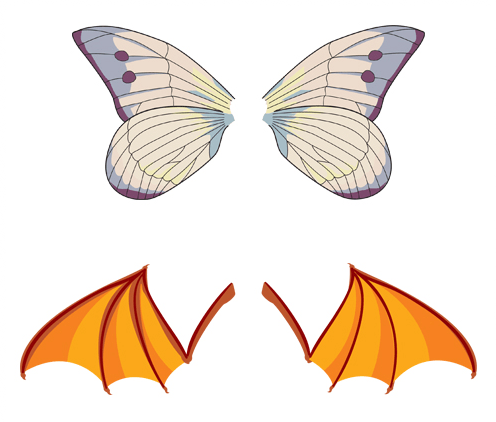
What is this an example of?
Homologous structure
Analogous structure
Vestigial organs
Functional adaption
Genetic drift is change in the allele frequency of a population due to...
random chance
natural selection
non-random mating (sexual selection)
artificial selection
All of the genetic information found in a population
population
genetic drift
evolution
gene pool
Genetic Diversity is increased through this process.
Gene Flow
Genetic Drift

Select the best answer based on the image
Gene flow
Genetic drift
If a new trait DOES help an organism survive, what may happen to it?
It dies and its DNA is not passed on
It survives and its DNA is passed on
It changes its traits to adapt and survive
What happened to the peppered moth population after the Industrial Revolution?
There were MORE LIGHT moths because the bird couldn't see them on the DARK TREES
There were MORE DARK moths because the bird couldn't see them on the DARK TREES
There were MORE DARK moths because the bird couldn't see them on the LIGHT TREES
Which of the following describes natural selection?
it acts on genetic material directly
it acts on existing physical traits
it forms new traits
it forms new genetic material
What is the term for a feature that allows an organism to survive better in its environment?
variation
adaptation
homologous structure
vestigial structure


What type of evidence is represented in the picture above:
Fossils
Vestigial Structures
DNA
Homologous Structures

What type of evidence is shown in the image above?
Fossils
Vestigial structures
Homologous Structures
DNA


What is genetic drift?
the changes in allele frequencies (genes) ,in a population, happening due to random events/circumstances.
It is an example of primary succession
Genetic drift are different organisms in a population due to inherited traits from their parents
It is part of symbiotic relationships such as mutualism, commensalism, parasitism
Mutations can benefit humans because they can:
Cause illness
Make an organism more suited to live in its environment.
Make organisms live shorter lives
Cause organisms to grow extra limbs.
The formation of new species
Speciation
Evolution
Natural selection
Mutations


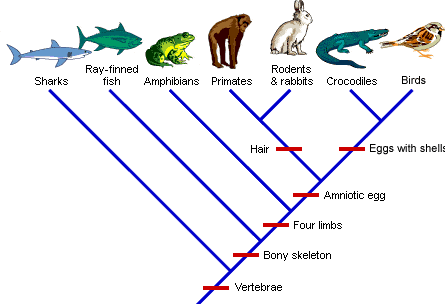
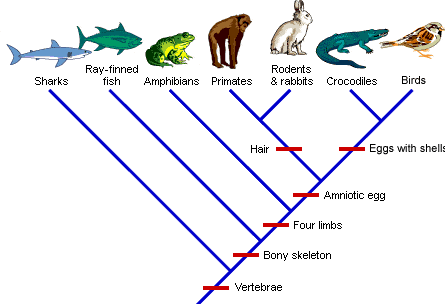
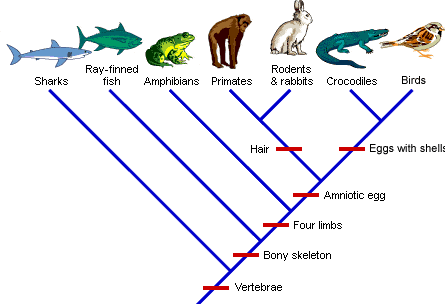

The three species pictured do not share a common ancestor, yet have evolved to have a similar anatomy and life style. This is an example of ?
Homologous Structures
Divergent Evolution
Vestigial Organs
Convergent Evolution

