
 Worksheets
Evolution
Total questions: 159
Worksheet time: 2hrs 16mins
Which of the following are the result of artificial selection
dog breeds
sharp canine teeth of wolves
the wide variety of apples at the store
bird's mating calls
Places on a phylogenetic tree where organisms share a common ancestor are called...
Nodes
Branches
Taxa
Species
The field of biology that classifies organisms is called...
Taxonomy
Phylogeny
Paleontology
Embryology

What is a fossil
a rock or mineral
a living organism
a DNA specimen
the preserved remains of a once living organism
Cladogram
the branch of biology that studies the relationship between organisms in order to classify them into related groups based on shared characteristics
a specific type of phylogenetic tree in which all evolutionary relationships are linked back to a common ancestor shared by all species in the tree
a real or theoretical species from which two or more recent species evolved
None of these are correct

Two organisms that are closely related would have
very similar DNA sequences
identical DNA sequences
very few DNA sequences
completely different DNA sequence

The diagram shows fossils in different rock layers. Which of these statements about the age of these fossils is most likely correct?
Fossils A and C are the same age
Fossil B is older than fossil C
Fossils A is older than fossil B
Fossil D is older than fossil C
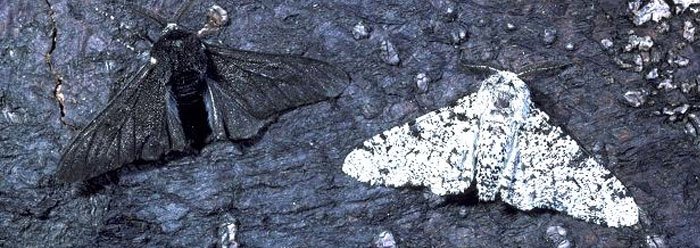

Some organisms that share a common ancestor have features that have different functions, but similar structures. These are known as
vestigial structures
unknown structures
homologous structures
fossilized structures

At which stage of scientific thinking are scientists most likely to consider the data and conclusions of other scientists to propose new experiments?
observing
testing hypotheses
analyzing data
forming hypotheses
Which of the following is NOT a domain of life?
Prokarya
Eukarya
Eubacteria
Archaebacteria

This scientist believed that organisms changed over time from simple to complex, passing acquired traits to offspring.
Darwin
Cuvier
Wallace
Lamark
Phylogenetic trees show...
Homologous structures through divergent evolution
Homologous structures through convergent evolution
Analogous structures through divergent evolution
Analogous structures through convergent evolution
unborn or unhatched animal with a backbone
invertebrate embryo
vertebrate embryo

The illustration below shows the morphological change of two species. Which statement explains why species 1 and species 2 are different?
An individual changed itself to suit the environment
Natural selection can cause gradual speciation changes
Interbreeding of species 2 results in no genetic mutations
Extinction of ancestor species occurs as a result of interbreeding
Evolution is considered a Theory because
is has not been proven yet
scientists are still not sure if it is true
there is a lot of evidence, BUT scientists are not 100% certain
it is supported by evidence AND the scientific community has accepted it

Natural selection and Artificial selection refer to the same process.
True
False
a technique that uses radioactive decay to determine the age of objects, such as rocks, fossils, etc.
vestigial structure
sedimentary rock
radiometric dating
none of these are correct
Gene
a sequence of DNA that codes for a protein or nucleic acid, like RNA
a tree like diagram that shows the evolutionary relationship of two or more species
a real or theoretical species from which two or more species evolved
none of these are correct

According to maximum parsimony...
The simpler your phylogenetic tree, the better
Phylogenetic trees should have many branches
All organisms in a phylogenetic tree must descend from a common ancestor
Phylogenetic trees must show all traits
The groups in a phylogenetic tree are called...
Taxa
Nodes
Roots
Branches

Who created a classification system based on similarities between organisms?
Linnaeus
LaMarck
Darwin
Wallace
Which of the following statements about endosymbiotic theory is FALSE?
Two (2) prokaryotes coevolved the form the first eukaryote
One prokaryote absorbed another prokaryote
Explains the evolution of the mitochondria and chloroplast
Prokaryotes evolved from the first eukaryotes
The remains, imprints, or traces of living things from a previous geological age
sedimentary rock
fossils
radioactive decay
radioactive dating
This scientist believed that organisms changed over time from simple to complex, due to natural selection
Wallace
Cuvier
Lyell
Lamark
Phylogeny is...
The study of classification of different species
The study of the evolutionary history of a species
The study of prehistoric life
The study of the distribution of different species
Phylogenetic trees show...
Evolutionary relationships between different species
How one species has evolved through time
Which species has evolved the most
Which species have evolved from other species
Adaptation refers to
a beneficial trait
how species change
being able to adapt
differences between individuals

In which way are these embryos similar?
They are genetically identical
They contain the same number of cells
They are beginning to form a head and backbone
They will mature at the same rate
The purpose of cladograms is to show
-CHOOSE BEST ANSWER-
how many traits a species has
the traits that two species share
how closely related species are
which traits are considered adaptations
Selective breeding and Artificial selection refer to the SAME process.
True
False
Humans breeding certain animals with desirable traits is called
adaptation
fitness
artificial selection
natural selection
Species evolve because
if they didn't, they would go extinct
some individuals have more successful traits than others
they need to
some individuals are able to change their traits as needed

The picture shows the change in the fur of an arctic hare from summer to winter. Which of the following statements best describes how this change helps arctic hares?
It lowers their body temperature
It protects their eyes from sunlight
It helps them move on slippery ice
It makes them less visible to predators
Common ancestor
A sequence of DNA that codes for proteins
A collection of 20 molecules that link together to form proteins
large molecules that are encoded by DNA
a real or theoretical species from which two or more recent species evolved

Which two species are more closely related
C & F
B & F
D & F
G & F

How do fossils demonstrate common ancestry?
By evaluating their position in the fossil record
By evaluating their functions
By being their purpose in being
By possessing similar anatomical structures
This scientist believed that organisms changed over time from simple to complex, due to natural selection
Darwin
Cuvier
Lyell
Lamark
Amino acids
a sequence of DNA that codes for a protein or nucleic acid, like RNA
a collection of 20 molecules that link together to form proteins
large molecules that are encoded by RNA and perform plant cell functions
None of the above are correct

What word do we use to describe the process of biological change in organisms over time?
Fossilization
Evolution
Mutation
Amorphism

A fossil of an extinct dinosaur is found and the anatomy of the fossil is similar to that of modern birds. What could this mean?
This is purely by chance and isn't significant
The extinct dinosaur and modern bird share a common ancestor
All dinosaurs evolved into birds and that's why there aren't any dinosaurs alive today
Dinosaurs choose to fly, and evolved into birds to escape predators and to capture food

What do the similarities of these structures suggest?
that these species share a common ancestor
that these species grow at different rates
that these species evolved slowly
that these species lived a long time
Taxonomy
the branch of biology that studies the relationship between organisms in order to classify them into related groups based on shared characteristics
a specific type of phylogenetic tree in which all evolutionary relationships are linked back to a common ancestor shared by all species in the tree
a hypothesis presented by Charles Darwin that states that all life on Earth evolved from a single common ancestor billions of years ago
The study of taxes related to economics
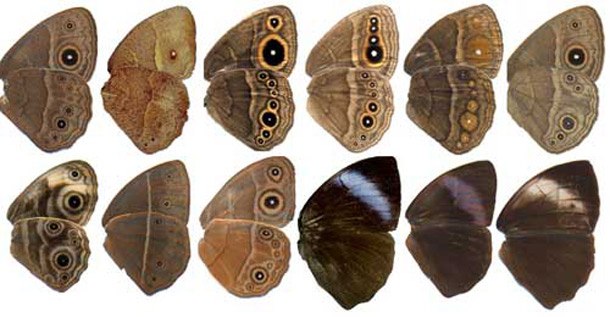
a group of organisms that share a common ancetor
clade
metamorphosis
physiology
Which level of biological classification is the LEAST specific?
Domain
Kingdom
Genus
Family
tetrapod
a three legged animal
a two legged animal
a four legged animal
none of these
Proteins
a tree like diagram that shows the relationships between species
a hypothesis presented by charles darwin
species from which two or more species recently evolved from
large molecules that are encoded by DNA and perform most functions for the cell

This is an example of which type of symbiosis?

According to the diagram, which bird has the most similar DNA to a large tree finch?
small tree finch
medium tree finch
large ground finch
green warbler finch
Which level of biological classification is the MOST specific?
Phylum
Kingdom
Order
Species
This scientist believed that changes in the fossil record were due to the fact that catastrophic events were wiping out species from the beginning of time.
Wallace
Cuvier
Lyell
Lamark


The fossilized jawbones in the diagram above show the changes in organisms over time. According to the diagrams, which of the following is a likely conclusion?
These fossils provide evidence that evolution occurs over long periods of time
These fossils belonged to organisms that were large and slow moving
These fossils lack similar characteristics in their structural design
These fossils provide evidence that evolution occurs rapidly.
The factors that affect an organism's fitness and causes species to evolve are called
adaptation
artificial selection
fitness
selection pressures
a field of study that compares and contrasts the body structures of organisms to gain a better understanding of how life on Earth evolved
comparative anatomy
vertebrate embryos
radiometric dating
radioactive decay
In binomial nomenclatures, in which order are the names listed?
Genus, Species
Species, Genus
Phylum, Order
Order, Phylum
If an organism is unsuccessful in finding mates, but has a very long life, their fitness is
unaffected
high
low
zero
Two species who are close on a cladogram means that they...
Live in the same environment
Are less related than species further apart
Share a recent common ancestor
Are actually the same species
relationship between organism in which one organism benefits and the other is neither harmed or benefited
parasitism
mutualism
commensalism
symbolism
A trait that comes from an organism's behavior
inherited trait
acquired trait
descent with modification
modern synthesis
The stable ecosystem that develops due to succession is called ____.
niche
habitat
forest
climax community
Before plants can reuse many organic materials, the materials must be broken down by _______.
parasites
viruses
decomposers
scavengers
The variety of life across the biosphere is called
biodiversity
genomic
homeostasis
ecology
How is natural selection in the evolution of long necks in giraffes best explained?
Long-necked giraffes mated with other long-necked giraffes.
Giraffes with longer necks survived because they were better suited to the environment
Giraffe necks grew longer because of the bone structure of the animals
Shorter-necked giraffes were killed by long-necked giraffes
relationship between organisms in which one organism benefits at the expense of the other
mutualism
parasitism
commensalism
symbolism
Natural selection means
Only organisms with the best traits for their environment survive
Only organisms with the best traits for their environment survive and reproduce
Only fast organisms survive and reproduce
Organisms' traits change over time due to predators
Finch species in the Galapagos Islands have a wide variety of beak shapes. The theory of natural selection suggests that these differences arose because:
changes occurred over a short period of time
finches with certain beak shapes survived in greater numbers
conscious decisions allowed certain finches to survive
individual finches adapted to their environment
What is a fossil?
The remains/traces of a once living organisms
Something that is old/ancient
A bone of a living organism
A physical environment with different species that interact with one another and with nonliving things is called a(n)
biosphere
ecosystem
habitat
adaptation
A random change in a small population's allele frequency is known as
Gene pool
Genetic drift
Variation
Fitness
cougars are predators that often eat weakened or diseased animals. this is a description of the ___ of cougars.
habitat
community
niche
none of these
A theory is like an educated guess that could be right or wrong.
true
false
study of how living things relate to each other and their environment
evolution
ecology
parasitology
ethology
Carbon dioxide in the atmosphere enters the biotic parts of the biosphere through _____.
burning of forests
photosynthesis
combustion of fossil fuels
all of these
During an experiment, which factors are observed and measured?
dependent variables
independent variables
constants
hypotheses
What animals did Charles Darwin Study?
Cats.
Cows.
Dogs.
Finches.
All of the different organisms interacting in a pond make up
a community
the water cycle
a population
the habitat
The type of selection in which individuals at one end of a curve have the highest fitness is called?
Directional selection
Disruptive selection
Diversifying selection
Founder effect
Which of the following examples could be considered an “invasive species?”
An oxpecker eats the bugs and parasites off a zebra.
Clownfish live amid the tentacles of the anemones which protects them from predators.
A hearty kudzu vine overtakes competing plants, leaving only itself.
Mites will attach to wasps, flies or beetles for transportation.
An uncut lawn eventually becomes a meadow and then a forest. This process is an example of ______.
aphotic zones
primary succession
secondary succession
estuary
The remains or impressions of organisms that lived in the past
common descent
acquired trait
fossils
natural selection
The study and manipulation of DNA on a molecular level is known as
biochemistry
genomes
molecular genetics
evolution
The range of all conditions in which a species lives and how it gets what it needs to survive and reproduce.
Theory stating the evolution involves changes in a population's gene pool over time
descent with modification
modern synthesis
common descent
genetics
Joaquin recorded in his field journal that he had observed 18 blue birds feeding outside his classroom window. This is an example of what type of observation?
hypothetical
theoretical
quantitative
qualitative
What are homologous structures?
Structures that look similar
Structures that have the same function
Structures that are not used
Old embryos
How have computer models expanded biological research?
they help scientists design better experiments
they simulate complex biological systems that cannot be studied directly
they give scientists the ability to observe molecules directly
they allow the use of human experimental subjects
Organisms rely on both negative feedback processes and behavior to maintain
homeostasis
adaptations
ecosystems
evolution
Parasitism, mutualism, and commensalism are examples of _______.
food chains
food webs
symbiosis
trophic levels
The various parts of Earth's biosphere are connected and
similar
nonliving
diverse
aquatic
Evolution is a long process of change within an entire population of species over many generations.
true
false
Carrying Capacity is defined as...
The variation of species within an ecosystem.
A living community of interacting organisms & their habitat.
The number of organisms an ecosystem can sustain.
All of the above.
simple model for showing how matter and energy move through an ecosystem
food web
trophic levels
food chain
habitat
network of interconnected food chains
ecosystem
food web
trophic levels
biological community
A single organism can evolve on its own.
true
false
In a population of lizards, the smallest and largest lizards are more easily prey upon than middle-size lizards. What kind of natural selection is most likely to occur in this situation?
Genetic drift
Stabilizing selection
Directional selection
Diversifying selection
The changes in a population over time
evolution
common descent
gene pool
acquired trait
place where an organism spends its life
niche
habitiat
biolgical community
ecosystem
The process of new species arising in response to geographic isolation is known as...
Sympatric speciation
Locality speciation
Behavioral speciation
Allopatric speciation
What is embryology?
The study of the early developmental stages of different organisms
The study of DNA evidence
Comparing anatomy structures and functions of different organisms
The study of fossils
DNA sequences found in two different species are 95% the same, suggesting these species...
Are evolving into the same species
contain identical proteins
May have similar evolutionary histories/a common ancestor
Have the same number of mutations
An ecologist who studies how several species in an area interact with one another and with the abiotic parts of the environment is interested in the biological organization level called a(n) _____.
organism
population
community
ecosystem
The genes found within a population
fossil
mutation
modern synthesis
gene pool
change in species over time is
Natural selection
adaptation
Evolution
Genetic Drift
Which statement about fossils could be used as evidence that evolution by natural selection has been in effect for millions of years?
Fossils fond in higher layers of rock are older than those found in lower layers
Fossils found in lower layers of rock are more complex than those found in higher layers.
Fossils of current species have been throughout rock layers that are billions of years old
Fossils of species that no longer exist but are ancestors of current species have been found in rock layers.
obtains energy and nutrients from autotrophs
chemotroph
heterotroph
anerobe
parasite
breaks down dead organisms
autotroph
scavenger
decomposer
parasite
What are two ways scientists can describe the quality of measurements?
accuracy and precision
quality and quantity
observation and experiment
hypothesis and theory
Individuals undergo evolution.
True
False
To change genetically over generations to become more suited to the environment
modern synthesis
acquired trait
descent with modification
adapt
Both the alga and the fungus are benefited from their relationship in a lichen. This relationship is one of ______.
coomensalism
mutualism
parasitism
symbolism
Similar organisms that can reproduce by interbreeding belong to the same
ecosystem
environment
habitat
species
Nitrogen is released to the abiotic parts of the of the biosphere from the processes of death and ____.
decay by bacteria
infiltration of the groundwater
runoff
lightning in the storm and clouds
Individuals with survival traits best suited to their environment are more likely than others to reproduce and pass their genes on to the next generation
acquired trait
common descent
artificial selection
natural selection
A lizard species mostly eats fruit from one particular type of tree. If a virus kills most of these trees, which individual lizards will most likely survive?
Lizards that can find other types of food
Lizards that can climb higher in the fruit trees
Lizards that have darker coloration
Lizards that produce more offspring
manufactures food using energy from the sun or from chemical compounds
autotroph
heterotroph
scavenger
decomposer
What word describes a trait that helps an organism survive in its environment?
natural selection
mutation
camouflage
adaptation
Water is lost to the abiotic parts of the biosphere from the biotic parts by _____.
precipitation
photosynthesis
transpiration
infiltration
The wings of the bat and the fore-limb of the dog are said to be homologous structures. This indicates that
They have the same function
They are structures which are similar due to common ancestry
Bats evolved from a lineage of dogs
They limb bones of each are anatomically identical
relationship between organisms in which both organisms benefit
parasitism
commensalism
symbolism
mutualism
What is the name given for genetic changes in living things over time?
adaptation
homeostasis
evolution
negative feedback
More recent species of organisms are changed descendants of earlier species
descent with modification
natural selection
biological evolution
fossil
Which of the following is a source of variation within a species?
Mutations
Cloning
Selective breeding
Natural Selection
What does survival of the fittest mean?
Individuals that are physical strong will survive
Individuals with favorable traits will survive and reproduce
how things change over time
Adapt to the environment
Which phrase best describes scientific theories?
explain few observations
serve as speculations
are never proven
cannot be replaced
Scientists use observations and data to form and test
constants
hypotheses
theories
conclusions
step in the passage of energy and matter through an ecosystem
food chain
trophic level
habitat
niche

