
Font size
 Worksheets
Unit 3 Exam Review
Total questions: 48
Worksheet time: 31mins
Which best describes a solid?
a form of matter w/ a definite shape and definite volume
a form of matter w/ a indefinite shape and definite volume
a form of matter w/ a indefinite shape and indefinite volume
Which best describes a liquid?
a form of matter w/ a definite shape and definite volume
a form of matter w/ a indefinite shape and definite volume
a form of matter w/ a indefinite shape and indefinite volume
Which best describes a gas?
a form of matter w/ a definite shape and definite volume
a form of matter w/ a indefinite shape and definite volume
a form of matter w/ a indefinite shape and indefinite volume
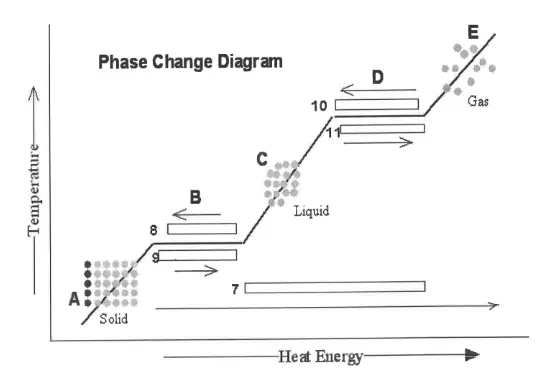
What is it called when a solid turns into a liquid
Melting
Freezing
Evaporation
Condensation
Sublimation
What is it called when a liquid turns into a solid
Melting
Freezing
Evaporation
Condensation
Sublimation
What is it called when a liquid turns into a gas
Evaporation
Condensation
Sublimation
Deposition
What is it called when a gas turns into a liquid?
Evaporation
Condensation
Sublimation
Deposition
What is it called when a gas turns into a solid?
Evaporation
Condensation
Sublimation
Deposition
What is it called when a solid turns into a gas?
Evaporation
Condensation
Sublimation
Deposition
Element
Compound
Mixture
Which description best describes a homogeneous mixture?
Molecules are mixed up in an even distribution
Molecules are not mixed up in an even distribution
A combination of two or more pure substances that are not chemically combined.
Pure substances that cannot be separated into simpler substances by physical or chemical means.
Which two of the following can filter light?
Solution
Colloid
Suspension
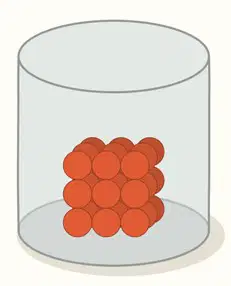
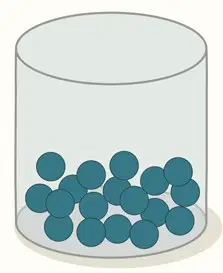
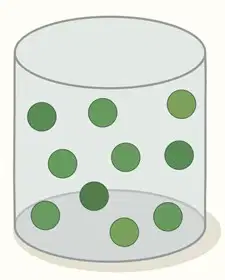
Which image best represents the particles in a gas?
.
..
. .
Which image best represents the particles in a solid?
.
..
. .
Synthesis
Decomposition
Single Replacement
Double Replacement
Combustion
Synthesis
Decomposition
Single Replacement
Double Replacement
Combustion
Synthesis
Decomposition
Single Replacement
Double Replacement
Combustion
Synthesis
Decomposition
Single Replacement
Double Replacement
Combustions
Synthesis
Decomposition
Single Replacement
Double Replacement
Combustion
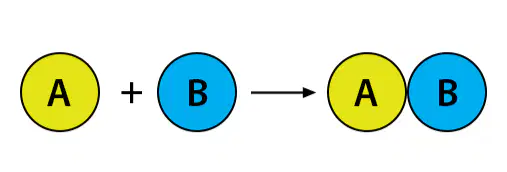
Which type of chemical reaction does this show?
Synthesis
Decomposition
Single Replacement
Double Replacement
Combustion
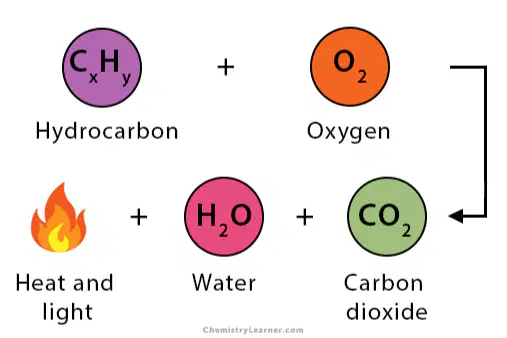
Which type of chemical reaction does this show?
Synthesis
Decomposition
Single Replacement
Double Replacement
Combustion

Which type of chemical reaction does this show?
Synthesis
Decomposition
Single Replacement
Double Replacement
Combustion
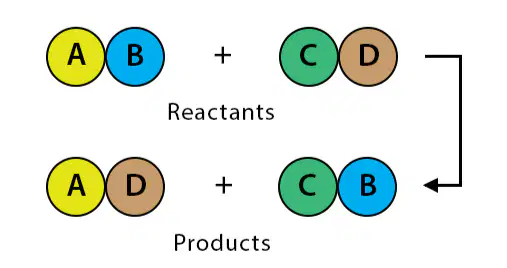
Which type of chemical reaction does this show?
Synthesis
Decomposition
Single Replacement
Double Replacement
Combustion
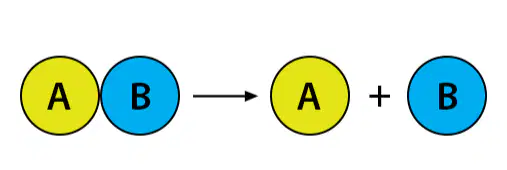
Which type of chemical reaction does this show?
Synthesis
Decomposition
Single Replacement
Double Replacement
Combustion
How would you classify Iron?
Element
Compound
Heterogeneous Mixture
Homogeneous Mixture
How would you classify salt?
Element
Compound
Heterogeneous Mixture
Homogeneous Mixture
How would you classify lemonade (with no pulp)?
Element
Compound
Heterogeneous Mixture
Homogeneous Mixture
How would you classify a bag of different types of rocks?
Element
Compound
Heterogeneous Mixture
Homogeneous Mixture
I can tell you the best way to separate a mixture!!
Yes I can!!
No I can't!!


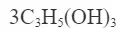
How many total atoms are in the following compound?
2
4
6
0
Left (before the reaction arrow)
Right (after the reaction arrow)
Left (before the reaction arrow)
Right (after the reaction arrow)
Why must the number of atoms on either side of the arrow be equal to each other in a chemical equation?
to abide by the law of conservation of energy
to abide by law of conservation of mass
to abide by the law of fundamental equations
because everything must be even for the universe to stay in balance


___PCl5 + ___ H2O → ___ HCl + ___H3PO4
1, 4, 5, 1
1, 1, 6, 1
1, 3, 8, 1
1, 2, 2, 1
__ Al + __FeO → __Al2O2 + __ Fe
1, 1, 1, 2
2,1,1,2
2, 2, 1, 2
2,4,1,2

