
Font size
 Worksheets
Dynamic Ecosystems
Total questions: 80
Worksheet time: 1hrs 5mins
What is the ultimate source of energy in any food chain?
the sun
producers
consumers
decomposers
Weather (such as rain) and soil conditions are considered to be part of the ____________ factors of an ecosystem.
biotic
antibiotic
abiotic
biomass
All the nonliving things in an environment are called the ________ factors.
abiotic
biotic
ecological
inorganic
What is an example of a biotic factor?
water
grass
soil

If a disease strikes the snake population in the food chain shown, what will be the initial effect on the populations of hawks and rabbits?
The populations of hawks and rabbits will decrease.
The populations of hawks and rabbits will increase.
The population of hawks will increase. The population of rabbits will decrease.
The population of hawks will decrease. The population of rabbits will increase.

In the stable food chain shown here, what would you expect to happen initially if you were to suddenly double the population of rabbits?
The populations of the other three species would also increase.
The populations of the other three species would decrease.
The grass population would decrease. The snake population and hawk population would increase.
The grass population and hawk population would decrease. The snake population would increase.

What event within the food chain might lead to the graph shown below?
A disease in the population of rabbits.
A disease in the population of snakes.
A disease in the population of hawks.
It is impossible to tell which of the above occurred.

What happened to the tree population in this forest?
The number of trees stayed the same for two years and then began to decrease.
The number of trees stayed the same for two years and then began to increase.
The number of trees decreased for two years and then stayed the same.
The number of trees increased for two years and then stayed the same.
What happens when the number of producers shrinks?
The number of consumers increase.
The number of decomposers increase.
The number of consumers decrease.
The number of producers increase.
A(n) __________ includes all living and non-living things in an environment.
population
niche
abitotic
ecosystem

A group of the same type (species) of organisms living in the same place at the same time.
threatened species
populations
community
a limiting factor
What is an ECOSYSTEM?
The highest number of things that can stay alive in an area.
All living things in an ecosystem.
An area, on land or in water, that contains living and non-living organisms which function together.
All non-living things in an ecosystem.
Something that limits the number of living things that can be in one ecosystem.
Identify the two BIOTIC factors from the list.
Bacteria
Rocks
Sunlight
Worms
Deserts, mountains, and rainforests are all examples of.....
Tundras
Ecosystems
Biotic factors
Population
One living thing. Ex. One frog, one tree, one rabbit
Population
Organism
Community
Ecosystem
Many organisms of the same species living in the same area.
Ecosystem
Community
Population
Community
All of the living and non-living parts of the environment in the same area.
Population
Community
Organism
Ecosystem
Many different types of populations living in the same area. All the living things in an area.
Community
Ecosytem
Population
Organism

In the food chain Carrots--->Rabbit--->Fox. The fox is a
Producer
First level consumer
Second level consumer
Decomposer

In the food web list all the producers.
Fox and Owl
Bird and mouse
Grasshopper and rabbit
Carrots, grasses, and grains
Which is an example of competition
A seagull eating a fish
A lion eating a water buffalo
Two hermit crabs fighting over a shell
A chicken running away from a fox
Field mice are the primary food source for horned owls in an area. Due to a drought, many field mice left the area. Which result would this drought most likely have on the horned owls?
The horned owl population will consume more field mice.
Horned owls will follow the field mice to a different area.
The horned owl population will increase in the area.
Horned owls will change to a plant-based diet.
Deer are introduced into a grassland ecosystem and their population increases considerably. If the deer population continues to grow, which is the most likely outcome for the ecosystem?
Biodiversity would decrease, and sustainability would decrease.
Biodiversity would decrease, and sustainability would increase.
Biodiversity would increase, and sustainability would increase.
Biodiversity would increase, and sustainability would decrease.
Below is an example of a simple food chain.
Acorn → Squirrel → Fox → Mountain Lion
What will most likely happen if squirrels are removed from the food chain?
The fox will eat acorns
The fox population will decrease
The trees will produce fewer acorns.
The mountain lion population will increase
Which is an abiotic factor that would affect the growth of a population within an ecosystem?
the availability of water
the availability of producers
the type of herbivores present
the number of carnivores present
Emigration is
the movement out of an area
the movement into an area
movement in and out of an area
migration
Why don't populations grow indefinitely?
limiting factors
only biotic factors
only abiotic factors
none of the above

What is the arrow pointing at?
carrying capacity
biotic potential
density-independent
density dependent

parasites, disease, predators, are examples of what type of limiting factors?
density dependent
density independent
survivorship
type 1 curve

What is the carrying capacity mean?
The number of individuals an area can carry
the number of births
The number of deaths an area has
not sure
(Im)migration is ...
the movement into an area
The movement out of an area
The migration process
exponential graph
An exponential graph is a graph that shows us population size increasing quickly, which one below shows us that


Why don't populations grow indefinitely?
limiting factors
only biotic factors
only abiotic factors
none of the above
A population is...
A group of one species in one area
Multiple species that live in one area
All of the living and nonliving things in an area
None of these
If the number of births in a population is the same as the number of deaths in a population, what will happen to the growth of the population?
It will increase.
It will decrease.
It will stay the same.
It will fluctuate.
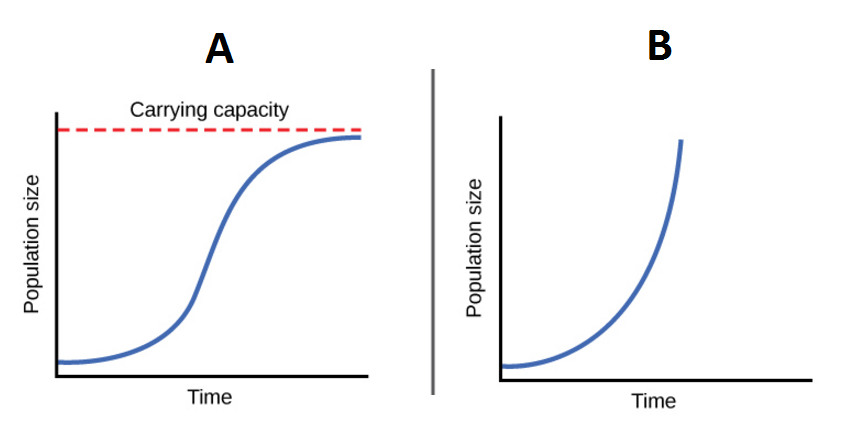
What type of growth model is shown in image B?
Exponential
Logistic
What type of growth model is shown in image A?
Exponential
Logistic
Which of the following are density dependent factors?
competition for resources
predation
disease
natural disasters
Which of the following are examples of a density independent factors?
forest fire
seasonal cycles
storms
disease
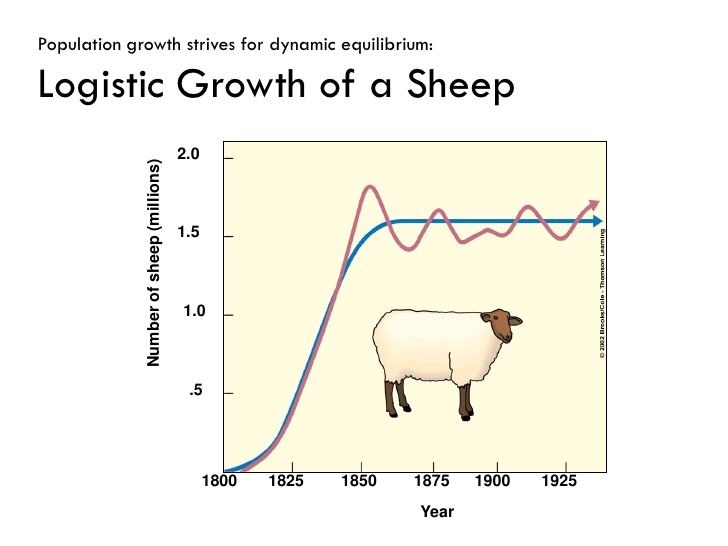
What is the carrying capacity for this sheep population?
1.8 million
1.25 million
1.6 million
1.o million

When a population grows past the ecosystem's carrying capacity, what happens to the population?
Continues to grow
The population starts to die off to return to carrying capcity
The population will go extinct due to lack of resources
The population grows then finds a new carrying capacity
Primary succession occurs in an area that has:
soil
no soil
some soil
none of these
___ are the first organisms to colonize an area and begin the process of ecological succession.
foundational organisms
introductory organisms
primary organisms
pioneer species
What is the main difference between primary and secondary ecological succession?
Primary begins WITHOUT soil; Secondary begins WITH soil
Primary is the first state and secondary is the second stage
Primary builds plant community; secondary builds animal community
Primary begins WITH soil; Secondary begins WITHOUT soil

During a forest fire most vegetation (plants) burn. Which ecological succession will take place after a forest fire?
Primary
Secondary

What is the order of succession shown in this figure?
A, B, C, D
B, A, D, C
C, D, A, B
D, A, B, C
Natural disasters such as flooding and tornadoes are linked to ________________.
primary
secondary
old field
ecosystem

What is the difference between primary and secondary succession?
Primary succession already has soil.
Primary has soil and secondary does not
soil is present in both
primary has no soil and secondary has soil

A large tree forest is an example of ...
a small community
a abiotic community
a climax community
a pioneer species
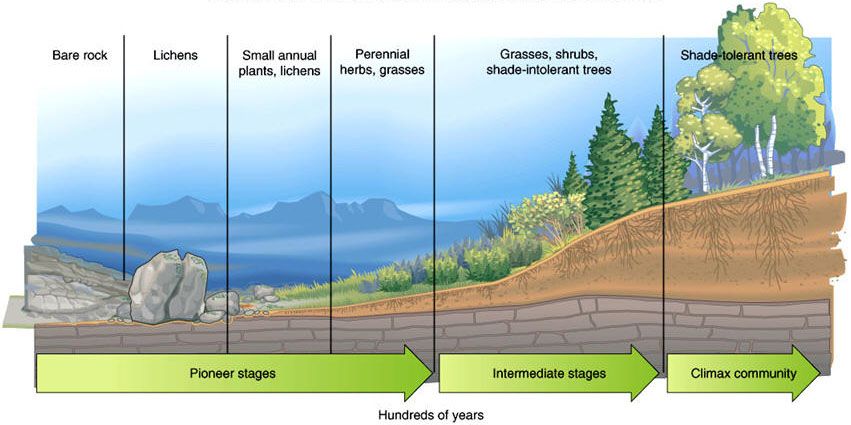
The picture shows what type of succession?
primary
secondary
tertiary
quadanary
How is commensalism different from mutualism?
In commensalism, one species benefits while the other is unharmed; in mutualism, both species benefit
In commensalism, one species is harmed while the other benefits; in mutualism, both species benefit
In commensalism, neither species is harmed; in mutualism, one species is harmed
In commensalism, both species benefit; in mutualism, one species is harmed
When a honeybee pollinates flowers, the bee gets access to nectar, while the flowers gain the chance to reproduce. This is an example of:
Amensalism
Commensalism
Parasitism
Mutualism
Remoras are fish that swim alongside sharks, eating scraps that the sharks leave behind. This is an example of:
Amensalism
Commensalism
Parasitism
Mutualism

Barnacles create home sites by attaching themselves to whales. This relationship neither harms nor benefits the whales.
parasitism
commensalism
mutualism

Yucca flowers are pollinated by yucca moths. The moths lay their eggs in the flowers where the larvae hatch and eat some of the developing seeds. Both species benefit.
parasitism
commensalism
mutualism

Mistletoe extracts water and nutrients from a spruce tree. The spruce tree is harmed.
parasitism
commensalism
mutualism

Which of the following shows the symbiotic relationship between the Rodent and the Bird?
Mutualism
Commensalism
Competition

a relationship that occurs when two or more organims of the same species need the same resource at the same time
competition
symbiosis
predation

A coyote captures, kills, and eats a rabbit. What type of symbiotic relationship is this?
mutualism
commensalism
parasitism
predation

What does biodiversity mean?
Only one species in an area.
The different amount of species in an area
All abiotic life
Nitrogen fixation

What happened to the wolf population between 1980 and 1982?
it increased rapidly
it decreased rapidly
If a keystone species is removed from an ecosystem, would you predict the ecosystem's biodiversity to increase or decrease?
INCREASE
DECREASE
There would be no change.
Species A hunts, attacks, and kills Species B for the purpose of eating Species B.
Before Species A is able to eat Species B, Species C chases off Species A.
Species A runs away from Species C without any physical injuries.
Species C then eats Species B.
Which type of symbiotic relationship do Species A and Species C share?
mutualism
commensalism
parasitims
All answer choices are correct.
Species that are clearly critical to the functioning of an ecosystem are known as
biodiversity
keystone species
main species
native species

How do biodiversity and sustainability work together?
The lower the biodiversity the greater the sustainability.
The higher the biodiversity, the less sustainable the ecosystem
The higher the biodiversity, the greater the sustainability.
Biodiversity has nothing to do with sustainability.

High biodiversity is
having a lot of the same organism.
having a few of the same organism.
having a lot of variety of different organisms.
only having one of each organism.
A stable ecosystem typically has high biodiversity.
True
False

What is the difference between biotic and abiotic?
Biotic are non-living things
Abiotic are living organisms
Biotic is life,
Abiotic is non-living
Biotic is non-living, Abiotic is living
What is a keystone species?
A keystone isn't a living thing, it's just a stone
Keys and stones have nothing to do with ecology
A species that lives in or around rocks
A species that helps to hold an ecosystem together
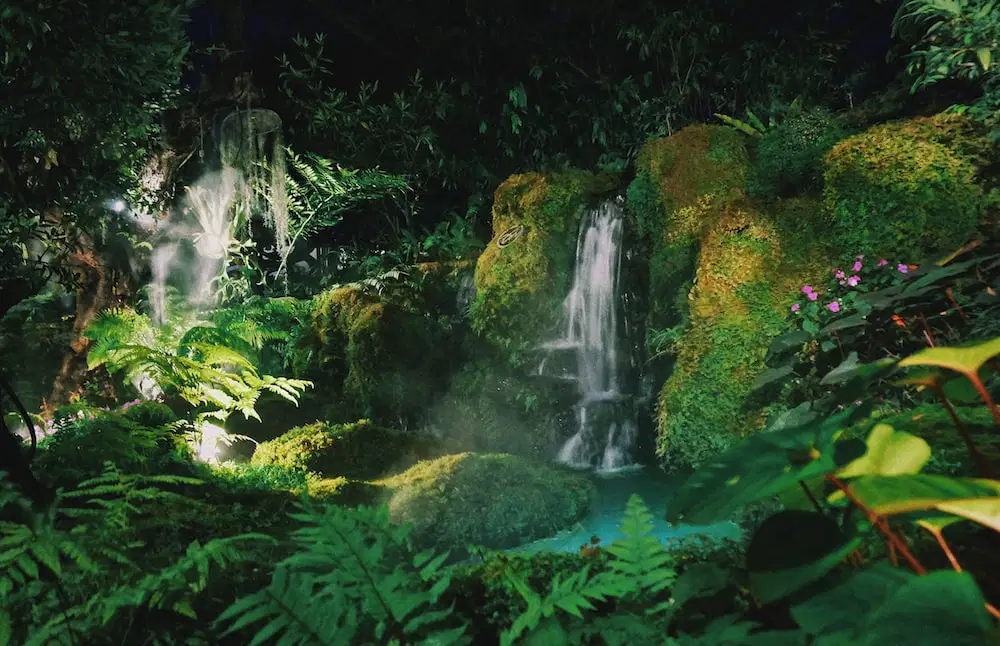
(a) is a major key for biodiversity.
A rabbit population in a grassland ecosystem is kept well below carrying capacity by its primary predator, the coyote. A disease causes a decrease in the coyote population. A biologist will study how the disease affects the coyotes and rabbits. He hypothesizes that if the coyote population continues to decrease, then the rabbit population will increase. Which of these is a dependent variable in this study?
The grassland ecosystem
The rabbit population
The introduction of the disease
The amount of autotrophs
Runoff from fertilizer and livestock waste can add to the __________ of a pond.
carrying capacity
eutrophication
limiting factors
population crash
What happens if a population grows past its carrying capacity?
The population keeps growing
The population reduces untl it is below carrying capacity again
The entire species will go extinct
The carrying capacity just increases

Which organism do the owl and the weasel compete for in the food web?
Hawk
Spider
Grasshopper
Shrew

Which two organisms in this food web are COMPETING for food with each other?
Cougar and Deer
Rabbit and Snake
Insects and Grass
Shrew and Mouse

If the secondary consumer level has 2,000 kcal available to it, how much energy was captured by the producers during photosynthesis?
2 kcal
200 kcal
200,000 kcal
2,000 kcal
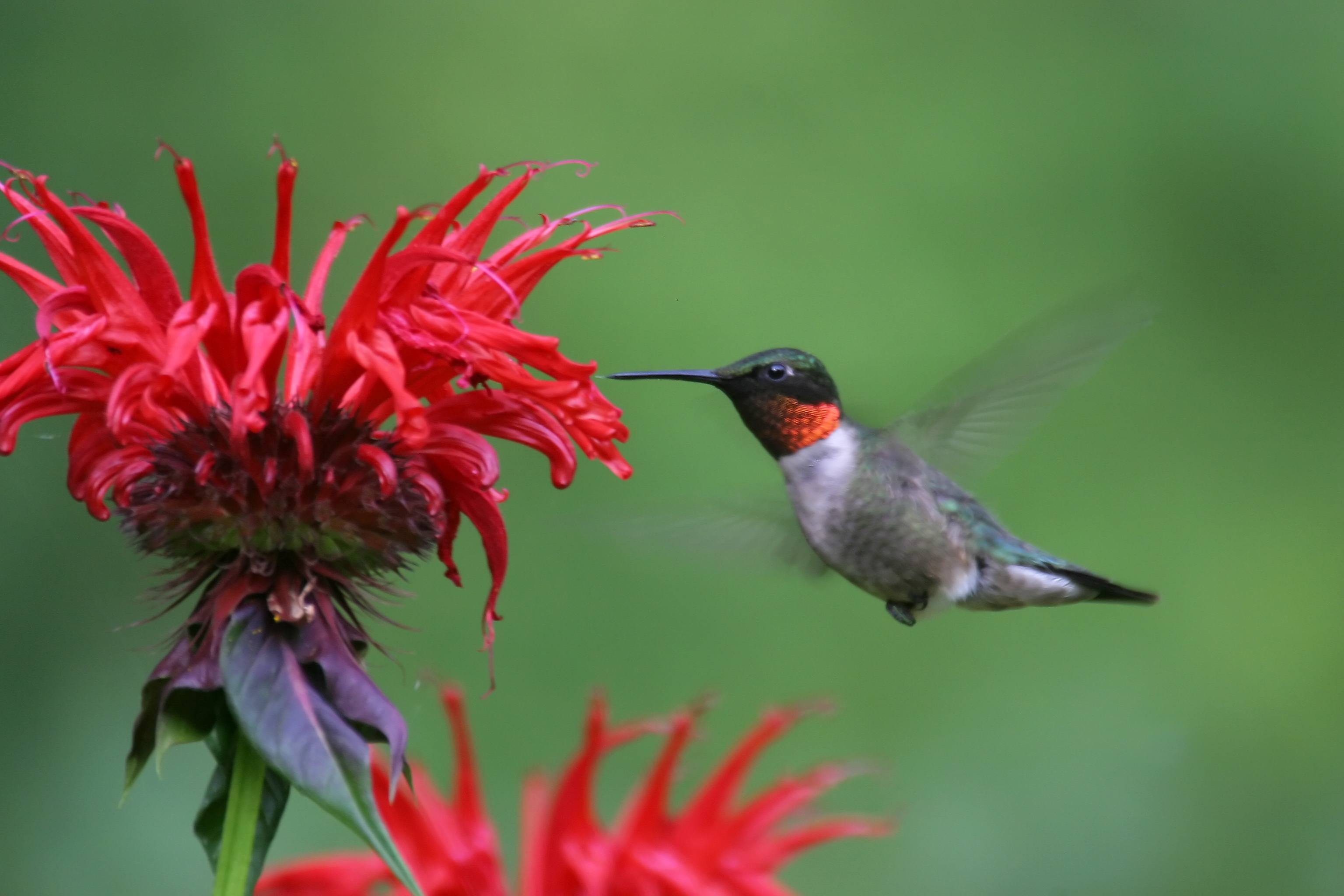
What type of symbiosis? Hummingbirds feed on nectar from flowers. The flowers are pollinated by hummingbirds as they move from flower to flower.
commensalism
mutualism
parasitism
predation

Which is an example of parasitism?
Shark and seal
Flea and dog
Deer and grass
Seagull and fish

What is the carrying capacity of the following graph?
1000
8000
800
600
A symbiotic relationship in which BOTH partners benefit.
commensalism
mutualism
parasitism

