
Font size
 Worksheets
Review for Unit Test on March 7, 2023
Total questions: 75
Worksheet time: 1hrs 6mins

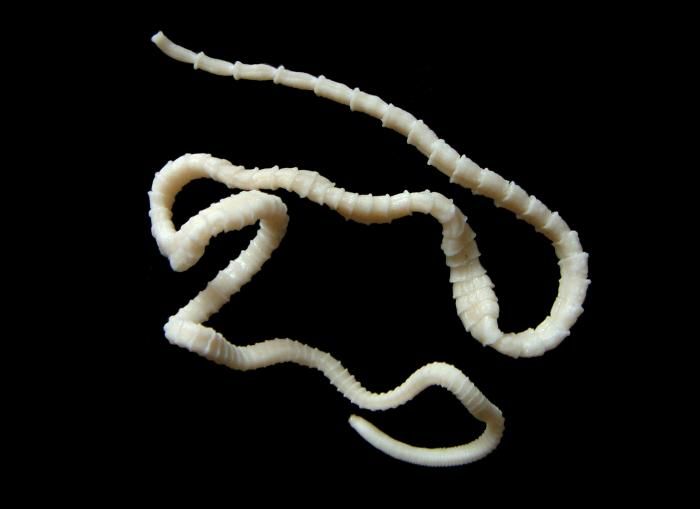
A tapeworm lives in the intestine of a cat absorbing nutrients through its skin. A tapeworm and a cat have this type of relationship.
mutualism
parasitism
commensalism
competition
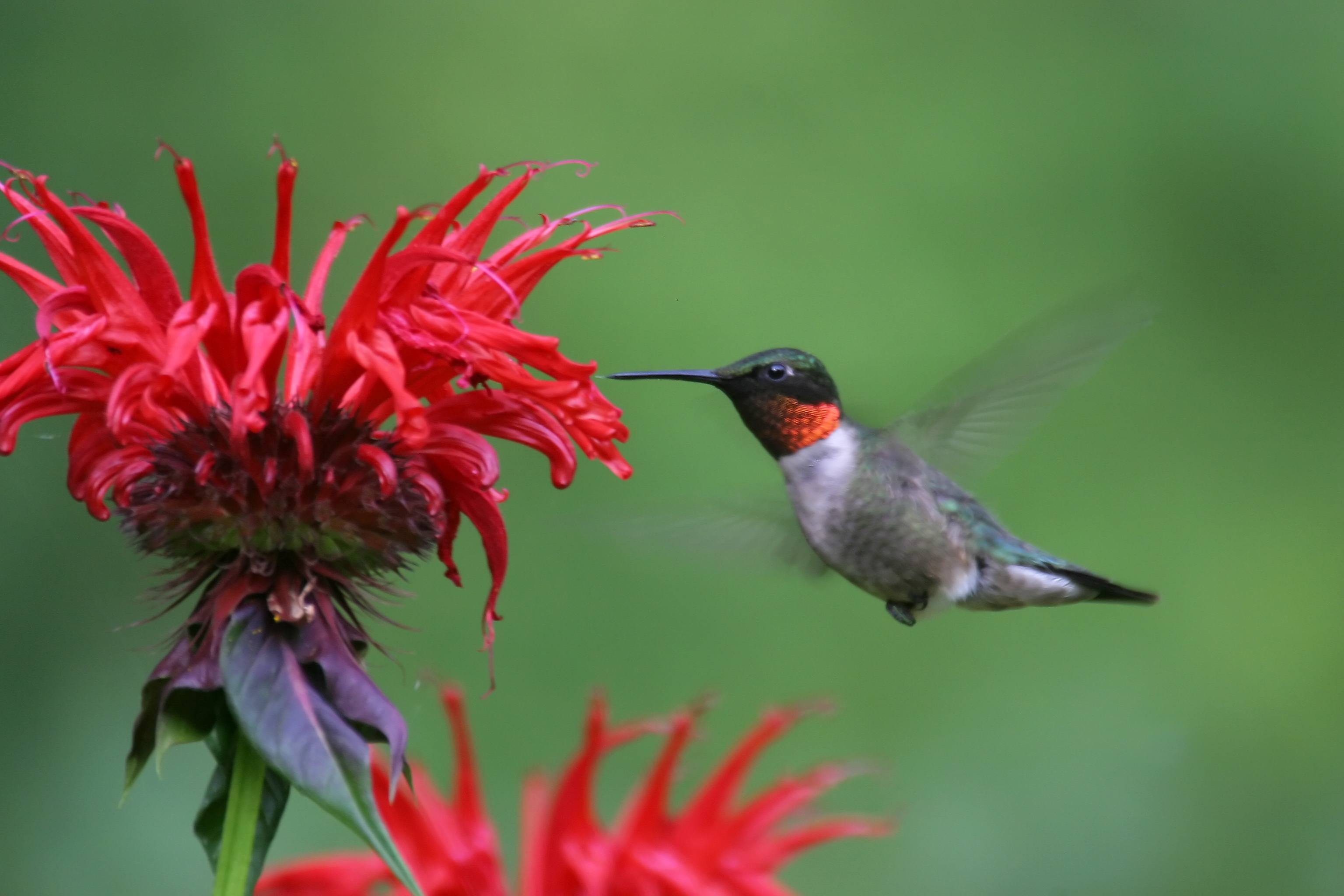
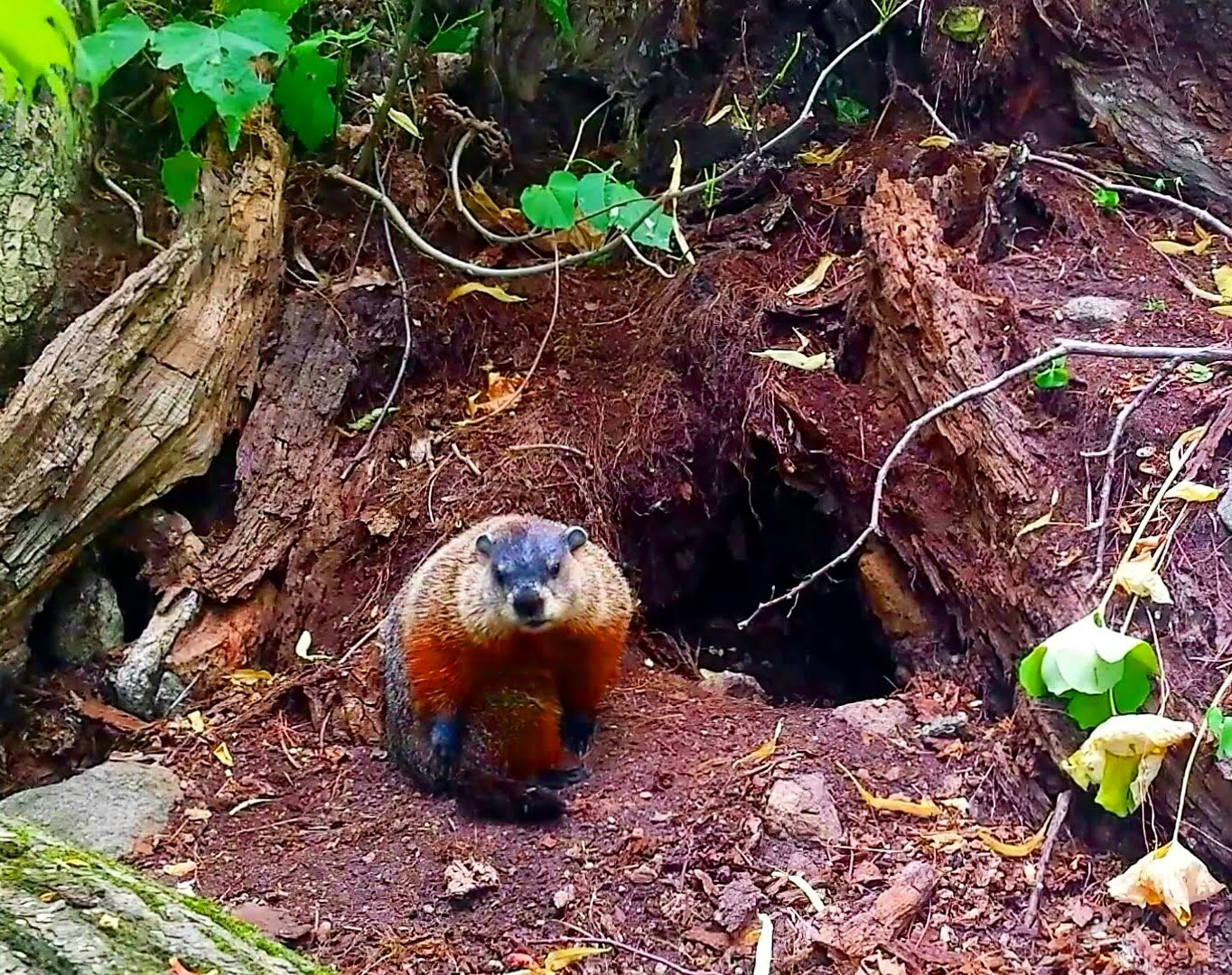
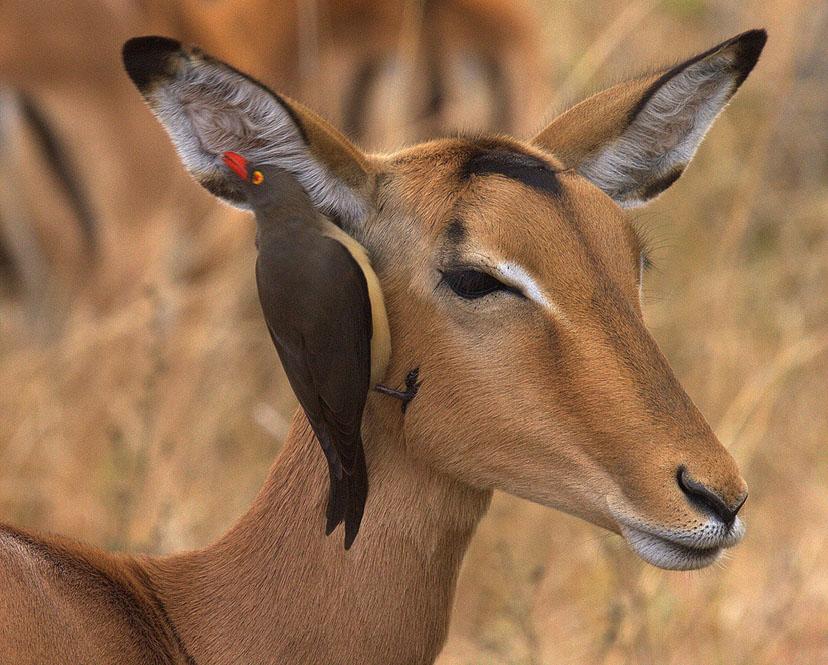
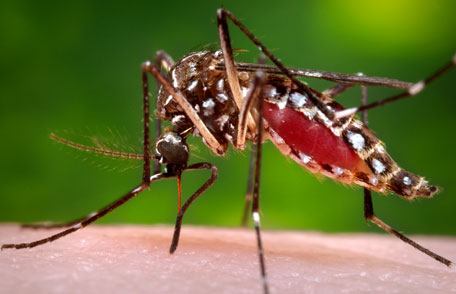

Aphids are tiny insects that live on and eat the leaves of plants, removing vital nutrients from the plants.
Predation
Parasitism
Commensalism
Mutualism

Mockingbirds will push the eggs out of a blue bird's nest and use the nest for it's own babies illustrating...
commensalism
parasitism
mutualism
predation

Clown fish live among anemones, acting as a lure for the sea anemone's prey. The clown fish get protection and shelter from the anemone. This is an example of which type of symbiosis?
Commensalism
Mutualism
Parasitism

A bee and a flower work together to benefit each other. This is an example of a ______. The bee helps the flower by pollinating it and the flower helps the bee by providing it with nectar.
commensalistic relationship
parasitic relationship
mutualistic relationship

Hookworms enter the human body by burrowing into the skin of the feet. Once in the skin, they enter the bloodstream and travel to the small intestine where they attach to the walls and begin to drink the person's blood and weaken the victim.
mutualism
commensalism
parasitism

Lichens are close associations of fungi and algae. The fungi hold the water supply and the algae perform photosynthesis to manufacture carbohydrates for both organisms.
mutualism
commensalism
parasitism

In the jungles of South America lives a thorn tree call an acacia. A species of ant eats secretions of the acacia, drinks its sap, and raises its young in the hollow thorns. The ants also keep competing vines from growing near the acacia tree and they help repel any insects that would damage the acacia tree.
mutualism
commensalism
parasitism

True or False: Biodiversity is extremely important and keeps the ecosystems of the Earth balanced and functioning properly.
TRUE
FALSE

Which statement best describes an example of low species diversity?
A population of frogs has a wide variety of skin colors
A marsh ecosystem is covered by a single species of cattail bulrushes
A state park includes multiple forest, wetland, and freshwater ecosystems

Which of the following are factors that affect biodiversity?
Climate
Poaching
Pollution
Area
Niche Diversity
2) A species that influences the survival of many other species in an ecosystem is called a(n)
niche species.
extinct species.
keystone species.
endangered species.
Which of the following is not a threat to biodiversity?
Habitat loss
Pollution
Introducing non-native species
Planting gardens in city centers


Biodiversity is important to keep an area (biome) healthy. In this example "Food Web A" is sustainable. Why is sustainability important for an ecosystem in "Food Web A".
If one organism is removed the food web can still operate (work) with little or no negative effect.
If an organism is removed the food web will collapse and will affect the environment.
Gradual, natural change in an ecosystem over time:
Succession
Movement
Evolution
Change
After a volcano destroys the land, ________________ succession takes place.
Secondary
Primary
Tertiary
Important
The first species to live in a land, after destruction, are:
Oregon Trail species
Primary consumers
Pioneer species
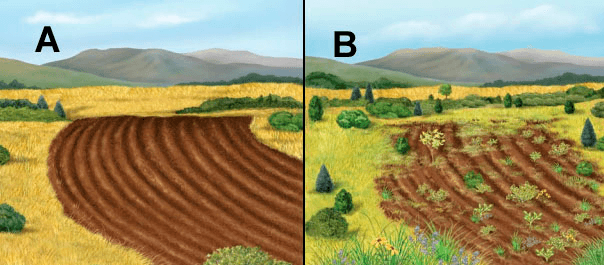
A pattern of change after existing ecosystem is destroyed, such as clearing for farming.
Evolution
Secondary Succession
Primary Succession
Primary succession takes ____________ time than secondary succession.
More
Less
Same
A new island is formed after a volcano erupts.
What is the order that things would grow?
Tree, grass, moss
Lichen, Grass, Shrub, Tree
Lichen, Shrub, Moss, Tree
Shrub, grass, moss, tree
What type of organism would typically grow on bare rock?
Moss and lichen
Grass
Oak trees
Shrubs
Would an oak tree be one of the first or last species to grow?
First
Last
What animals would be first to enter a new ecosystem?
Insects
Bears
Foxes
Elk

What succession is represented in the photo
Primary Succession
Secondary Succession
The end of a succession resulting in a stabilized community such as a desert, rainforest, prairie.
climax community
primary succession
secondary succession
ecological succession

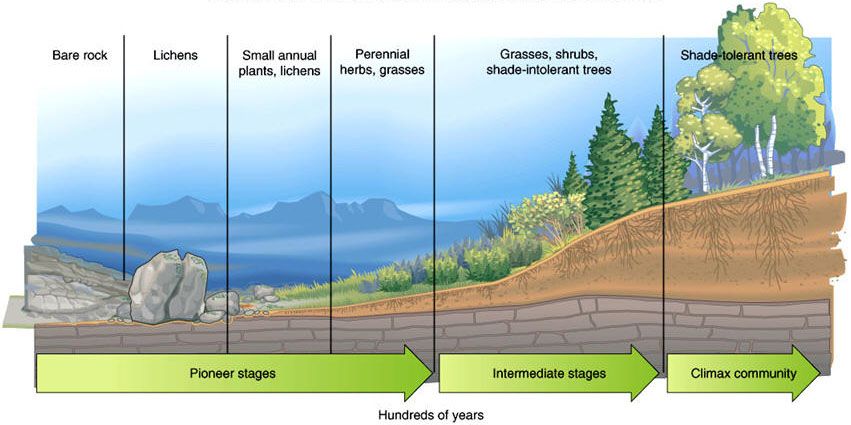


Which diagram best represents a climax community?
Picture A
Picture B
Picture C
Picture D
What is an invasive species?
An organism that is new to an environment that has positive effects on the environment.
An organism that is native to an environment that has negative effects on the environment.
An organism that is new to an environment that has negative effects on the environment.
An organism that is native to an environment that has positive effects on the environment.
Invasive species can have a major impact on the ecosystem.
TRUE
FALSE
Invasive species alter the ecosystem by ______ in number quickly. This leads to ______ food for the native species.
increasing, less
increasing, more
decreasing, less
decreasing, more

A relationship that occurs when two or more organisms of the same species need the same resource at the same time
competition
symbiosis
predation

mutualism
commensalism
predator/prey
parasitsm

A top predator from the food web is a
white egret (bird)
frog
spider
insect
A niche is ________________.
The biotic and abiotic factors in an ecosystem.
The roll we had with our meal.
The habitat of an organism.
The role (job) of an organism in an ecosystem.


Which of the following are Non-Renewable energy resources? (Check all that apply.)
coal
wind
solar
nuclear

Renewable or Nonrenewable: Coal
Renewable
Nonrenewable

Renewable or Nonrenewable: Oil
Nonrenewable
Renewable

Renewable or Nonrenewable: Sunlight
Renewable
Nonrenewable

Renewable or Nonrenewable: Water
Nonrenewable
Renewable
What is a natural resource?
Material from the Earth that people use for their needs.
A place hidden in the mountains.
An object made from natural things.
__________ is an energy resource that WILL NOT run out in the next several hundred years.
Renewable Energy Resource
Non-Renewable Energy Resource
__________ is an energy resource that WILL run out in the next several hundred years.
Renewable Energy Resource
Non-renewable Energy Resource

A species that plays a critical role in the health, maintenance, growth, or definition of an ecosystem.
keystone
invasive
engineer
predator

Many common products, such as wooden furniture, paper, and books, are made from trees. Which of the following is a likely consequence of humans cutting down a forest in order to make use of the natural resources there?
the decrease of chemical runoff into the oceans
increased acid rain
the destruction of habitats

The process of a species disappearing forever.
Pollution
Resource
Contaminant
Extinction

____________ is the number of different species of plants and animals in an area.
Per capita
Address
Biology
Biodiversity

What environmental problem can you detect in the picture?
produce fumes
volunteer to plant trees.
deforestation.
An example of habitat destruction is
planting trees
cleaning up oil spills
clearing a tropical rainforest
preventing nonpoint-source pollution

A natural resource that can be replaced at the same rate at which it is consumed is a
biodegradable resource
renewable resource
nonrenewable resource

A natural resource that forms slower than the rate at which it is consumed by humans.
biodiversity
renewable resource
nonrenewable resource
Which of the following can cause pollution?
noise
garbage
chemicals
all of the above


Increasing the amount of greenhouse gasses in the atmosphere will cause global temperatures to
Increase
Decrease
Stay the same
This human activity is indirectly responsible for all other human impacts on Earth.
overpopulation
global warming
water pollution
air pollution
This is caused by chemicals (CFCs) released into the air and breaking down the atmosphere.
ozone depletion
acid rain
biogeochemical cycling
atmospheric poisoning
What is wrong with introducing non-native species to an area?
they can take over the habitat of natural species
they hunt and eat the natural species
they are too large to survive in the area
nothing, they help by adding new prey
The reason we don't run out of resources like carbon, oxygen, and water is because
there is plenty available on Earth
we have enough now, but we will run out in the future
they bond with each other to create more
they are cycled through ecosystems

